I was a little on the fence about whether I wanted to write a full review of this one. We Called Them Giants is a short read, and probably not one that’s going to top my list of 2026 reads. However, it’s pretty widely disliked. I understand why, but I think dissenting opinions are always more interesting and useful to write about!
I think it’s impossible to talk about this one without spoilers for the ending, so I’ll break some of my normal rules for this review.
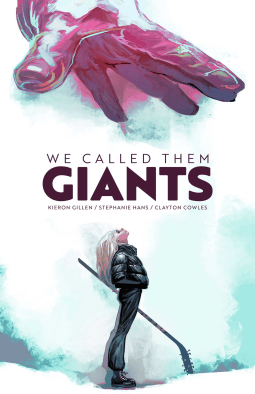
The Premise: Humans have almost all vanished, and nobody knows why. Lori’s used to people abandoning her, but she can’t rely on herself during the apocalypse. When she and her travelling companion meet the alien creatures who presumably caused all of this, they aren’t sure if they should fight, run, or try to talk.
Read if You Like: lush & saturated visuals, mistrust during the apocalypse, aliens that feel alien
Avoid if You Dislike: endings without closure, books that could have been far longer
… and not in a romantic way, either. It’s just slowwwwww and an absolute fucking delight. This is one of the more popular Royal Road stories out there, and it has kept me grounded during the past two months of craziness! This is what I’m staying up at night reading. I dove back in as a distraction, rereading from the beginning, only to decide I was going to keep going … and going … and going. Now that I am caught up with this serial, here’s my sales pitch.
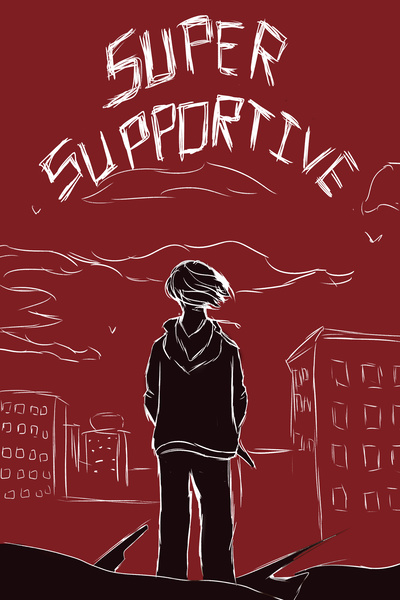
The Premise: Alien wizards have made a contract with Earth: we give you superpowers in exchange for being able to summon (and generously pay) said superhumans for various services, including hunting demons, cooking a formal meal, or dressing up as a mythological figure and serving cocktails. Anyways, Alden thorn is a kid whose parents were killed by a supervillain. So when he’s chosen, he wants to be a support hero focused on preventing collateral damage.
Read if You Like: slow burns, intense platonic friendships, lovable characters, explorations of mental health, light Video Game elements
Avoid if You Dislike: a single day to span several dozen chapters, tonal shifts between intense existential dread and lighthearted action slice-of-life
There are only 2 novellas that I hadn’t yet read from the 2026 Hugo Nomination slate. I know I’m not interested in Vernon’s offering (though part of that might simply be exhaustion at her getting nominated every year), but had wanted to read Automatic Noodle before the awards were announced. In the end, this was a fairly disappointing slate of Novellas. My pick was Cinder House, which I authentically enjoyed. I was happy to see it on the shortlist, but am still not sure if I consider it Award-Winner material. Automatic Noodle, like the rest of the lot, has some areas I see as significant flaws. However, it’s not the style of book that I would have ever put forward as a nominee, so perhaps I’m judging it on criteria that don’t really fit. It’s great chill pick for someone looking for something quirky, knowing that it isn’t going to be an emotional rollercoaster.
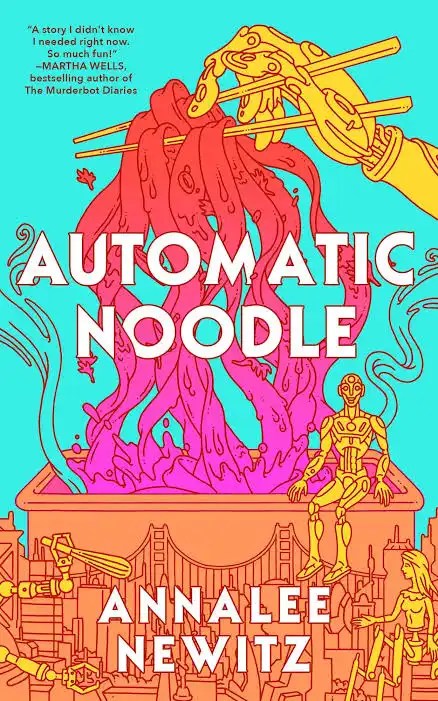
The Premise: Four robots wake up to find their company has absconded to the United States (California is its own country now), threatening their already dubious freedom. They decide to open a a hand-pulled noodle restaurant, despite robot corporate ownership being very illegal.
Read if You Like: allegories for otherness, weird futuristic worlds, stories with personal stakes
Avoid if You Dislike: robots that feel like humans, heavy-handed themes
It’s unfair of me to claim that Fungi are having a moment right now, considering some of the oddly high amount of mushroom content came from books half a decade old, or my tabletop group’s year long campaign dedicated to them elevating their fungal deity to ascendency. However, I do feel like I’m seeing mushrooms around more the past year or two. Maybe it’s because The Last of Us show was such a hit?
Anyways, I thought this one was serviceable. Great mushroom content, but that’s about the only thing I can recommend the story on. I think there’s a New Weird reinterpretation of The Handmaid’s Tale out there for me to love, but this one didn’t hit the notes I needed it to.
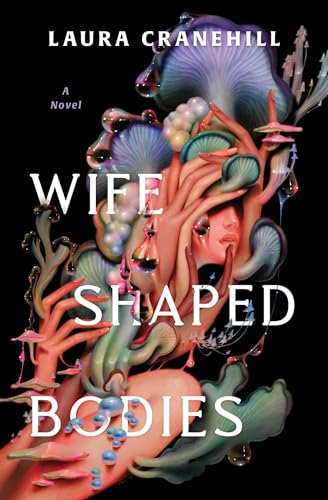
The Premise: Nicole’s mother just died, and it is her wedding day. She hasn’t left her house … ever. And now she must obey the whims of a man she has never met. While living in his home, she becomes connected with the mysterious Teagan, whom she as long admired from afar.
Read if You Like: ambiguity on bodies, weird science, disturbing sex scenes
Avoid if You Dislike: mushrooms; extensive depictions of marital abuse, sexual assault, and pregnancy (amongst other things)
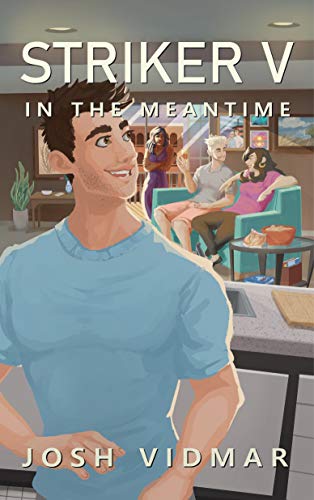
This is a sequel to Striker V: Elements of Change, which I enjoyed as a a great innovation on an enjoyable but played-out superhero formula. This book stays that course, and I think most people will have a similar reaction to both. Technically, this collection could probably be read as a standalone, but Vidmar doesn’t give a ton of backstory/context that would help ground readers. I also thought Elements of Change was the stronger book overall, despite this entry having more consistent high points throughout the book.
The Premise: This collection of stories and novellas follows various characters from the first Striker V book. They range from mundane conversations full of found family to stories with a more traditional superhero action focus.
Read if You Like: the humanity of superhumans, slice-of-life elements, bittersweet resolutions
Avoid if You Dislike: superhero stories, combat to be the primary driver of plot, mediocre combat scenes
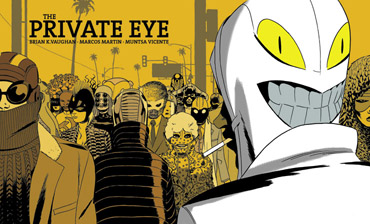
I picked up Private Eye as a text for the Queer Comics elective that I get to teach when student interest is high enough. While there are plenty of breakout hits in that space, I also force students to expose themselves to a broad variety of stories for our independent exploration units. This was one of the few queer noir comics I’d heard about. It was fun and irreverent, great for helping me manage stress at the start of the school year – probably a running theme in my reviews in the next month or so. Unfortunately, and unfairly, I kept comparing this to Watchmen, and it just isn’t on the same level as the greats in the comic space.
The Premise: a private investigator in a world where masks and pseudonyms are part of everyday life sees his most recent client brutally murdered. Now, the target is on his back as both a suspect of her death and as a mysterious criminal seeks to tie up loose ends.
Read if You Like: weird imaginings of humanity’s future, dynamic characterization (in writing and art), stories that push a little bit on the edges of absurdity
Avoid if You Dislike: classic noir structures, books without a ton of thematic heft, ambiguous endings
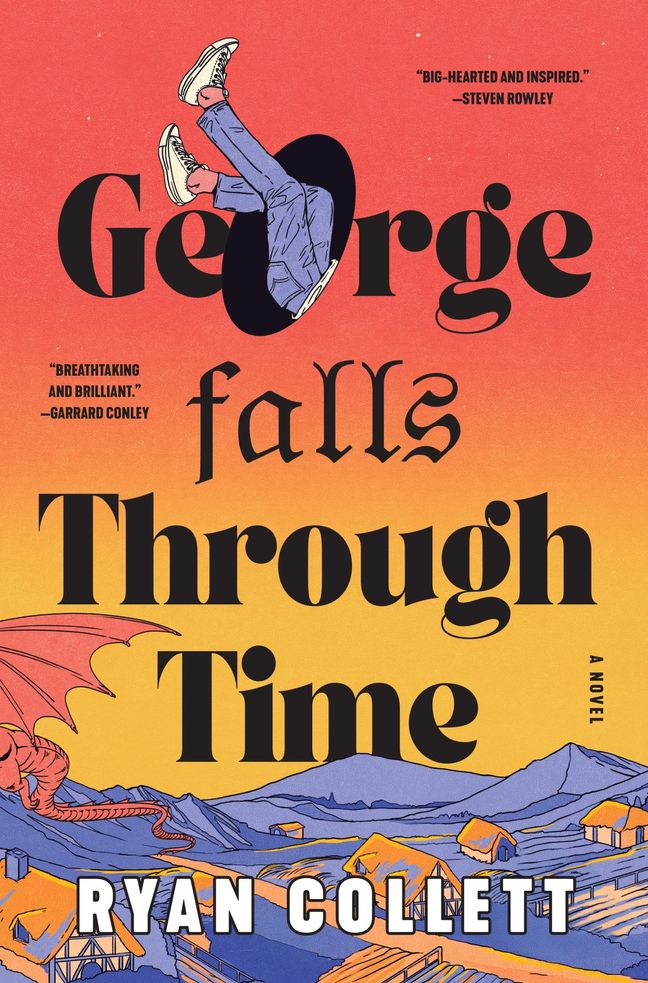
When I was browsing new releases in January, I passed over George Falls Through Time; admittedly this was mostly because the publisher dropped Ministry of Time as a comp title. I despised … pretty much everything about that book, and it’s gotten worse with time. Thankfully, this got put back on my radar via being pitched to me as an ‘interior existential fuckshit novel’ which is right up my alley. It’s the type of controversial book that is executed well enough to cater to very specific tastes, meaning that most people who picked this up hated it. Honestly, this is likely going this year’s biggest gap (other than DNFs) between my rating of a book and the general consensus.
And honestly, I blame the marketing. It’s pitched as “A confessional queer romance, a swords-and-sorcery soap opera” … which is missing everything this book is trying to do. It is a glorious train wreck in slow motion. This is not a fun book full of whimsy and romance with a historical serf trying to find his freedom (well, there is that, but not like you’re thinking). Instead, this book is the hollowness that comes when when you fixate on the pointlessness of life, the artificiality of all human connection, and the lack of agency over your own destiny. It is cyclical and frustrating and uncomfortably real.
No matter how conflicted (in a good way) I feel about this book, the sign that this review is looking to be one of my longest is a sign that this novel had lots of interesting things to say.
The Premise: George has lost his job, his boyfriend left him, he has no sense of meaning in life, and now walks dogs. When two run away and things spiral out of control, he ends up falling into 1300s England. Honestly, this was probably the best thing that could have possibly happened. There’s some business with a dragon, but the book is really about George’s internal journey to find meaning in life.
Read if You Like: intense depictions of depression, speculative fiction character studies, the power of a quiet life, simple vocabulary arranged intentionally
Avoid if You Dislike: time travel light on historical detail, books that de-emphasize traditional plot structures, characters (and romances) that are hard to cheer for
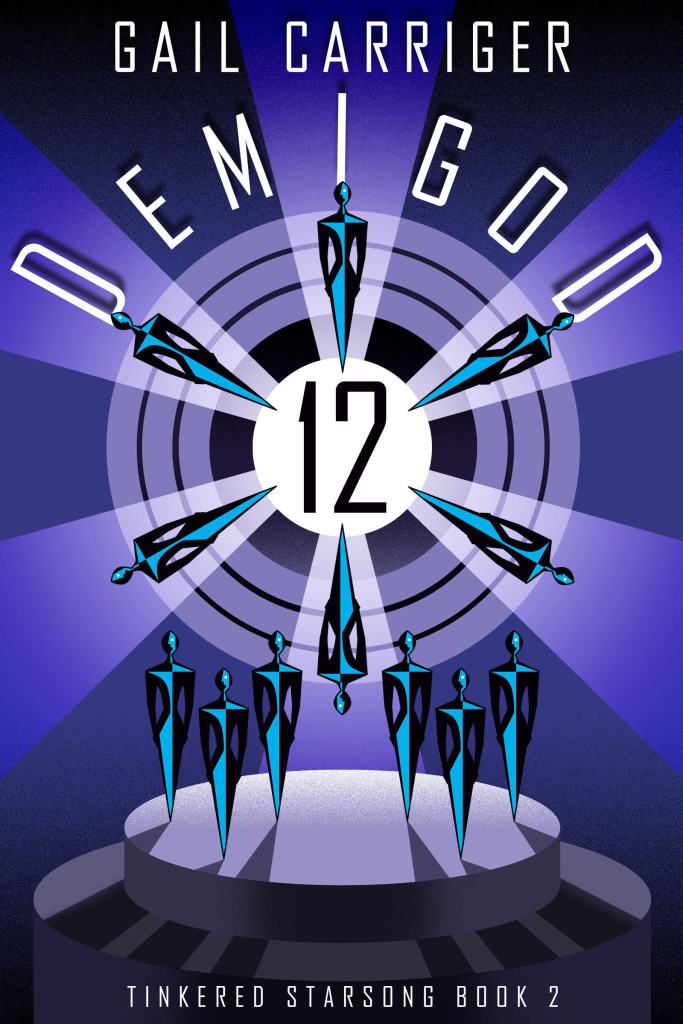
Earlier this year, I fell in love with the slice of life Intergalactic Idol boot camp that was Divinity 36. With my push to actually continue reading the series that I’ve been enjoying – instead of leaving everything abandoned at book 1 – I picked up this audiobook for some long car rides to and from a cabin weekend. While it didn’t quite have the magic of Divinity 36, I had a great time with it and will totally and definitely finish the series this year … probably … assuming I don’t get distracted.
The Premise: This book picks up with Phex and company going on tour as the opener for Tillum, the universe’s most popular Pantheon. Phex needs to balance the needs of both Pantheons with his growing feelings for superstar Missit, in a job where romantic and physical love are forbidden.
Read if You Like: the dangers of parasocial relationships, angst and yearning, the lack of agency in idol culture
Avoid if You Dislike: ‘how could he possibly love me’, protagonists without real flaws, grumpy/sunshine pairings
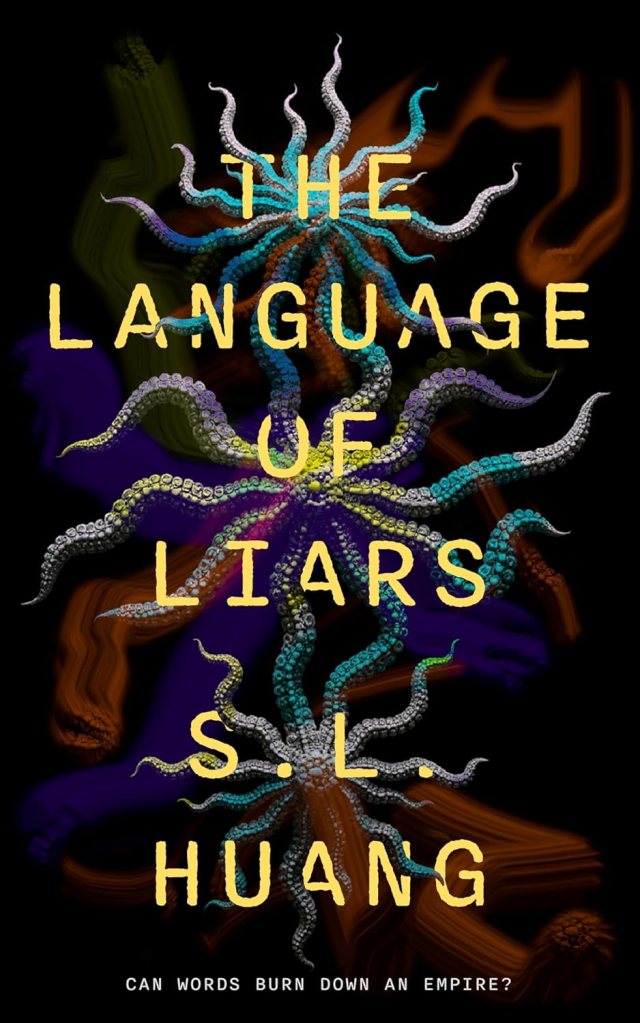
This book has all of the elements that typically appeal to me: it’s a novella, engages with questions of linguistics and ethics, and it asks the reader to be uncomfortable. The Language of Liars blew me out of the water. The opening sections left me with the feeling that this would be a good book, worth reading and recommending, but it got better and better. Every chapter sucked me in a little bit more until I sat in bed, story finished, thinking about the ending and its implications. I was not super enthralled by the 2025 novella nominations from most major awards. The Language of Liars has the right blend of thematic ambition, accessible writing, and the backing of a traditional publisher that make it an excellent candidate, and I will be happily advocating for it to make some waves on the awards circuit this year. To anyone who likes their stories to shine a mirror on our world without being too obvious about it, this is for you. There’s enough here for me to happily teach this novella in my Genre Fiction elective, and I’m desperately hoping one of the book clubs I participate in picks it up, because there’s so much to talk about from the last few chapters.
Really, truly an excellent piece of writing. Plus, the book is short and straightforward enough that the content-to-time-investment ratio is one of the best I’ve read this year.
The Premise: Ro is a talented linguist, hoping to be the first in generations of his species to jump into another’s body. He succeeds, possessing a Star Eater who, like all of their race, mine the cosmic space dust necessary for faster than light travel. He has been trained for this moment, hoping to gather the information and skills needed to save the slow death of the universe’s society, which depends on the service (exploitation?) of the enigmatic aliens.
Read if You Like: autism-coded characters, uncomfortable questions about how you (the reader) live life, musings on linguistics
Avoid if You Dislike: straightforward prose, lack of clear solutions to problems, monolithic intergalactic governments
Short Fiction anthologies generally don’t get much mainstream traction. Most genre fiction readers, myself included, tend to not pick them up. I never read them until I started participating in r/Fantasy’s bingo challenge and discovered that they can be really incredible. If We Cannot Go at the Speed of Light had been getting mentions in both genre fiction and short form circles. It’s a translated work from Korean, and I’m trying to read more work not published in English, admittedly in a very unfocused way. This collection won’t rank in my favorites, but I think people who are more ardent science fiction fans will enjoy it, while people who primarily see themselves as fantasy people – like me – may resonate less with it.
Broad Overview: This anthology of science fiction is thematically focused on belonging and personal connections in a world that is set up to push people apart. Oddly, it has an emotionally distant style. The closest analogues in English are some of the older science fiction writing that cared more about exploring an interesting premise than the modern conception of stories and characters. This didn’t necessarily work the best for me, despite plenty of interesting ideas that Cho-yeop dove into. Unlike the older US sci fi, there isn’t a consistent desire for the technology or aliens to be realistic and intricately detailed. Instead, Cho-yeop seems more interested in presenting ideas and their ripple effects rather than exploring the underlying logic supporting the technology and biology that each story focuses on.