I was a little on the fence about whether I wanted to write a full review of this one. We Called Them Giants is a short read, and probably not one that’s going to top my list of 2026 reads. However, it’s pretty widely disliked. I understand why, but I think dissenting opinions are always more interesting and useful to write about!
I think it’s impossible to talk about this one without spoilers for the ending, so I’ll break some of my normal rules for this review.
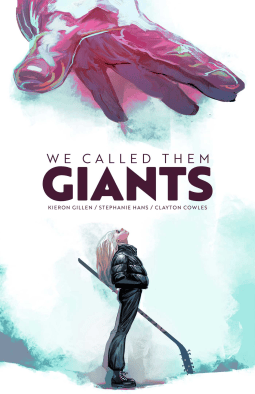
The Premise: Humans have almost all vanished, and nobody knows why. Lori’s used to people abandoning her, but she can’t rely on herself during the apocalypse. When she and her travelling companion meet the alien creatures who presumably caused all of this, they aren’t sure if they should fight, run, or try to talk.
Read if You Like: lush & saturated visuals, mistrust during the apocalypse, aliens that feel alien
Avoid if You Dislike: endings without closure, books that could have been far longer
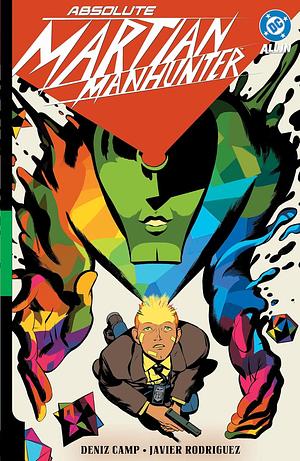
I’m … well I’m not sure. This comic was pretty widely regarded as one of the best releases in 2025, won a bundle of Eisner awards (mostly for the art of Javier Rodriguez, but it also won Best Limited Series). It felt right that this was my first foray into DC’s new Absolute line. It’s well worth the read for the page count, but I’ll need to finish the series to see if it can stick the landing. What I saw here wasn’t quite enough to cement it into my favorites list.
The Premise: FBI Agent John Jones has been seeing things, reading minds, and all sorts of other strange phenomenon. As his personal life begins to fall apart, his work is consumed by more and more bizarre crimes. Middletown is beset by synchronized arson, widespread impulsive violence, and people lacing hamburgers with glass. At its heart is the White Martian, who seeks to bring an end to earth. And John hosts the Green Martian, who seeks to protect it.
Read if You Like: experimental art, metaphorical warfare, eldritch investigations, light horror elements
Avoid if You Dislike: cohesive plots, unhealthy marriages, emotionally detached characters
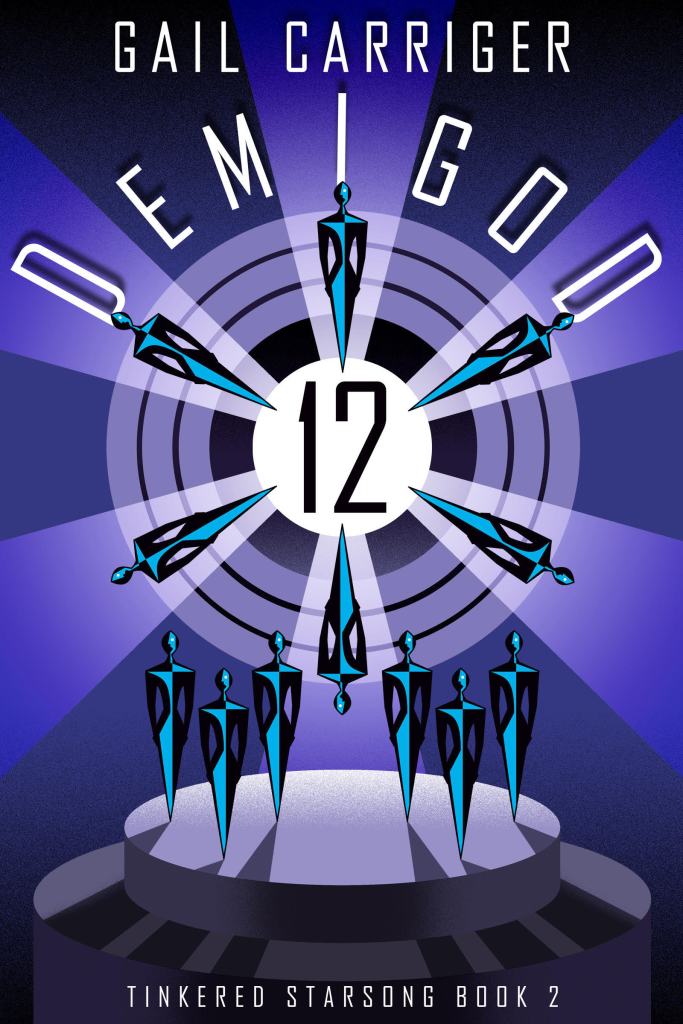
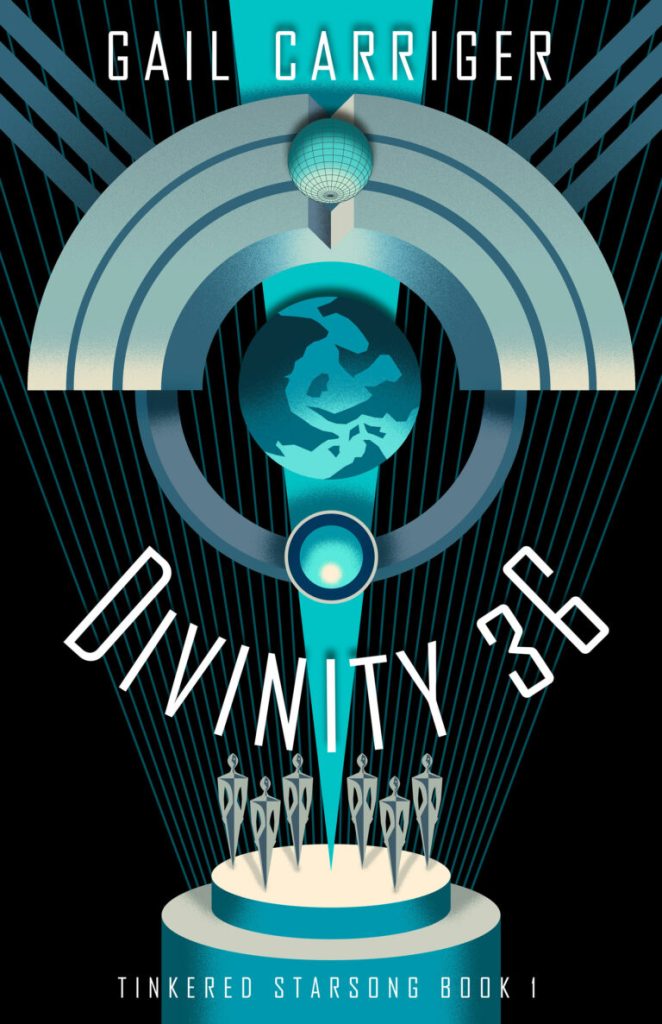
Earlier this year, I fell in love with the slice of life Intergalactic Idol boot camp that was Divinity 36. With my push to actually continue reading the series that I’ve been enjoying – instead of leaving everything abandoned at book 1 – I picked up this audiobook for some long car rides to and from a cabin weekend. While it didn’t quite have the magic of Divinity 36, I had a great time with it and will totally and definitely finish the series this year … probably … assuming I don’t get distracted.
The Premise: This book picks up with Phex and company going on tour as the opener for Tillum, the universe’s most popular Pantheon. Phex needs to balance the needs of both Pantheons with his growing feelings for superstar Missit, in a job where romantic and physical love are forbidden.
Read if You Like: the dangers of parasocial relationships, angst and yearning, the lack of agency in idol culture
Avoid if You Dislike: ‘how could he possibly love me’, protagonists without real flaws, grumpy/sunshine pairings
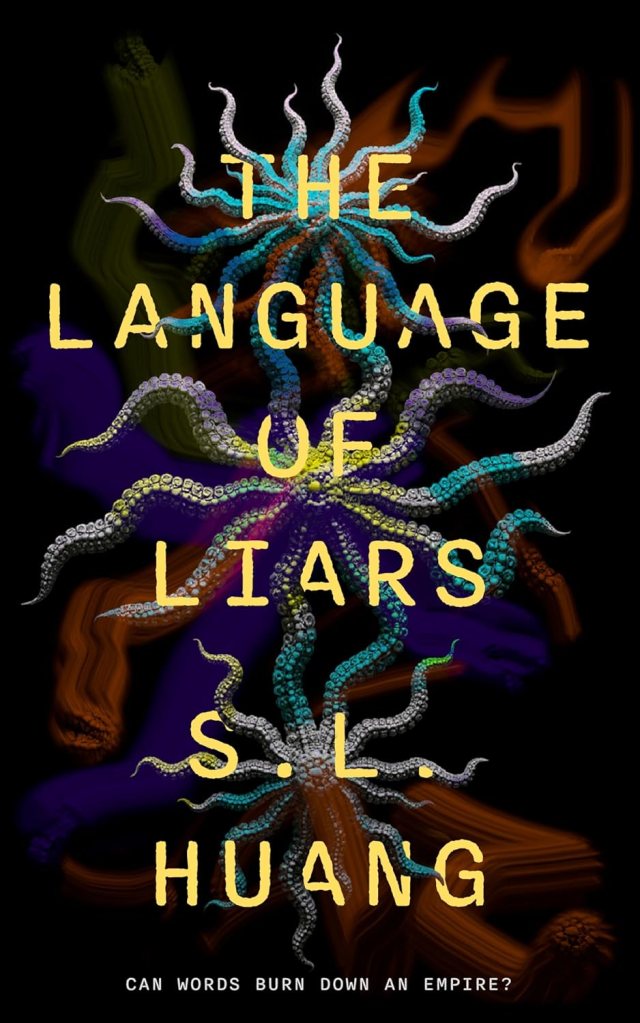
This book has all of the elements that typically appeal to me: it’s a novella, engages with questions of linguistics and ethics, and it asks the reader to be uncomfortable. The Language of Liars blew me out of the water. The opening sections left me with the feeling that this would be a good book, worth reading and recommending, but it got better and better. Every chapter sucked me in a little bit more until I sat in bed, story finished, thinking about the ending and its implications. I was not super enthralled by the 2025 novella nominations from most major awards. The Language of Liars has the right blend of thematic ambition, accessible writing, and the backing of a traditional publisher that make it an excellent candidate, and I will be happily advocating for it to make some waves on the awards circuit this year. To anyone who likes their stories to shine a mirror on our world without being too obvious about it, this is for you. There’s enough here for me to happily teach this novella in my Genre Fiction elective, and I’m desperately hoping one of the book clubs I participate in picks it up, because there’s so much to talk about from the last few chapters.
Really, truly an excellent piece of writing. Plus, the book is short and straightforward enough that the content-to-time-investment ratio is one of the best I’ve read this year.
The Premise: Ro is a talented linguist, hoping to be the first in generations of his species to jump into another’s body. He succeeds, possessing a Star Eater who, like all of their race, mine the cosmic space dust necessary for faster than light travel. He has been trained for this moment, hoping to gather the information and skills needed to save the slow death of the universe’s society, which depends on the service (exploitation?) of the enigmatic aliens.
Read if You Like: autism-coded characters, uncomfortable questions about how you (the reader) live life, musings on linguistics
Avoid if You Dislike: straightforward prose, lack of clear solutions to problems, monolithic intergalactic governments
Short Fiction anthologies generally don’t get much mainstream traction. Most genre fiction readers, myself included, tend to not pick them up. I never read them until I started participating in r/Fantasy’s bingo challenge and discovered that they can be really incredible. If We Cannot Go at the Speed of Light had been getting mentions in both genre fiction and short form circles. It’s a translated work from Korean, and I’m trying to read more work not published in English, admittedly in a very unfocused way. This collection won’t rank in my favorites, but I think people who are more ardent science fiction fans will enjoy it, while people who primarily see themselves as fantasy people – like me – may resonate less with it.
Broad Overview: This anthology of science fiction is thematically focused on belonging and personal connections in a world that is set up to push people apart. Oddly, it has an emotionally distant style. The closest analogues in English are some of the older science fiction writing that cared more about exploring an interesting premise than the modern conception of stories and characters. This didn’t necessarily work the best for me, despite plenty of interesting ideas that Cho-yeop dove into. Unlike the older US sci fi, there isn’t a consistent desire for the technology or aliens to be realistic and intricately detailed. Instead, Cho-yeop seems more interested in presenting ideas and their ripple effects rather than exploring the underlying logic supporting the technology and biology that each story focuses on.
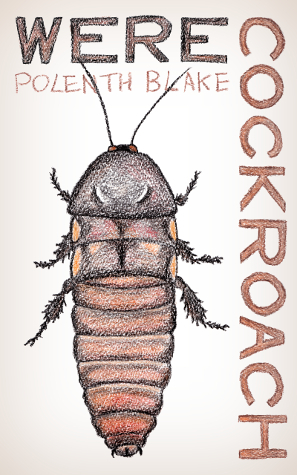
This book has been sitting on my TBR mostly because I was curious what a book with this title would be about. I’ve seen lots of odd shapeshifter characters, but this one really takes the cake. I knew a few things about the book (such as this having aromantic and asexual representation), but not much else. I certainly did not expect this book to feature an alien’s arriving on Earth. I’m glad I read this book, but I don’t think I enjoyed it enough to pick up the sequel, which is coming out later this year.
The Premise: After a fire at his old place, Rin is hunting down a new apartment. He’s broke, meaning his new spot is as cramped as you can get while still having your own room. His new roommates are unorthodox, and it later revealed that both can turn into cockroaches. Mix all of this in with an alien ship that has appeared over London, and Rin is in for a very unusual week.
Read If Looking For: cutesy cockroaches, found family, characters representing multiple marginalized groups
Avoid If Looking For: serious explorations of first contact stories, creative use of the werecockroach idea
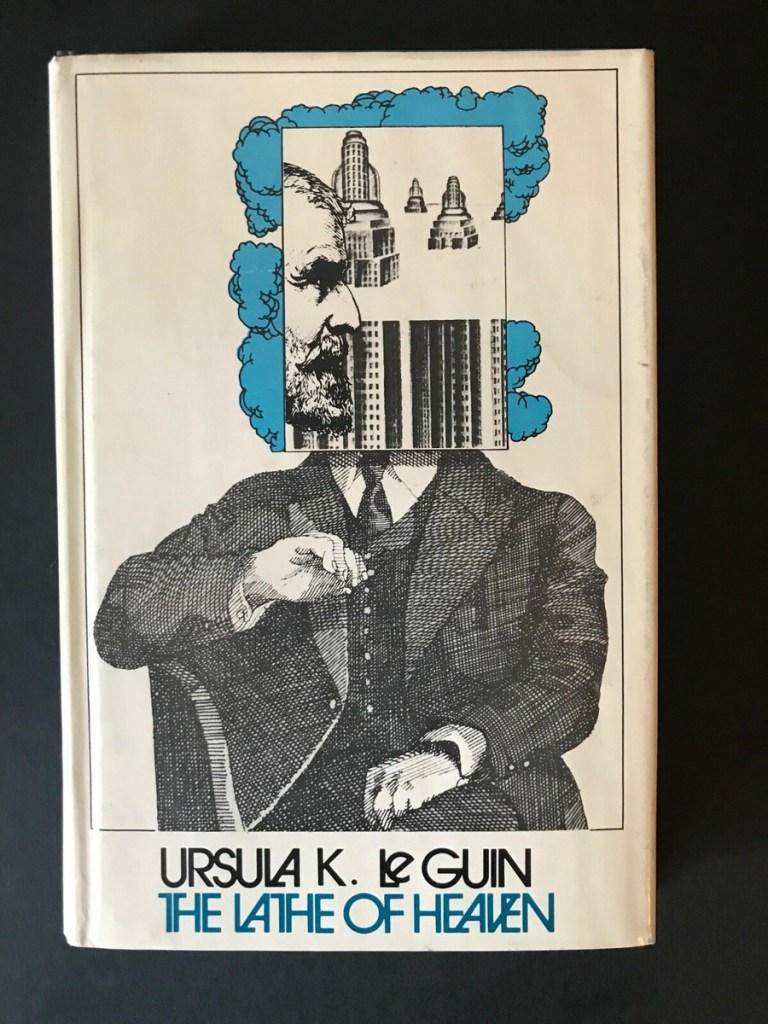
As one of the Greats of the genre, I don’t know that I’ll have anything to say about The Lathe of Heaven that hasn’t been said before. I haven’t read a ton of her longform writing, and that’s a crying shame. Honestly, I don’t even think I would have picked this up had 1970s not been on the bingo card this year; it’s been a good kick in the pants that I really need to continue reading older works.
The Premise: George Orr lives in a world with many problems. War in the Middle East, relentless climate change, and his fear of dreaming. You see, Orr’s dreams have the potential to change reality, rewriting history in radical and extreme ways. He gets caught stealing medications to prevent himself from dreaming, only to find himself in a Sleep Therapist’s office. Dr. William Haber begins to use Orr’s abilities to reshape the world, to improve it and ‘fix’ society’s problems. Orr just wants to find a way to never dream like that again.
Read If You Like: philosophical science fiction, the ethics of omnipotence, classics in the genre
Avoid If You Dislike: extended explanations of fictional science, abusive therapists, the feeling of hopelessness and lack of control in your life
I am a sucker for watching competition TV shows. Survivor was a family staple growing up, and Top Chef has gotten me through many marathon grading sessions. Divinity 36 felt a lot like that, both in content and style; it isn’t going to satisfy anyone looking for deep commentary on the human condition or societal power structures. However, it was a fun ‘idol training program’ story with a Sci Fi veneer and some interesting takes on what alien music might look like. It isn’t the fastest-paced story in the world, closer to something slice of life, and it was a phenomenal book to listen to over an 8 hour drive.
The Premise: Phex grew up in The Wheel; a violent and xenophobic space station who genetically and cybernetically modifies their babies. Phex’s body rejects cybernetic implants, forcing him into non-human societal status. When he escapes, he gets a job as a child refugee at a coffee shop that hosts Dome shows, where Pantheons perform Godsong. He gets recruited by a scout and finds himself on Divinity 36, training to become a god himself. For most, this is a path to fame and glory. For Phex, he’s just happy he got a pay raise. However, the grumpy singer grows more and more enamored with the music he can create, and finds himself with friends for the first time in his life.
Read If You Like: slowwwww burn romances, idol training camps, barista tips, grumpy/sunshine friendships
Avoid If You Dislike: ‘special’ protagonists, vague alien worldbuilding, extended rehearsal/performance descriptions
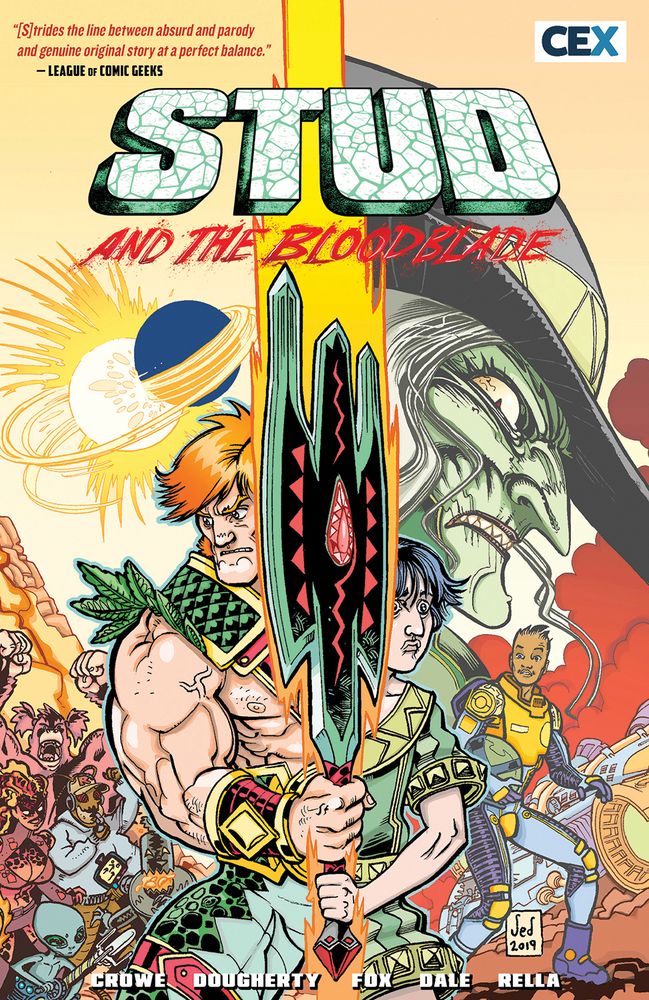
It’s been a while since I read a good batch of comics, but ever since I picked up Fables and Abott the urge has been growing in me. While Queer graphic novels are having a real moment right now – and I should probably do some writeups of my favorites – most of the ones I read are for my teaching job. I’m lucky enough to have two comics electives on my rotation (one middle school, and one high school) which keep me fairly busy. Stud didn’t seem like a safe bet for a school-purchase, so it took a lot longer for me to get around to this fabulous looking comic. At 144 pages, it’s tough for me to find reasons to not recommend something as quick and fun as Stud and the Bloodblade.
Elevator Pitch Stud is the hero of his world, a world which plays hosts to refugees from across the multiverse. It is home to the Ouroboros, and Stud protects the citizens from the evils that find their way in. Unfortunately, he and his sword are also cursed by a witch whose son Stud accidentally killed. If he doesn’t sate the sword’s thirst for blood, he finds himself trapped in his sword while the dead child temporarily returns to life. After saving the life of an Astronaut and falling in love at first sight, Stud’s priorities begin to shift. Unfortunately, the man’s ship also supposedly contains a Demon Egg, which the Witch hopes will kill Stud once and for all.
Read if You Like: Corny superhero vibes, the intersection of satire and seriousness, He-Man references,
Avoid if You Dislike: American Superhero story structures and art style, lack of emotional depth, plots that aren’t airtight, quirky character designs
For more examples of the art, see the bottom of this post.
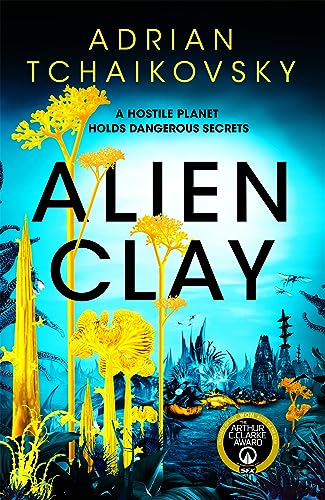
For someone who reads as much as I do, the fact that I’ve gotten so far through life without reading a single Tchaikovsky novel is astounding. I blame my father in part: he stole Children of Time from me while visiting and never returned it. Alien Clay arrived as part of my never ending processional of Libby Audiobook holds, most of which get shunted back another few months until I have time for it. And I see why Tchaikovsky is so popular. I understand why it was nominated for a Hugo, and why it didn’t win. I liked it, but didn’t love it, and suspect that if I read Tchaikovsky he’ll be a reliably good author when I need a solid page-turner to get me off a reading slump.
The Premise: Mildly rebellious Xenobiology professor Arton Daghdev has been caught by the Hegemony. As punishment, he is sent to Kiln, a extrasolar planet with the most advanced forms of life yet discovered. While there, he falls in with former rebel contacts, grows fascinated with the interchangable nature of Kilnish biology, and wonders what the point of life is when he’ll never be able to return home.
Read if Looking For: delightful alien ecology, characters with realistic skillsets, hopeless situations, readable prose
Avoid if Looking For: something new to say about fighting hegemony and fascism, books without bloat