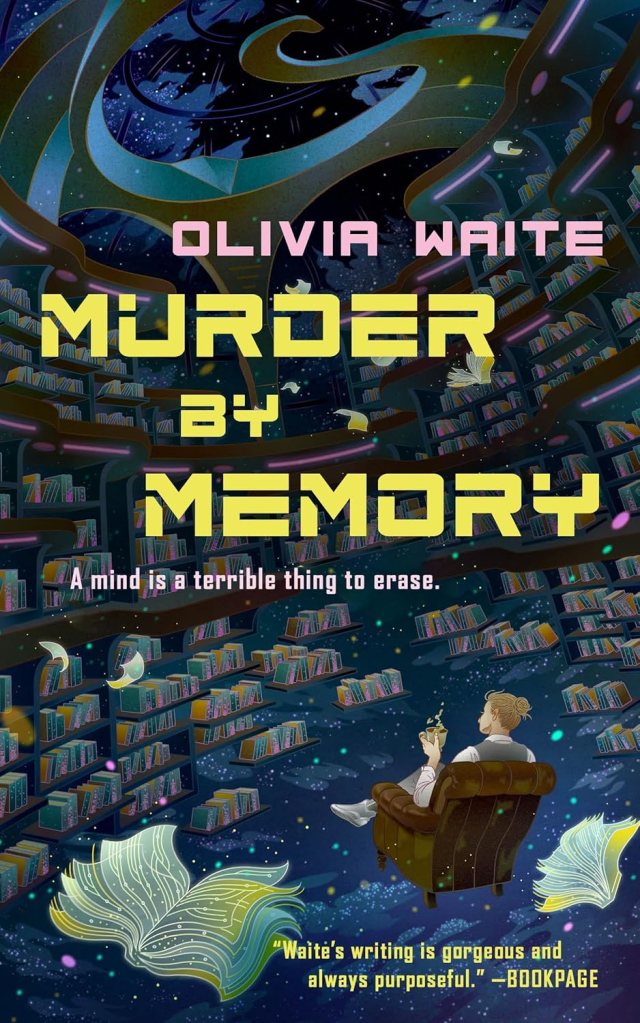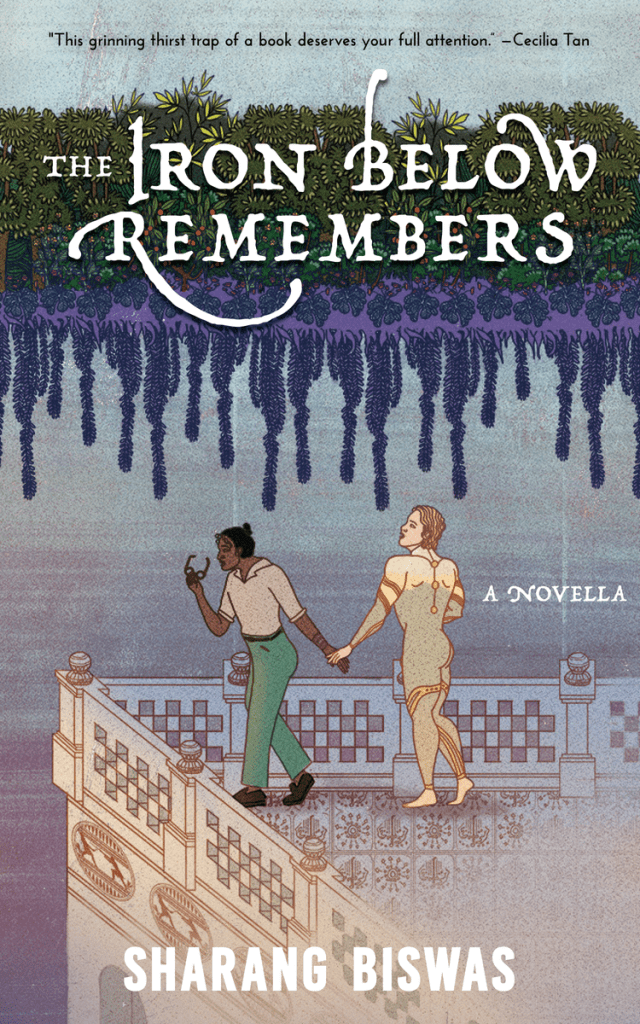
This book has been sitting on my TBR mostly because I was curious what a book with this title would be about. I’ve seen lots of odd shapeshifter characters, but this one really takes the cake. I knew a few things about the book (such as this having aromantic and asexual representation), but not much else. I certainly did not expect this book to feature an alien’s arriving on Earth. I’m glad I read this book, but I don’t think I enjoyed it enough to pick up the sequel, which is coming out later this year.
The Premise: After a fire at his old place, Rin is hunting down a new apartment. He’s broke, meaning his new spot is as cramped as you can get while still having your own room. His new roommates are unorthodox, and it later revealed that both can turn into cockroaches. Mix all of this in with an alien ship that has appeared over London, and Rin is in for a very unusual week.
Read If Looking For: cutesy cockroaches, found family, characters representing multiple marginalized groups
Avoid If Looking For: serious explorations of first contact stories, creative use of the werecockroach idea
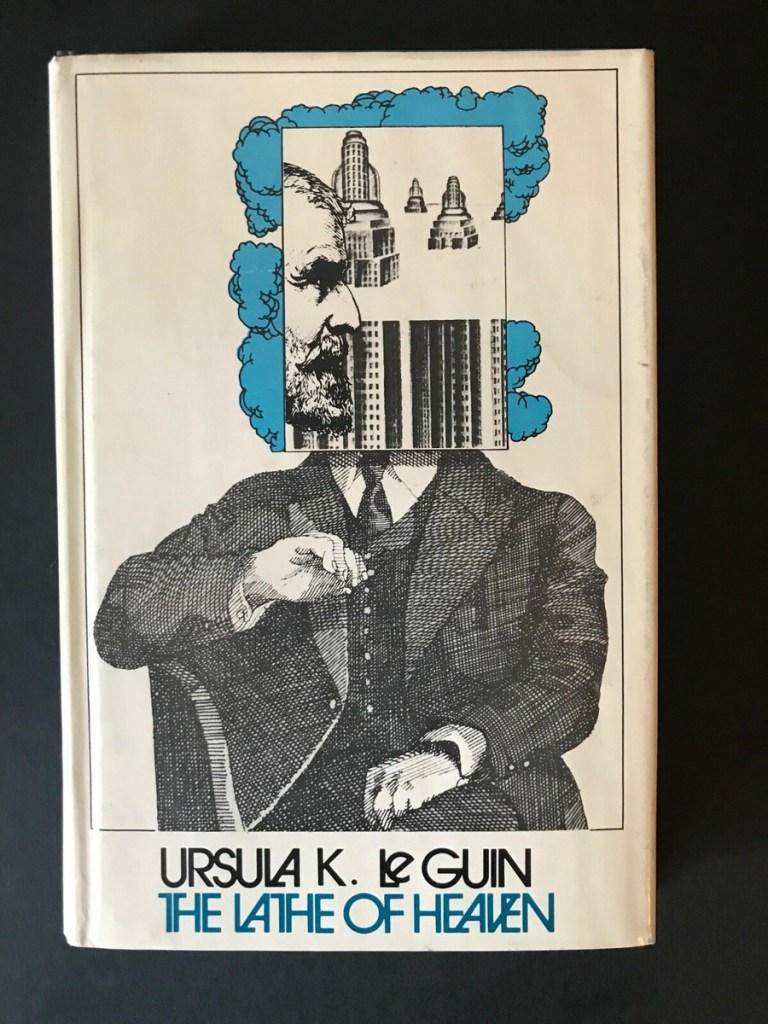
As one of the Greats of the genre, I don’t know that I’ll have anything to say about The Lathe of Heaven that hasn’t been said before. I haven’t read a ton of her longform writing, and that’s a crying shame. Honestly, I don’t even think I would have picked this up had 1970s not been on the bingo card this year; it’s been a good kick in the pants that I really need to continue reading older works.
The Premise: George Orr lives in a world with many problems. War in the Middle East, relentless climate change, and his fear of dreaming. You see, Orr’s dreams have the potential to change reality, rewriting history in radical and extreme ways. He gets caught stealing medications to prevent himself from dreaming, only to find himself in a Sleep Therapist’s office. Dr. William Haber begins to use Orr’s abilities to reshape the world, to improve it and ‘fix’ society’s problems. Orr just wants to find a way to never dream like that again.
Read If You Like: philosophical science fiction, the ethics of omnipotence, classics in the genre
Avoid If You Dislike: extended explanations of fictional science, abusive therapists, the feeling of hopelessness and lack of control in your life
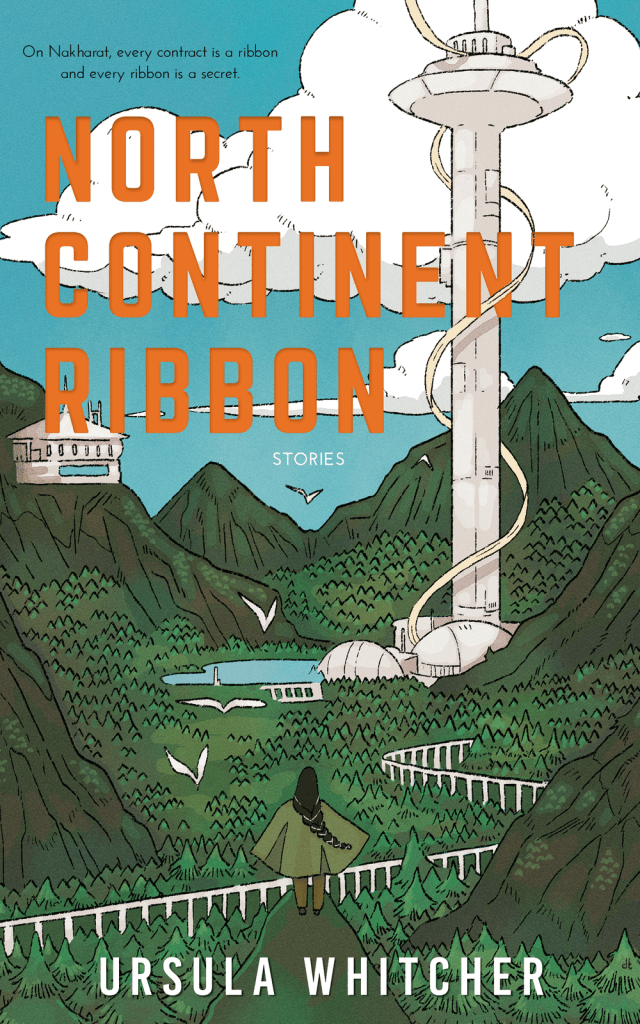
North Continent Ribbon went on my reading list after it got shortlisted for the Ursula Le Guin prize. Those books tend to be hit or miss, but always have a strong sense of identity and something new to bring to the genre. Ribbon was no exception; I’m sure the structure of this novella has been done before, but I haven’t read one like it. It lives in an in-between space between a short fiction/mosaic novel and a more cohesive novella, which was a really cool experience. This story isn’t the densest thing I’ve read, nor the most profound. It has lingered with me, however, and I think that’s the sign of something really special. I think I’d have picked it to win over Rakesfall, which won that year.
The Premise: North Continent Ribbon covers ~450 years of a far flung planet, initially settled as a location to build faster-than-light ships. Each story is a discrete piece of short fiction, focusing on its own characters and conflicts. However, they layer on top of each other to tell a larger story of cultural formation and change.
Read If Looking For: unique worldbuilding that doesn’t feel gimmicky, nuanced anticapitalist themes, interpersonal conflicts framed through systemic pressures, collective bargaining
Avoid If Looking For: the protagonists always winning, traditional story structures, conflict resolution via combat, romance-free books
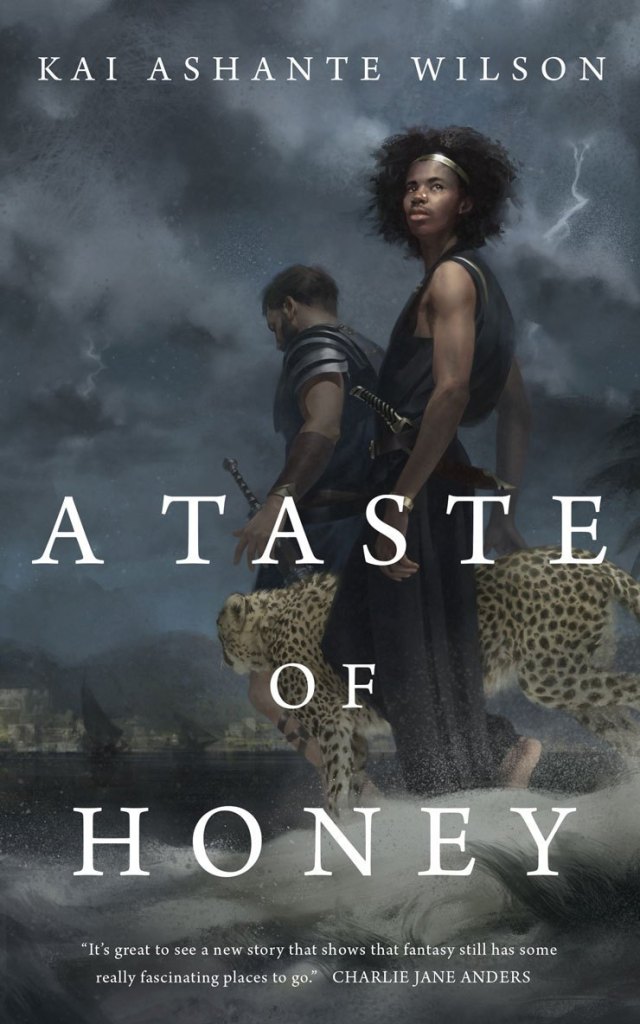
There’s a special kind of magic when stories commit to telling the story of a person, following them throughout their lives. It was one of the reasons I enjoyed Sign of the Dragon so much last year! A Taste of Honey is a story that asks you to step back from your own life and settle into the skin of another. It asks you to reflect on your life, on your choices, and whether you can stand by the paths you chose not to take. It is a piece of unvarnished reality, even though it occurs in a setting somewhere between the Sparticus and The Expanse. It eschews grand epics in favor of the life of a man, and not a man who had a particularly large impact on his world. It also has cheetahs, and who doesn’t love a big cat?
Note: this is technically part 2 of a duology. My understanding is that both books share a world, but otherwise do not overlap terribly much. I’ve read the first book (several years ago), and didn’t see any connections; certainly my fuzzy memory about Sorcerer of the Wilddeeps was not a hindrance to enjoying this novella.
The Premise Aqib is the son of The Master of Beasts, and has an affinity for working with animals. He has a chance encounter with a visiting soldier, whose nation’s gods are negotiating with Aqib’s nation’s gods. The two have an immediate spark, despite Aqib’s culture forbidding men from laying with other men. This story interweaves their ten day affair with the days, years, and decades that follow Aqib’s separation from Lucrio. Is the life Aqib gained, a wife and child and comfortable life amongst the high nobility, worth the loss of the love of his life?
Read If Looking For: the joy of young (and forbidden) love, the pride a parent feels in their child, second guessing the choices which form the fulcrum of your life
Avoid If Looking For: clear and conventional worldbuilding, invisible prose, Genre Romance
Comparable Media: Sign of the Dragon, Call me By Your Name, The Empress of Salt and Fortune
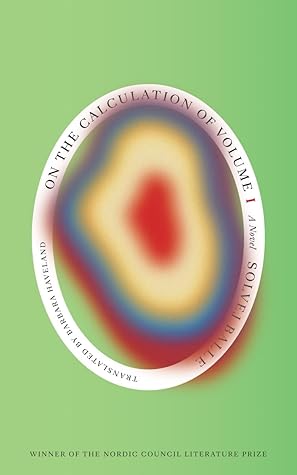
I’m not a connoisseur of time travel stories, but On the Calculation of Volume is certainly unlike any other I’ve read, and I was impressed with how this story managed to be intense and restrained at the same time. The book isn’t going to be for everyone – a lot of genre fiction fans will bounce off this, I think – but for people who are interested in something more reflective, this is excellent.
The Premise: Tara does not know why she has repeated the 18th of November a hundred times. There seems to be nothing remarkable about that day – the first one of course – or even the 17th of November. However, she finds herself in an endlessly looping day, with a husband who thinks she is on a trip to France for work. This is her journal, and Tara is not okay.
Read If You Like: psychologically intense stories, existential slice of life, clear and simple prose, literary science fiction
Avoid If You Dislike: books where ‘nothing happens’, inconsistent time travel mechanics, repetitive plot beats
Comparable Media: The Other Valley, Virginia Woolf’s writing, The Bone Harp
I’ve run into a lot of disappointing Weird West novels this year (followed by a really fantastic Fantasy Western in The God Eaters). East of West is a comic famous for being the Weird West of the comic world, though it mixes in more Sci Fi than true weirdness. Considering I read a trade, I only got about a tenth of the entire story to be told, which may not be enough to make a real judgement with. A lot of pieces got put on the gameboard, but none were developed enough to be anything other than introductory archetypes. There was enough interest here to make me want to read more, and the art style is just captivating
The Premise Death is one of the Four Horseman of the Apocalypse, but he has broken away from his fellows. He now stands in opposition to them as he seeks revenge on those who killed his wife. Meanwhile, the other Horseman are trying to bring about the End of Times. Death will assassinate world leaders, wage war, and bring his inevitability to bear. Meanwhile, War, Famine, and Pestilence work behind the scenes to chase Death down and destroy the world as they know it. Threaded through all of this is a vast Science Western world, giant fights, and political maneuvering from human leaders.
Read If You Like: genre blending, tropes on tropes on tropes, epic stakes from page 1, the feeling of being small
Avoid If You Dislike: archetypical (stereotypical?) characters, multi-pov comics, plentiful violence
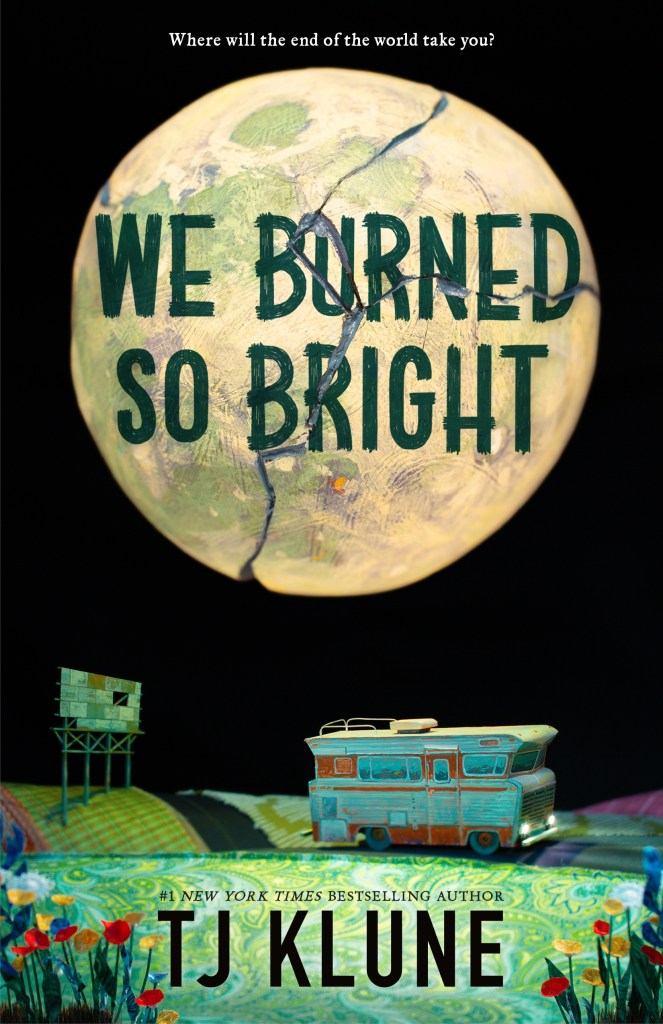
Nathan Tavares has more or less cemented himself as an instabuy author for me, and Disco at the End of the World continues placing him near the top of my favorite author’s list. The early reviews for Disco had me hesitant: several readers I trust DNFd, and a 3.5 rating on Goodreads typically indicates that a book has some fairly major flaws. Like with most of Tavares work, I think my love for it is going to be higher than most people’s. He speaks to my soul in a way that few authors do. This book has some significant rough patches, but it also filled a void that I’ve been searching for: speculative fiction that seriously engages with historical underground queer spaces in America. If that isn’t something that immediately gets you excited though, there probably isn’t enough here for me to recommend it to the average reader.
The Premise: Mitch is a member of the Spaceguard, which has replaced Nasa in this version of the Cold War with more of a military emphasis than exploratory. He works on the moon base, where he’s known as a queer who doesn’t get a hard time only because he also smuggles contraband in for everybody else. He gets reported for morality breaches and is sent back to Earth, where he and his fellow servicewoman Gloria (not that most soldiers used that name for her) helped open an underground Disco outside Hollywood. Strange things are happening to Mitch however, and he ends up being a contact point for Aliens who are threatening to destroy Earth, unless he, Gloria, and his new family can bougie hard enough to change history.
Read If You Like: portrayals of underground gay culture, alternate space-race history, queer acid trips, disco ball spaceships
Avoid If You Dislike: characters facing homophobia, long stretches without speculative elements, the power of LOVE, intense tonal shifts
Comparable Media: Welcome to Forever, Exit Stage Left: Snagglepuss Chronicles, Disco Witches of Fire Island
I am a sucker for watching competition TV shows. Survivor was a family staple growing up, and Top Chef has gotten me through many marathon grading sessions. Divinity 36 felt a lot like that, both in content and style; it isn’t going to satisfy anyone looking for deep commentary on the human condition or societal power structures. However, it was a fun ‘idol training program’ story with a Sci Fi veneer and some interesting takes on what alien music might look like. It isn’t the fastest-paced story in the world, closer to something slice of life, and it was a phenomenal book to listen to over an 8 hour drive.
The Premise: Phex grew up in The Wheel; a violent and xenophobic space station who genetically and cybernetically modifies their babies. Phex’s body rejects cybernetic implants, forcing him into non-human societal status. When he escapes, he gets a job as a child refugee at a coffee shop that hosts Dome shows, where Pantheons perform Godsong. He gets recruited by a scout and finds himself on Divinity 36, training to become a god himself. For most, this is a path to fame and glory. For Phex, he’s just happy he got a pay raise. However, the grumpy singer grows more and more enamored with the music he can create, and finds himself with friends for the first time in his life.
Read If You Like: slowwwww burn romances, idol training camps, barista tips, grumpy/sunshine friendships
Avoid If You Dislike: ‘special’ protagonists, vague alien worldbuilding, extended rehearsal/performance descriptions
Like so many people, I am an ardent Dungeon Crawler Carl fan. I hopped on the bandwagon just as it was taking off, and I’ve been overjoyed that it has prompted publishers to take a hard look at supporting more self-published authors. This is Book 8 in the series, which means you should probably skip this if you’re trying to figure out if the series is good for you (a shortish review of book 1 can be found here).
The Premise: This book follows Carl and Donut as they traverse the 10th and 11th floors – though floor 10 takes up most of the page count. Floor 10 is styled as races, where crawlers must make a variety of unwieldy vehicles and mounts function in increasingly zany environments. As it becomes clear this floor is designed to pit crawlers against each other, the team hunts for various ways to help their fellow humans escape the dungeon through increasingly esoteric loopholes. Meanwhile, the Dungeon AI is growing in power, threatening the very universe itself.
Read If Looking For: More Dungeon Crawler Carl, increasingly unstable Artificial Intelligence, crawlers getting whittled down to near nothing
Avoid If Looking For: new achievements, leaderboard updates, lootbox openings
It’s unsurprising that the AIDS epidemic has been notably absent from Fantasy and Science fiction novels. There are lots of reasons for this: many read for escapism, the 80s/90s isn’t a common time period for fantasy or science fiction in general, and AIDS doesn’t fit neatly into the cute love story narrative that traditional publishers have historically leaned on when writing books about gay men. Things are improving – traditionally published trans protagonists exist, though they’re still rare – and there are a few novels that have tackled the idea (though I couldn’t bring myself to keep reading the train wreck that was Disco Witches of Fire Island). I live in hope, but my hopes aren’t very high.
Comics have actually done a much better job of engaging with the topic, though not always well. I got to teach a few lessons on the representation of AIDS in superhero comics a few years ago, and I’m hoping I’ll have the chance to expand it into a full unit soon. Barbalien was part of that journey, and a great example of how mainstream comics have evolved on the issue over 30 years. Barbalien is set in the The World of Black Hammer, a superheroverse more or less analogous to DC or Marvel. You really don’t need any previous context for the story, so don’t feel like you need to jump in ‘at the start’ if you aren’t interested in the cute and satirical set of villain interviews that form the universe’s first installment. Barbalien is a more serious story, but not so bleak as to suffer accusations of torture porn.
Finally, it’s important to note that while Jeff Lemire seems to be listed as the main author, the story is a collaboration between him and Tate Brombal. The actual script (dialogue, panel by panel story descriptions, etc) is all Brombal, an openly gay comic writer.
The Premise Mark Markz is from Mars. When masquerading as a human, he works as a cop trying to do good. When openly martian, he fights crime as Barbalien. When both personas are needed at an AIDS protest, Mark comes into contact with Miguel, a young activist whose partner recently died of AIDS. As they fall in love, Mark grapples with his growing realization of how the system he works for is a force of oppression, finds connections in the queer underground, and is hunted by a rival from Mars.
Read If Looking For: queer joy, queer pain, and queer love
Avoid If Looking For: sympathetic cops, cinematic fight scenes, fleshed out supporting characters