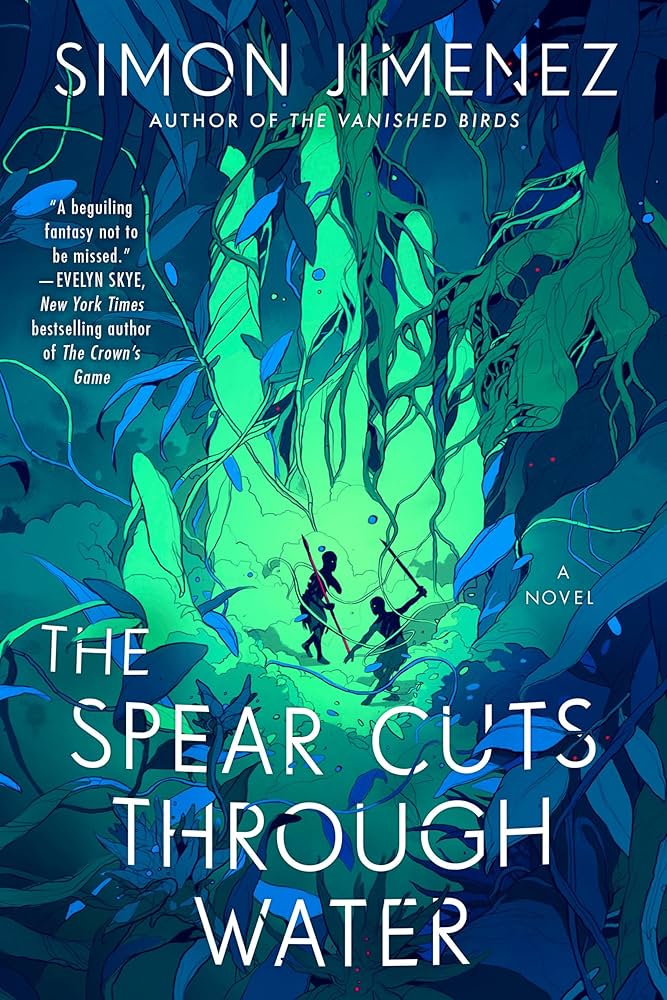
The Spear Cuts Through Water – Epic Fantasy told Three Ways

Words are not enough to describe how nervous I was to suggest my in-person book club read The Spear Cuts Through Water. Was it everything I remembered, or are my memories clouded by the pink haze of nostalgia? Would my friends like it as much as I did? Was the brutality and violence of the book excessive?  Would I still think about this as my favorite book of all time? That’s a lot of pressure to put on a book, and expectations are the mother of all disappointment.

Thankfully, it absolutely stood up to the book of my memories. I think I liked it more this time around, and I certainly noticed things that I had missed in my first readthrough. The jury is still out on whether or not my friends will love it like I do. My only regrets are starting this book a little too close to our book club meeting – it’s tomorrow! – which coincided with a bout of brain frog that left Jimenez’s gorgeous pose a bit more difficult than I was equipped to handle after a long day of work. However, I consider it the best book I’ve ever read, and it represents the direction that I wish epic fantasy would start to explore.
The Premise:
In the inverted theater, the child of Moon and Water performs for you a story of your people’s history. You’d heard this story before. It is the one your Lola told you and that you told your brothers in turn. It follows Keema and Jun, one an outcast with one arm and the other a monster of a man searching for a path towards redemption. They escort the Moon in her desperate bid to escape the empire freeing her from 8 generations of servitude and the people from 8 generations of tyranny. This is a tender story of the journey of two boys, a chronicle of the death of an empire, an exploration of guilt and shame and violence, and it is a story about how our past ripples into our future.

Read If Looking For: a simple story transformed by its format, an ode to the oral history of Fantasy, standalone epic fantasy, a very wise tortoise

Avoid If Looking For: straightforward storytelling, books free from graphic violence or sexual assault, rapid pacing

Comparable Media: Spear (by Nicola Griffith), Hyperion, Princess Mononoke

Continue reading “The Spear Cuts Through Water – Epic Fantasy told Three Ways”
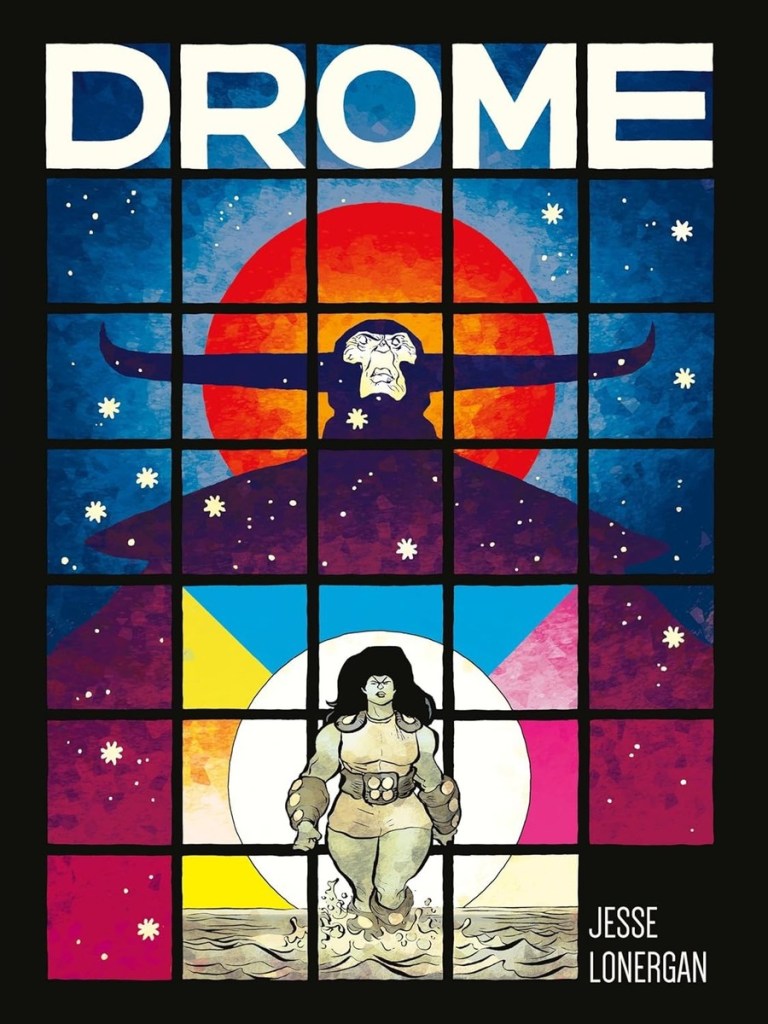
Drome – A Modern Ode to Mythic Hero Stories

Drome is probably the platonic ideal of comics for me. It was adrenaline injected directly into my brain. I couldn’t stop thinking about it when I tried opening up my current novel. I had meant to spread this read out over five days – the book is split into five sections. Instead I finished it in a single day that was also filled with book club, yard work, and a friend’s Irish folk music concert. While Drome doesn’t quite top the emotional resonance of The Magic Fish, it captures so many of the things I love in Fantasy and Comics. It honors mythology without being a pale imitation, it leverages simplicity for power, and it uses its visual medium as an asset to be leveraged. Drome is on a lot of ‘Best of 2025’ lists in the comic world, and it’s clear why. 

For those of you who don’t read many comics, I cannot stress enough that Drome is absolutely worth checking your public library for. Unlike many of my favorite comics, this one doesn’t have the same density, making it a very low time commitment for those who don’t spend much time with comics.

The Premise:
Drome bills itself as a creation myth, but I don’t think that’s accurate. It begins with the creation of life, but it quickly shifts focus. Instead, Drome feels much more like stories of Achilles, Gilgamesh, or Beowulf. It follows a demigod created by Day to bring control to a violent world. This warrior is herself rather violent, but does her best to shepherd humanity into a prosperous future. As with many of the best hero myths, her story isn’t always a happy one, but it’s one of the few modern stories that evokes the feeling of old mythology without retelling original myths.

Read If: you love reading about mythological heroes, enjoy visual experimentation, want a grand story that can be read in a single sitting

Avoid If: simple and predictable plots annoy you, you need a simple happy ending, lack of dialogue will hinder your enjoyment of a comic

Comparable Media: Tongues, The Spear Cuts Through Water, Hyperion

Continue reading “Drome – A Modern Ode to Mythic Hero Stories”

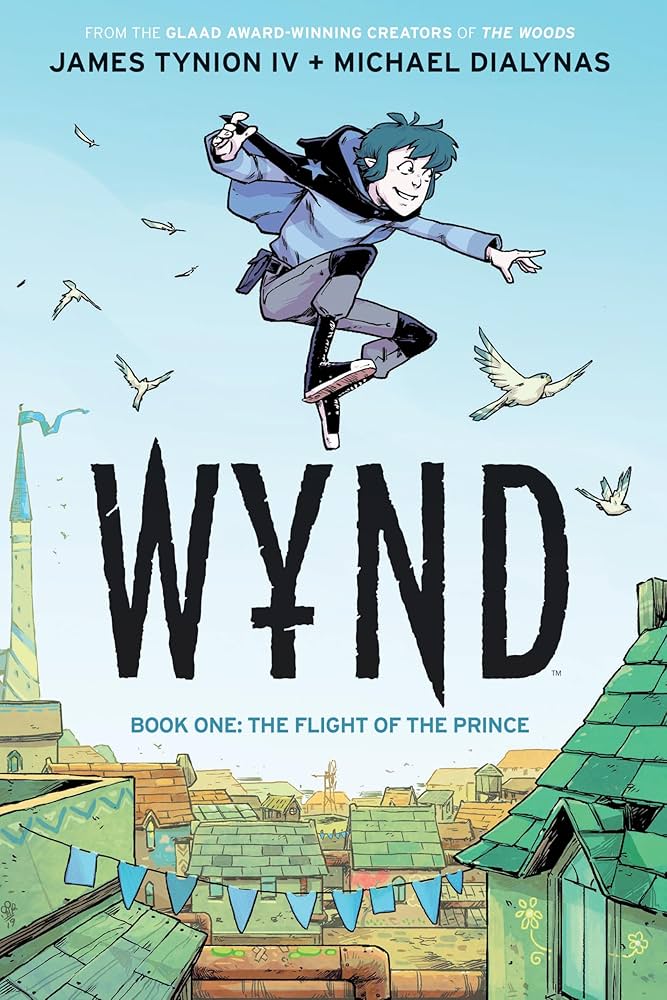
Wynd – A Casual and Delightful Middle Grade Adventure

I picked up the first book in this series as I collected books for a class on Queer Comics and Cartoons. It didn’t end up making the cut as a whole-class read, but it quickly found its way into my classroom library and has become quite popular. While the series isn’t quite finished – final book is releasing this year! – I figured finishing book 4 was enough to write a review about the series more generally. It won’t tickle the fancy of anyone looking for serious or deeply thematic fare, but it’s fun and quick and a truly delightful kids book that I think many adults would enjoy as a casual read. 

The Premise:
In a city where being touched by the unnatural wilds marks you for death, young Wynd hides his ears at all costs. However, Pipetown is simmering with tension, and few realize how close the continent is to open warfare. Wynd ends up fleeing with a reluctant prince, a cute gardener, and his adoptive sister, and his adventures put him in contact with several human factions, a bug-faerie culture in the midst of its own political revolution, and a very militaristic society of vampires. 

Read if: you love classic fantasy tropes, comics with vibrant illustrations are your style, faeries-as-bugs sounds fun

Avoid if: simplistic morality will bug you, you dislike chosen ones & prophecies, fantasy racism isn’t a worldbuilding trope that works for you

Comparable Media: Fablehaven, Septimus Heap, Cece Rios, Amulet

Continue reading “Wynd – A Casual and Delightful Middle Grade Adventure”

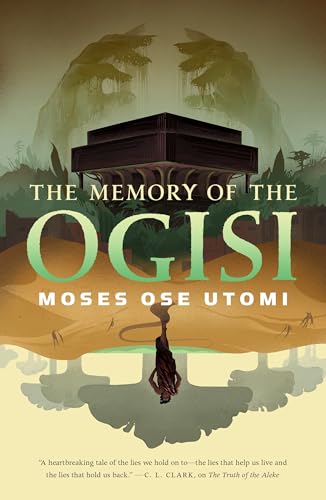
The Memory of the Ogisi – A Haunting Conclusion to the Forever Desert

I’ve been chewing on the Forever Desert Trilogy since 2023. Books that are interested in the art of storytelling are candy for me, and this trilogy takes a different approach than most. I actually use the first book in the Speculative Fiction course I teach to high schoolers. This series benefits from gaps between each book in the series: the way Utomi plays with history in this trilogy works best when your memory of the past book is a little bit fuzzy. I liked the first two books in this series a lot, but this book is by far my favorite of the three. It’s pretty bleak, and probably not for everyone, but it really worked for me. 

For reviews of the first two books in this series, see The Lies of the Ajungo and The Truth of the Aleke

The Premise
In this iteration of the Forever Desert, a minor historian departs from The City of a Thousand Stories in search of the famed Tomb of Osi. His journey brings him into contact with historians from other cities in search of other cities. What he finds causes him to rethink his society’s role in the world, and what he brings back sparks the change that will bring The Forever Desert into its next generation of oppression, control, and violence.

Read if: you’re looking for a blend of folkloric storytelling and epic fantasy, you’re interested in darkly thematic explorations of truth, power, and history

Avoid if: you dislike books that lack hope,you want worldbuilding to feel consistent and explainable

Comparable Titles: 1984, A Conspiracy of Truths, The Giver Quartet

Continue reading “The Memory of the Ogisi – A Haunting Conclusion to the Forever Desert”

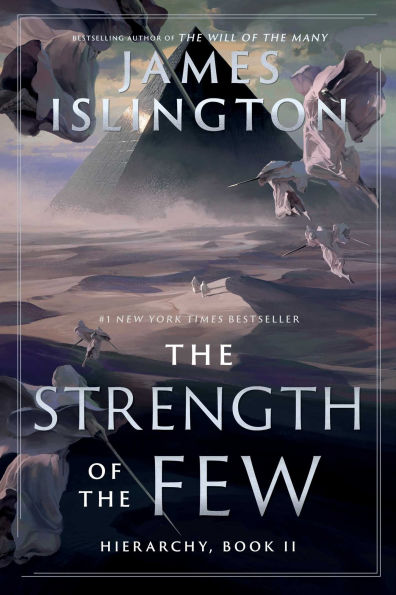
The Strength of the Few – An Addictive & Hollow Sequel

The Will of the Many was a bit like fast food. I was unable to put it down, burning through the book in little more than a day. I loved every second of it. Afterwards, I began to notice that the story wasn’t as filling as I thought while reading. I knew I wanted to read the sequel, but I entered with reservations. The Strength of the Few was almost exactly what I thought it would be: fun when little thought was applied, but very difficult to ignore some glaring issues that kept rearing their heads. Will I buy the final installment when it comes out? As with the Pokemon games, my answer is always no. As with Pokemon, I’ll probably break that answer as soon as the book releases and end up disappointed.

While this review doesn’t focus on specific plot points, it will spoil the nature of the twist revealed in the Epilogue of Book 1. This information is also located on the back cover of the book, but I figured I should give a heads up. 

The Premise
After going through the gate, Vis is cloned to exist in three worlds. Res (the one we already know), Obiteum (a desert world with not a lot of people, but a lot of necromancy), and Luceum (northern European coded with plenty of druids). He is Synchronous, one of the two to exist in all three worlds at once. He is one of two people who can use the magic of all three realms. And the other? He’s the immortal in charge of the end of the world, and Vis must stop him.

Read if: You want to see Vis keep being awesome in three worlds instead of just one, expansive scope is important to you, there’s even more noble women falling in love with Vis

Avoid if: You were hoping for a political plotline of Vis working from the inside,  exploring his moral qualms with Will is important to you

Comparable Titles: Red Rising, The Name of the Wind, Ironbound, Mistborn

Continue reading “The Strength of the Few – An Addictive & Hollow Sequel”

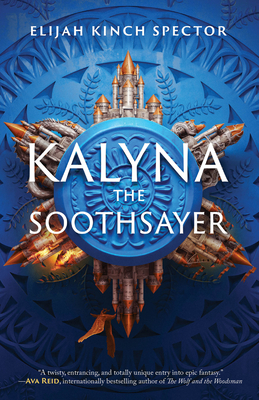
Kalyna the Soothsayer – Political Fantasy with a Sense of Humor

One of my favorite things to do is read books nobody is talking about other than a few people who relentlessly hype it. Kalyna the Soothsayer was brought to my attention by u/RheingoldRiver over on the Fantasy subreddit. I’m a bit sad that it took me so long to finally pick this book up, but I really enjoyed it! It’s got a good amount of political intrigue, a delightfully unreliable narrator, and a setting that feels just weird enough to be noticed without distracting from the corruptive nature of power or xenophobic social orders. It’s not a comedy, but it’s got a relentlessly dry sense of humor. It isn’t epic fantasy, but the stakes are high. It’s not a crime novel, but our protagonist’s string of cons and lies were entertaining and filled with tension. It doesn’t quite hit my ‘all time favorites’ list, but it’s good enough that I’ve already put in an order for the sequel.

Elevator Pitch
Kalyna is from everywhere, but belongs nowhere. She is powerless in a family of soothsayers. Her ‘prophecies’ rely on guesswork and rigging the odds. She’s catches the attention of the Prince of Rotfelsen, an underground nation. She and her family find themselves kidnapped and forcibly placed in the Prince’s service right when assassination plots against the King are on the rise. She must figure out how to escape without killing herself, her loving father, or her viper of a grandmother. Until then, she’s got to fake some fortunes for a paranoid prince and hope things don’t go too sideways in the meantime. 

Read if Looking for: long cons, a bucket of assassination attempts, characters using nontypical weapons, Jewish-coded protagonists, chaotic bisexuals

Avoid if Looking For: kind and sympathetic nobility, fight scenes with consequences, supportive grandparents, long chapters


Comparable Reads: The Justice of Kings, A Mask of Mirrors, The Blacktongue Thief

Continue reading “Kalyna the Soothsayer – Political Fantasy with a Sense of Humor”

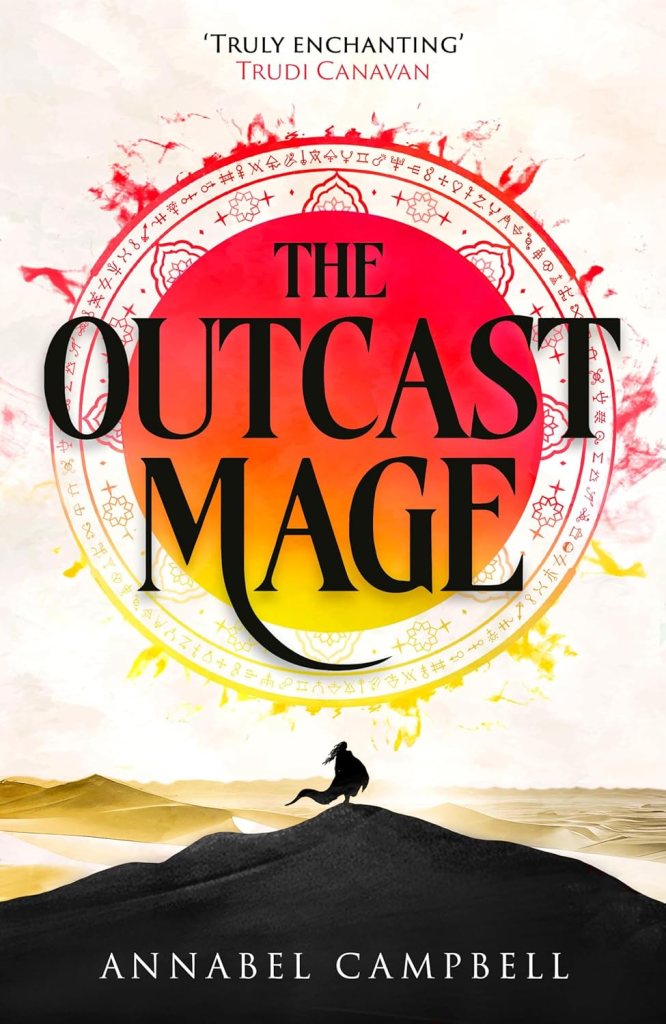
The Outcast Mage

Will February be the month of aggressively mediocre reads? Unclear, but if the last few books I finished are any indication it might be. The Outcast Mage reminded me that I need to DNF more, but kept luring me back in with interesting little tibits. Just as I was about to quit I learn that the spy priest is gay and eyeing up his bodyguard. I can’t stop there! Sadly, this book never quite came together for me, but I think could be a good fit for someone looking for a straightforward and modern take on Epic Fantasy. 

The Premise:
Amoria  is a city in a glass dome, a refuge for mages who fled persecution. Now however, they perpetrate many of the same crimes against those without magic. Naila lives between: she has the power to sense magic – and is thus a mage – but has now power herself. She is both with and without magic, trapped between two worlds who both view her with suspicion. This is mainly her story, but we also follow the city’s most powerful and arrogant mage, a senator who is Aunt to Naila’s best friend, a spy priest from the country who long-ago hunted down mages, and a strange woman wandering the countryside investigating mysterious calamities.

Read if Looking For: chosen ones, magic as an analogue for xenophobia, straightforward writing

Avoid if Looking For: intense characterization, nuanced villains, lots of dragons (more in the sequels?)

Continue reading “The Outcast Mage”

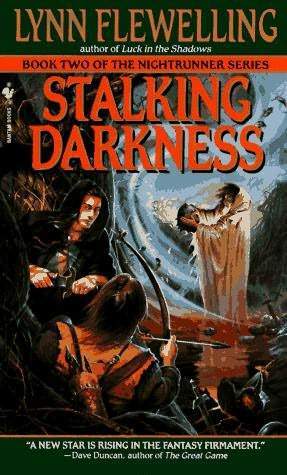
Stalking Darkness (Nightrunner #2)

If you’d like to see my review for book 1 in this gay epic(ish) Fantasy series from the 90s, see Luck in the Shadows.

It’s been a long time since I read a Mass Market Paperback, or enjoyed the smell of an old book. While my hand suffered some cramps during the final 100 pages, it was a nice hit of nostalgia for what reading used to be like. I enjoy reading on e-readers well enough, but the larger-sized paperbacks and hardbacks of our modern printing era are definitely more comfortable to curl up with. That said, I miss how inexpensive books used to be!

Anyways, this was a great sequel to a great opening of a series. As with book 1, be prepared for elements that feel dated and gross in our modern era. This book was a lot less of that than the original though, especially since I’d accepted and and compartmentalized from my significant qualms about how Flewelling set up the relationship between Alec and Seregil in book 1.

The Premise:
This book is a hodgepodge of Alec and Seregil’s adventures as the growing threat of war with Pleminar develops. Seregil goes hunting for more dangerous necromantic relics, Alec starts to do spy jobs solo, and they both keep feeling like people are following them. Alec learns about his past, we get a cryptic prophecy, and the villains make their move. Lots of classic fantasy elements, though this book continues to place a heavier focus on political or urban exploration elements than extended travel across fantastic terrains or grand battles you see in other epic fantasy works of the time like The Wheel of Time.

Read if Looking For: political intrigue, brewing wars, so many dreams, angsty pining, a sudden awareness of breasts and pectorals

Avoid if Looking For: books without rape or torture, lots of female characters, moral ambiguity

Continue reading “Stalking Darkness (Nightrunner #2)”

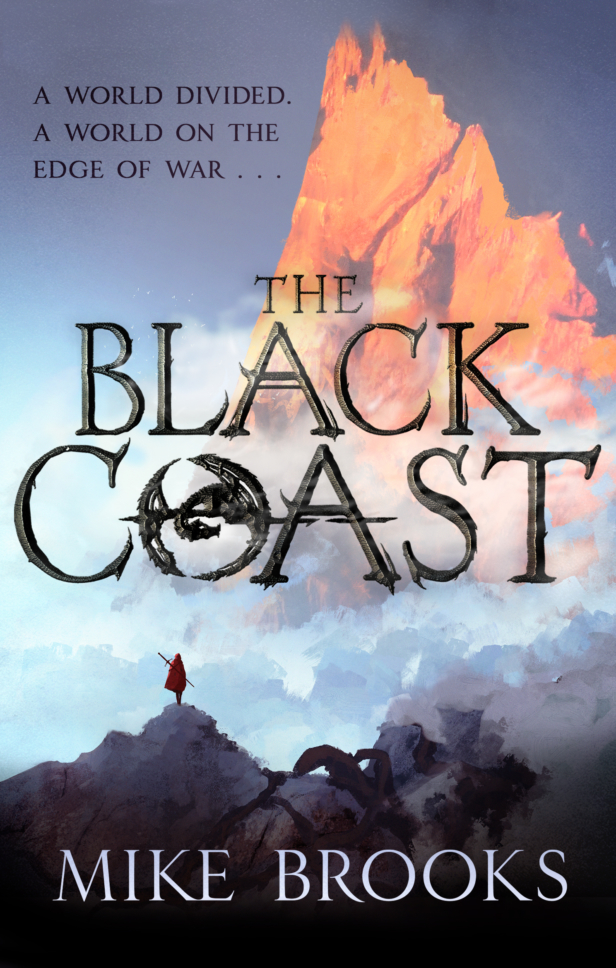
The Black Coast

I came for innovative queer worldbuilding, and I stayed for dinosaurs. This book kept coming up on lists of stories with queer worldbuilding elements, came off my shelf because I wanted to read a story about dragons. While I liked the book a lot, it didn’t succeed on either count, and folks coming to this story looking for queer representation will find themselves disappointed, despite a 5/6-gender society and cultural clashes over the morality of homosexuality being major elements of this book. Hopefully that shifts in the sequels, but right now it’s probably better to think about this as a more plot-focused Game of Thrones style story.

The Premise:
There’s two main storylines happening in The Black Coast. The town of Black Keep is visited by raiders (who are fleeing an undead monster on their home islands) who wish to settle the land instead of fight. The stepson of the town’s Thane betrays his own honor to allow them to settle, capturing his stepfather (who has anger issues) and imprisoning him to prevent a bloodbath. They must learn to live together while other raiders hunt them down and convince other Thanes that the raiders shouldn’t be slaughtered. Meanwhile, the sister of the Emperor travels to Alba (a neighboring nation) under her second life as the Queen of the Underworld to arrange the assassination of a family that claims the rightful inheritance of the God-King’s blood that (in theory) was inherited by her brother. In that same city is a thief just trying to survive.

Read if Looking for: Dinosaurs, codes of honor, more POVs than is wise, cultures inspired by Feudal Japan and Scandinavian Vikings

Avoid if Looking For: magic, character-focused stories, travel & journeys

Continue reading “The Black Coast”

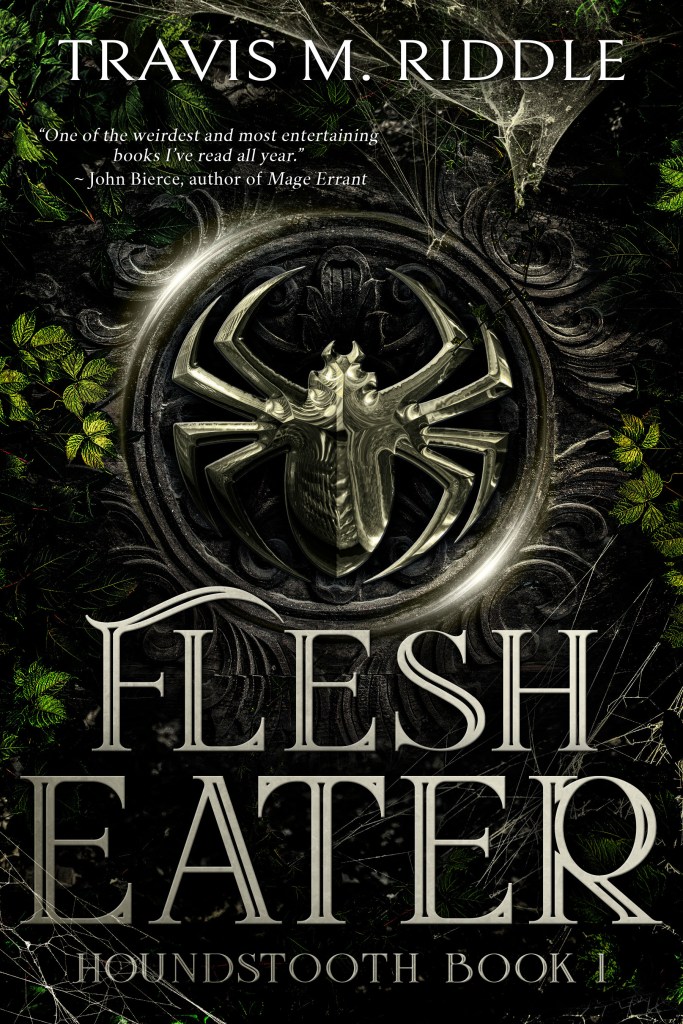
Flesh Eater

I didn’t know much about Flesh Eater going into the story other than it involved spiders and a queer male protagonist. I’m not totally sure what I expected, but Zootopia for Adults setting up an Epic Fantasy trilogy wasn’t it. Lots to love here, with a really fantastic take on an everyman protagonist. However, it’s not quite as dark as the title and cover might lead you to believe.

Elevator Pitch:
Coal is a fox with very distinctive markings. This is unfortunate considering he is a criminal. Once a librarian, he has been branded a Flesh Eater for consuming his father’s flesh. As he desperately tries to make enough money to clear his record, Coal ends up involved with the underbelly of society. He’s scrambling to get by, to survive the Emperor’s bounty hunters, and to make money any way he can. Unfortunately, life as a librarian didn’t prepare him for any of this.

Read if Looking For: extended spider-riding scenes, a normal person who acts (mostly) like a normal person would, animal societies, organized crime

Avoid if Looking For: Overpowered protagonists, clear villains, medieval tech levels, lots of magic

Continue reading “Flesh Eater”