I was a little on the fence about whether I wanted to write a full review of this one. We Called Them Giants is a short read, and probably not one that’s going to top my list of 2026 reads. However, it’s pretty widely disliked. I understand why, but I think dissenting opinions are always more interesting and useful to write about!
I think it’s impossible to talk about this one without spoilers for the ending, so I’ll break some of my normal rules for this review.
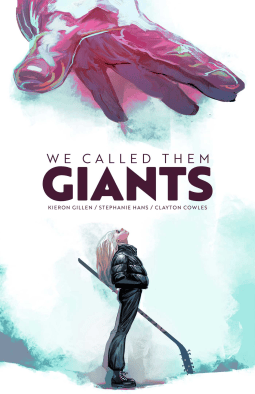
The Premise:
Humans have almost all vanished, and nobody knows why. Lori’s used to people abandoning her, but she can’t rely on herself during the apocalypse. When she and her travelling companion meet the alien creatures who presumably caused all of this, they aren’t sure if they should fight, run, or try to talk.
Read if You Like: lush & saturated visuals, mistrust during the apocalypse, aliens that feel alien
Avoid if You Dislike: endings without closure, books that could have been far longer
What Worked For Me:
So, let’s address the elephant in the room. Gillen refuses to give us a conventional or satisfying ending (this is a compliment). We spend the entire book seeing Lori grapple with finally trusting the red giant, overcoming her instincts to fight and flee. As soon as she gets over that hump, she gets herself into trouble with the other alien, and Red dies in the battle to save her. The group of three women moves on, seeking out a new pocket of safety. There’s no solution to the apocalypse, no greater alien culture for her to find allies in, and not even a true funeral for the creature she came to love. The apocalypse doesn’t allow for such niceties. It was a frank look at love and death, one that defies most storytelling conventions of how stories should end. Lori is alive, but she’s worse off at the story’s end than she was in the middle. It’s an unpopular choice, but I respect the hell out of it.
On the subject of aliens, this is great! I do love tales where alien communication is the goal (Story of Your Life by Ted Chiang comes to mind as the best example) but how on earth would a random teenager with no linguistic experience learn to communicate with a creature whose language doesn’t map onto our own? We don’t understand these aliens, other than that one sees human as life worth protecting, and another sees them as ants unworthy of attention (unless they become an annoyance). No explanations, no bonding that goes deeper than gestures of affection and safety, no insight into why the fuck these aliens came to earth, or why most humans vanished suddenly. Lori and crew are left clueless, just like most of us would be in an actual alien apocalypse. Again, an unpopular choice, but it made the whole story feel much more real.
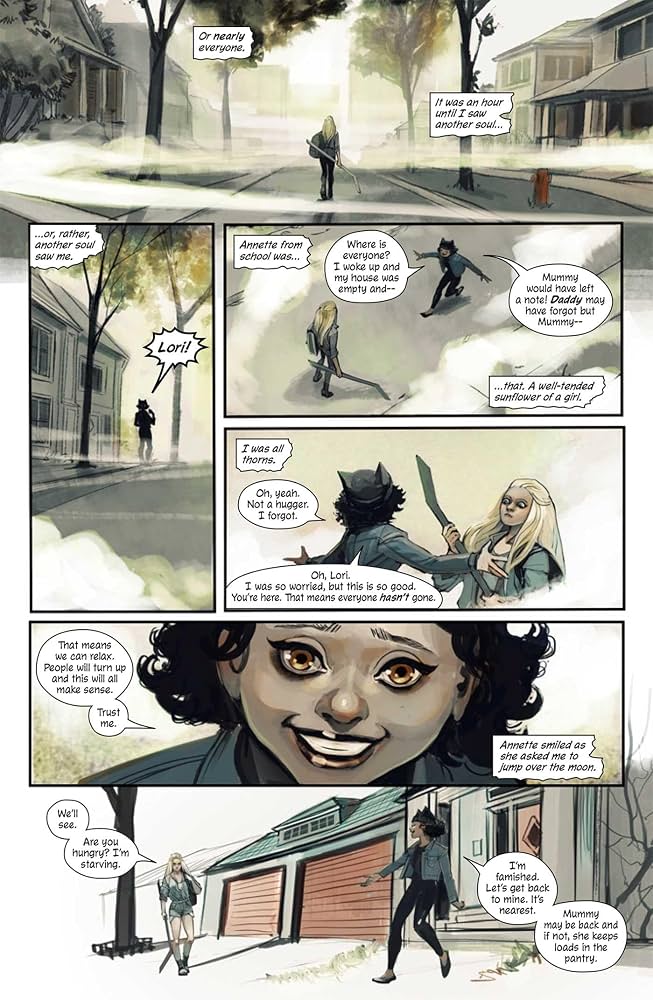
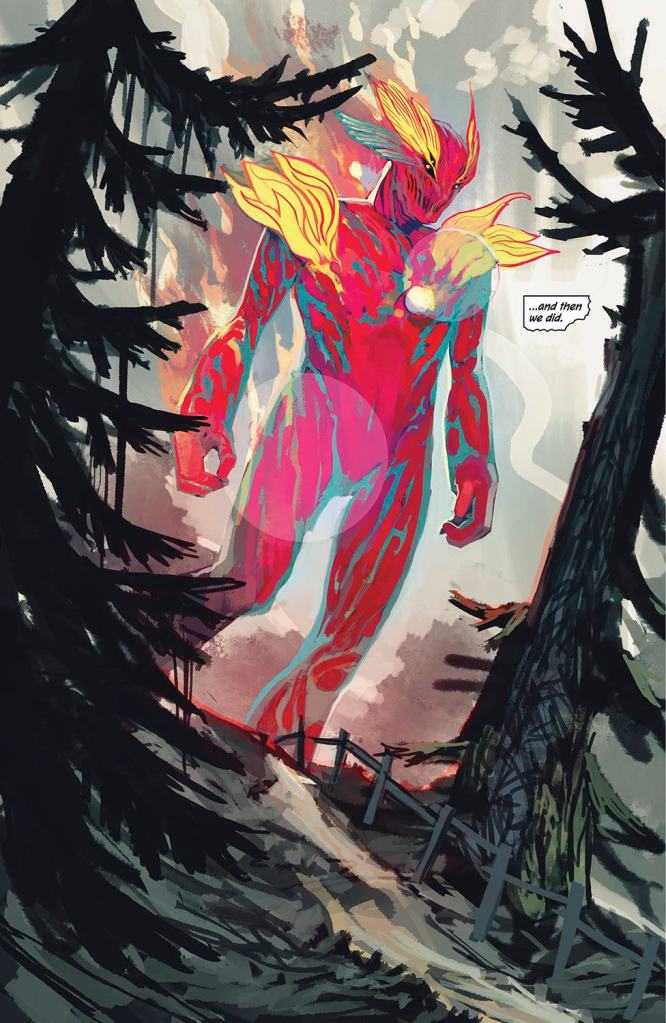
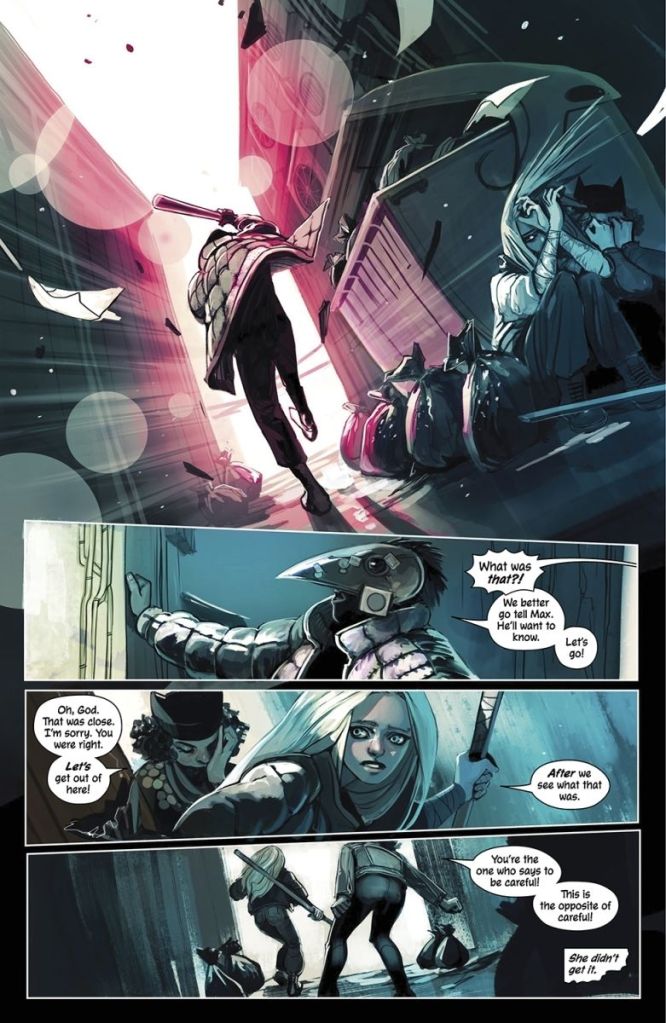
On the visuals front, Hans really worked some magic with her colors. There’s nothing particularly weird or experimental here, but I just found everything to be extremely rich and saturated. At first I worried that the comic would slide into uncanny-valley territory, but look at that alien! Having just come off reading The Absolute Martian Manhunter, which also blends color and neutrals in interesting ways, this was a very different but very successful take on contrast. It was really easy for me to sink into the story, and I plan to read more that Hans has illustrated in the future!
What Didn’t Work for Me:
I think it’s a fair criticism that this story is a bit on the basic side. There’s lots of worldbuilding ideas here, and cool ones at that! However, few of them get developed in any meaningful way. The Dogs, for example, are a gang of humans wearing bird-masks whom Lori flees from many times. However, we don’t get any peeks into them behind their masks, the culture they built, or just why they’re so evil. They exist to provide a point of conflict for Lori to grapple with, to push her towards the aliens, and little more. I’d have happily read a longer serial of this comic, one which dove more deeply into Lori’s apocalypse experience, and the amount of potential here makes for some disappointment that I didn’t get to see more things get fleshed out.
Even the main thrust of the comic – that we don’t have infinite time with those we care about, and that we should treasure the time we do have – isn’t quite developed as much as I’d have liked it to be. Again, page count is working against Gillen here, but it does put We Called them Giants in a slightly forgettable place.
Conclusion: a defiance of storytelling conventions, and one that worked for me.
- Characters: 3
- Setting: 4
- Craft: 4
- Themes: 3
- Enjoyment: 4

