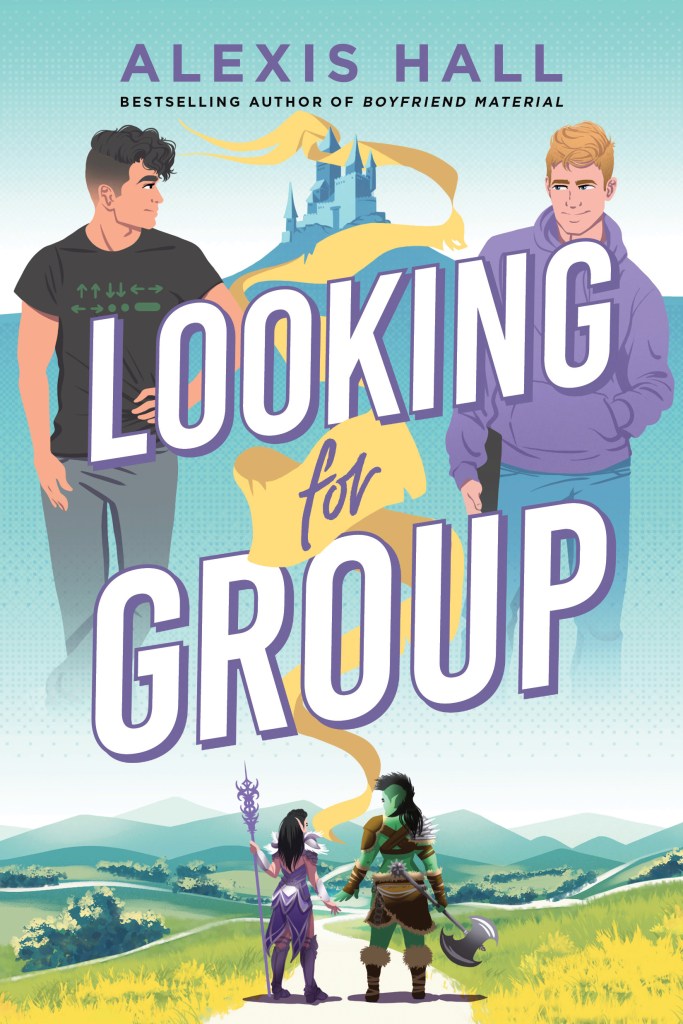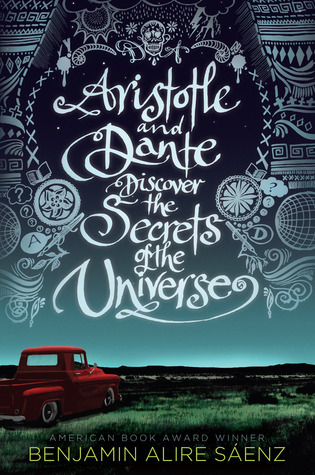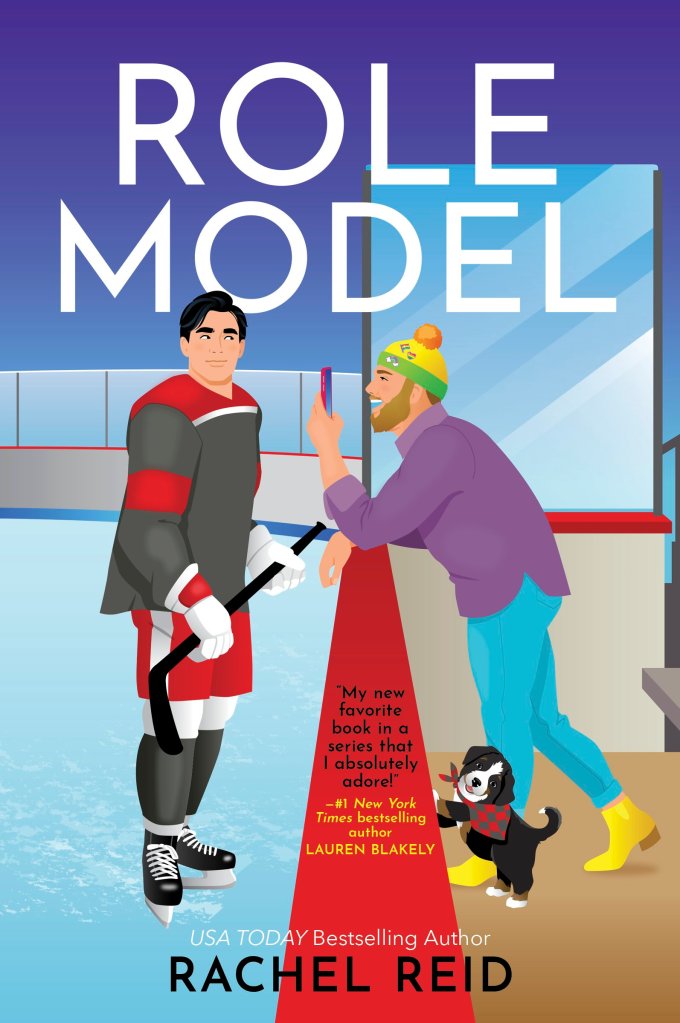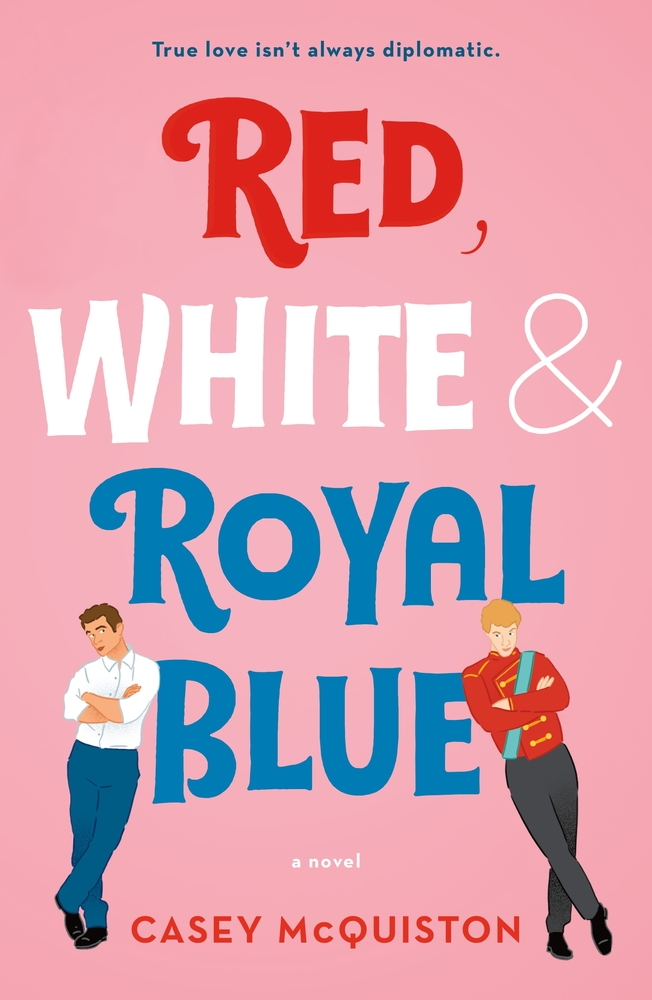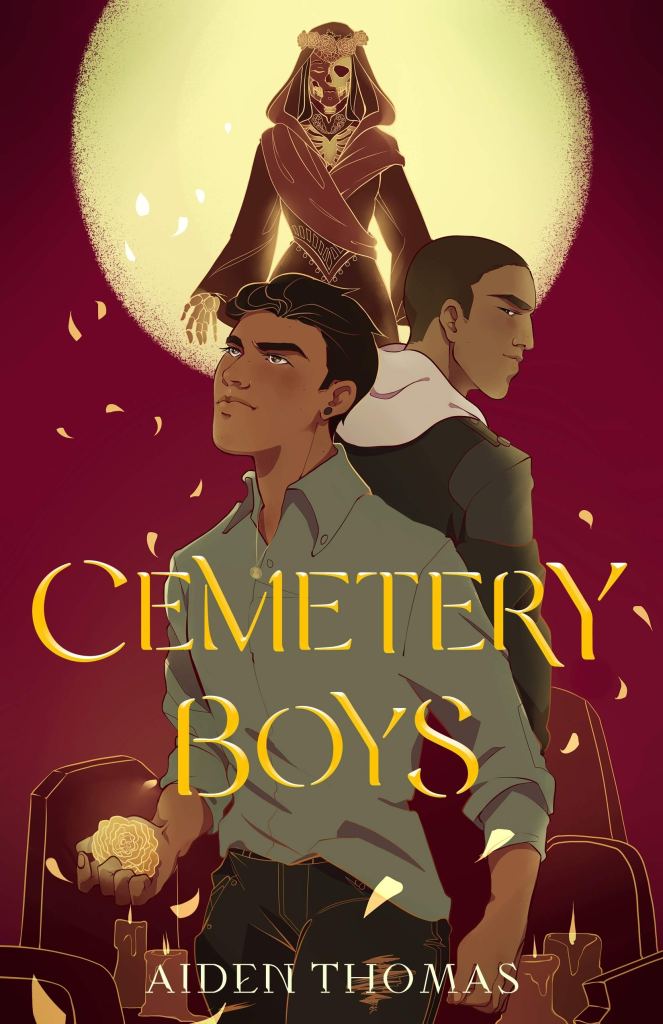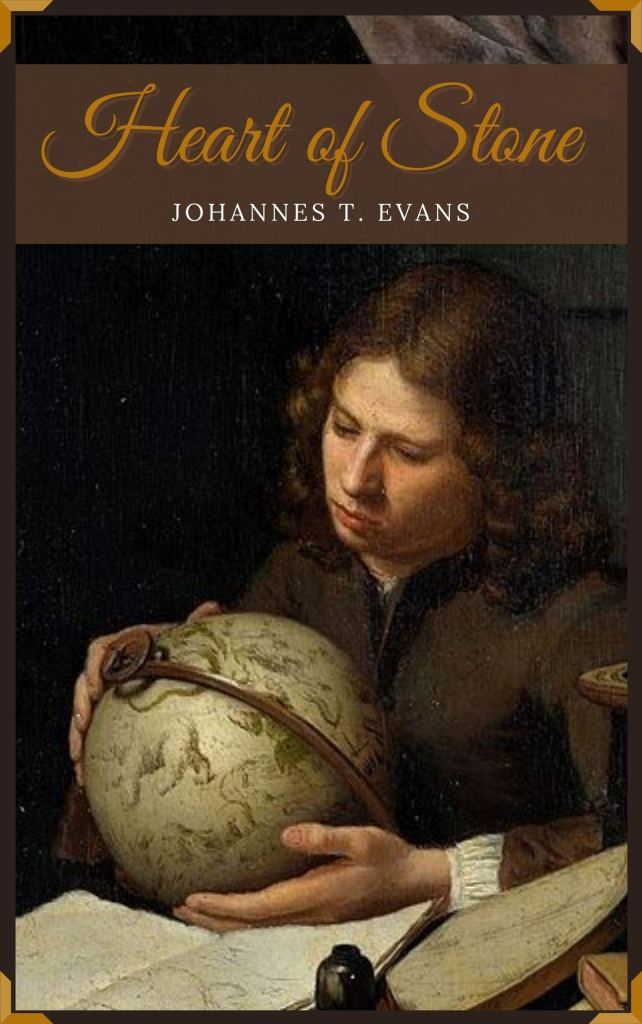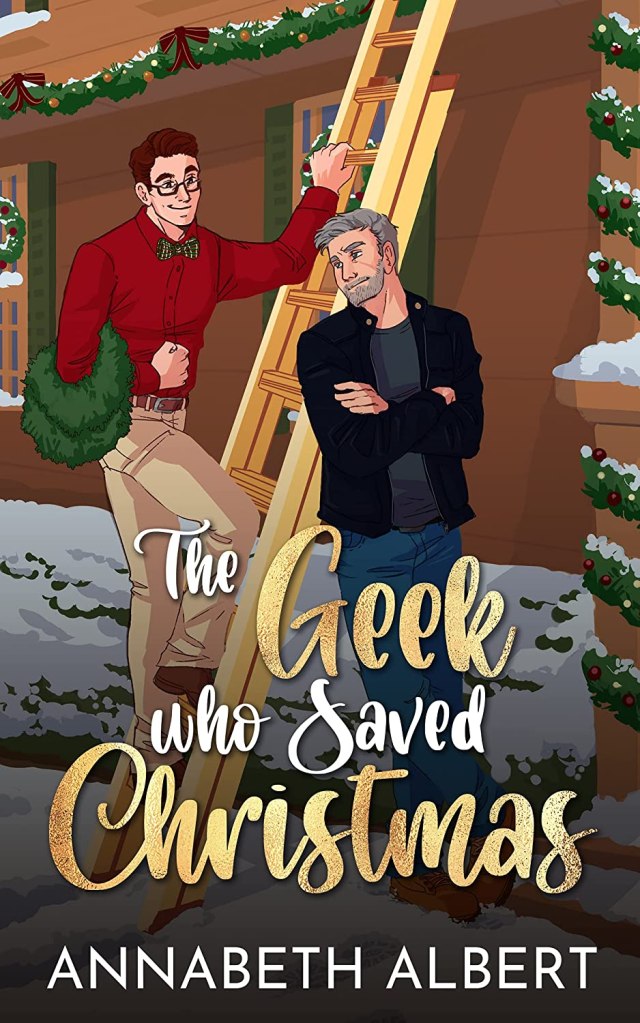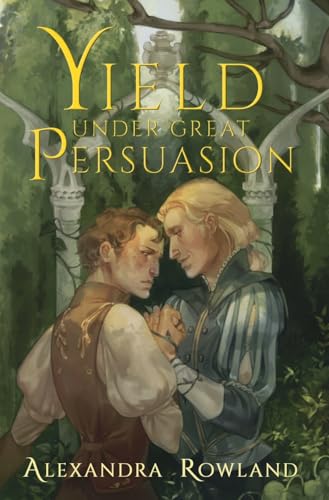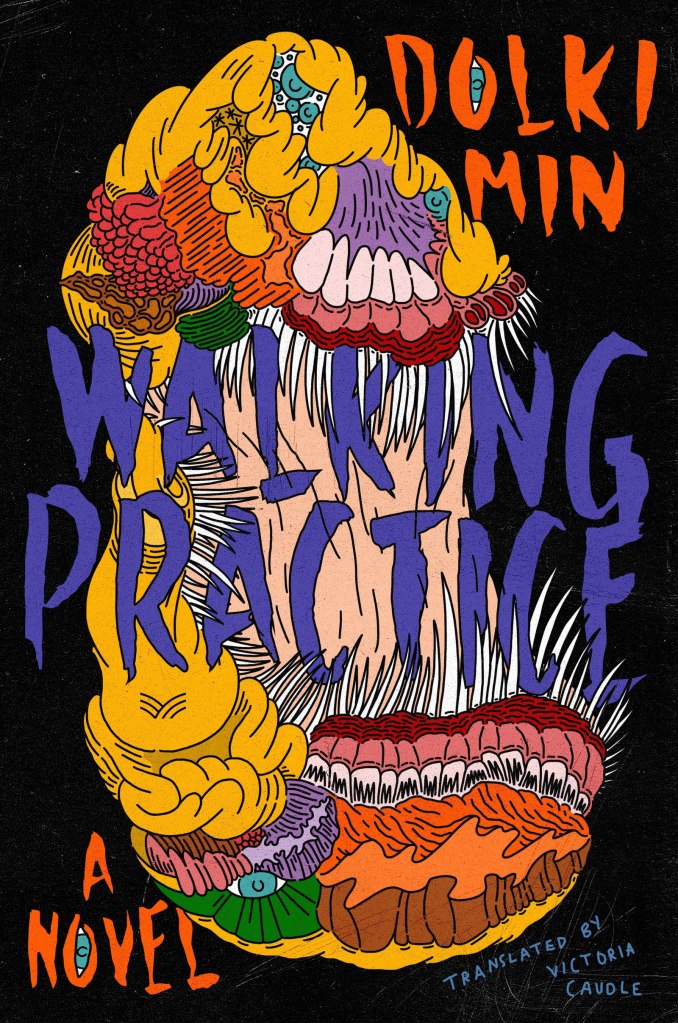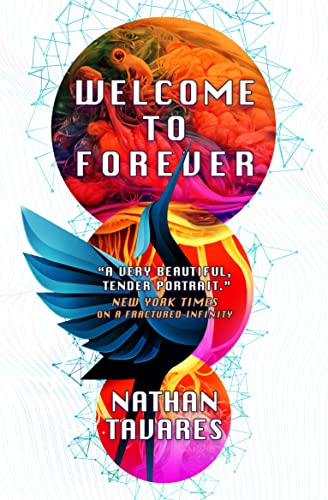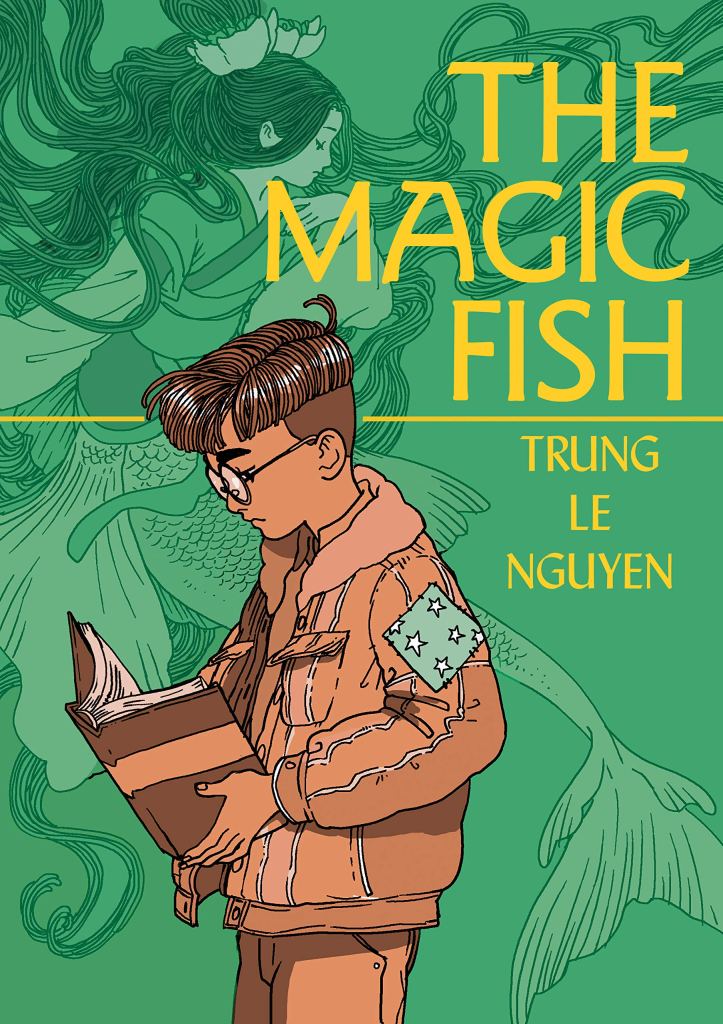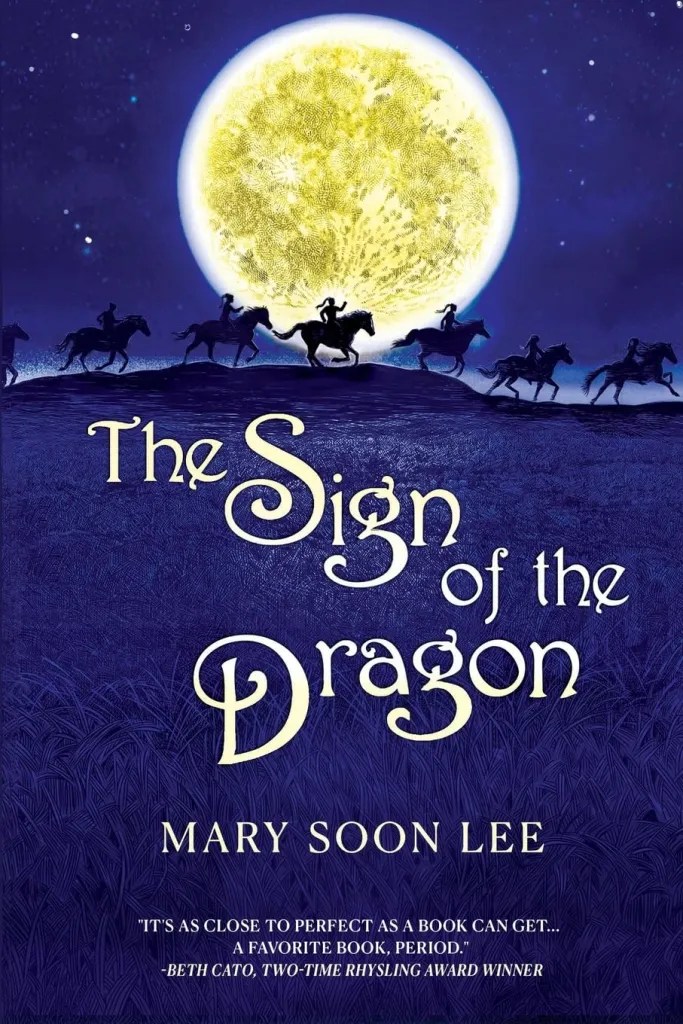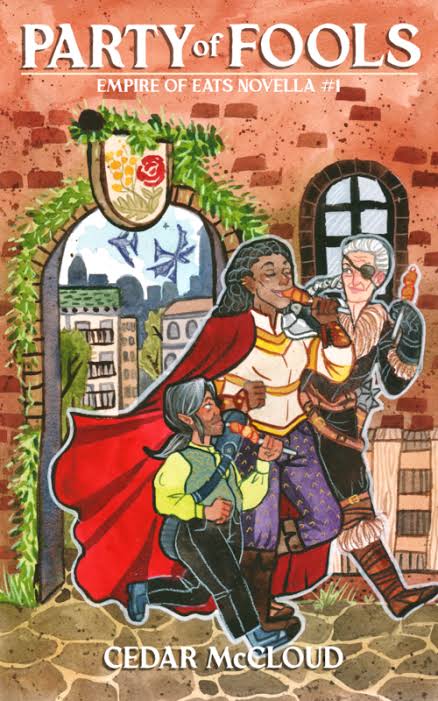
It has been interesting to see how my reading habits have shifted the more I read. Used to be that I read 20 books on a good year, and I would read series back to back if they were out. Now I’m probably going to top 200 reads this year, and it feels painful to devote time to a sequel when I could be discovering something new. It’s increased my preferences for standalone books and duologies, and my interest in long series has dwindled.
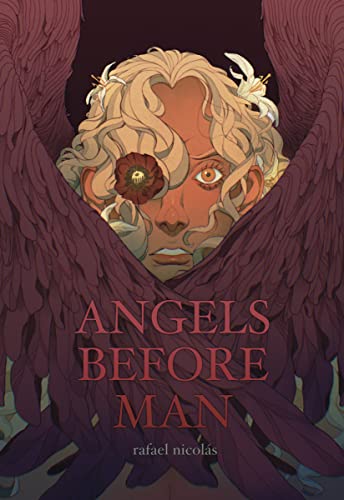
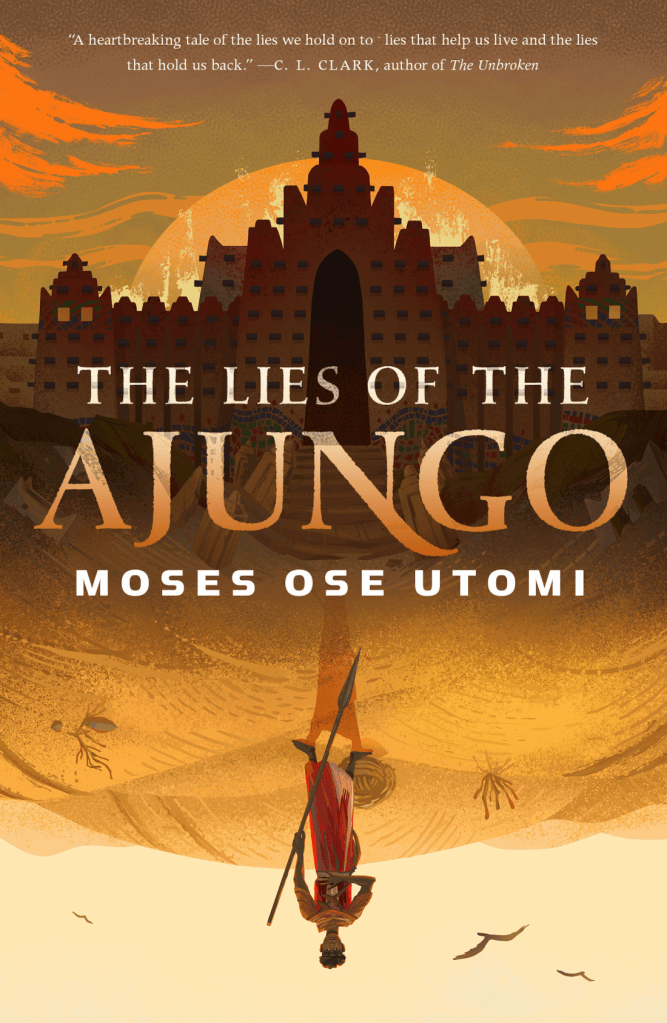
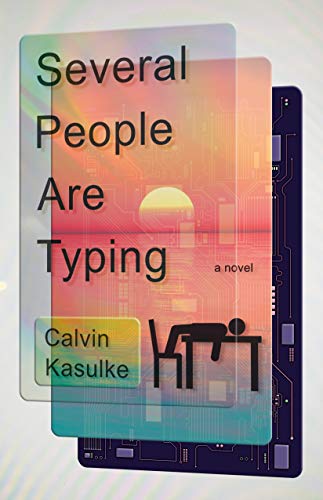
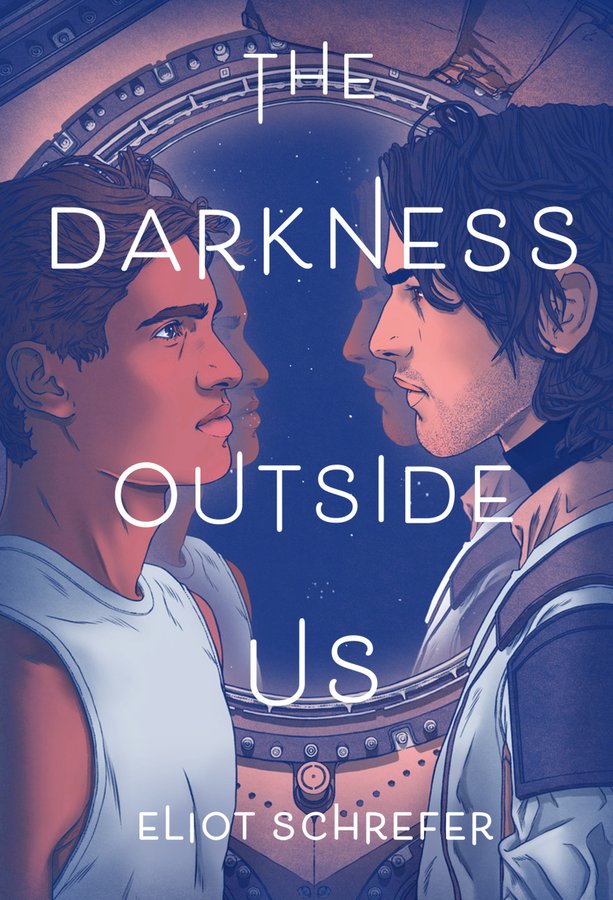
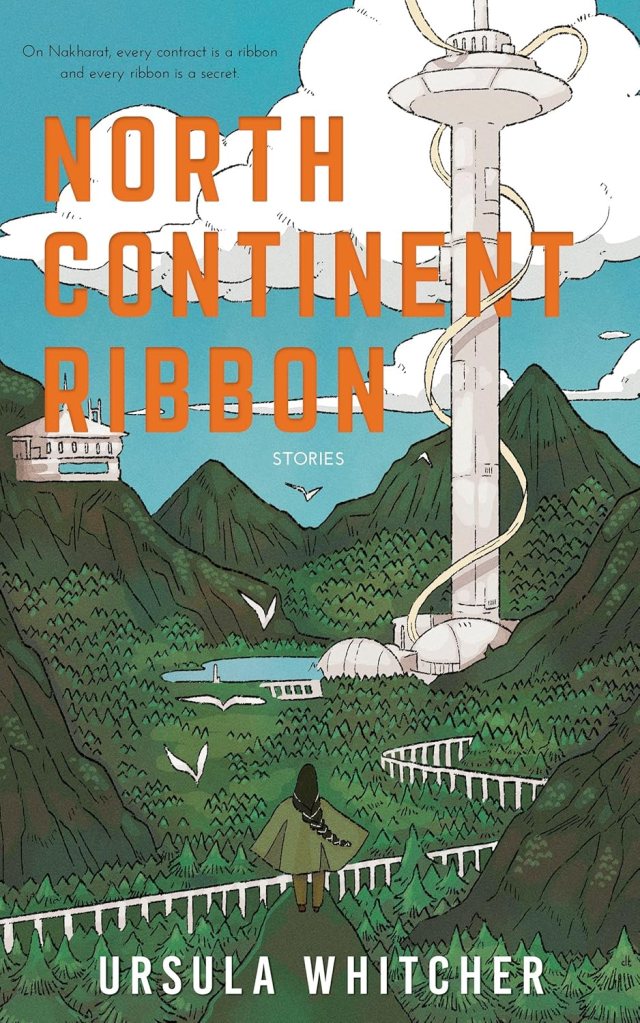
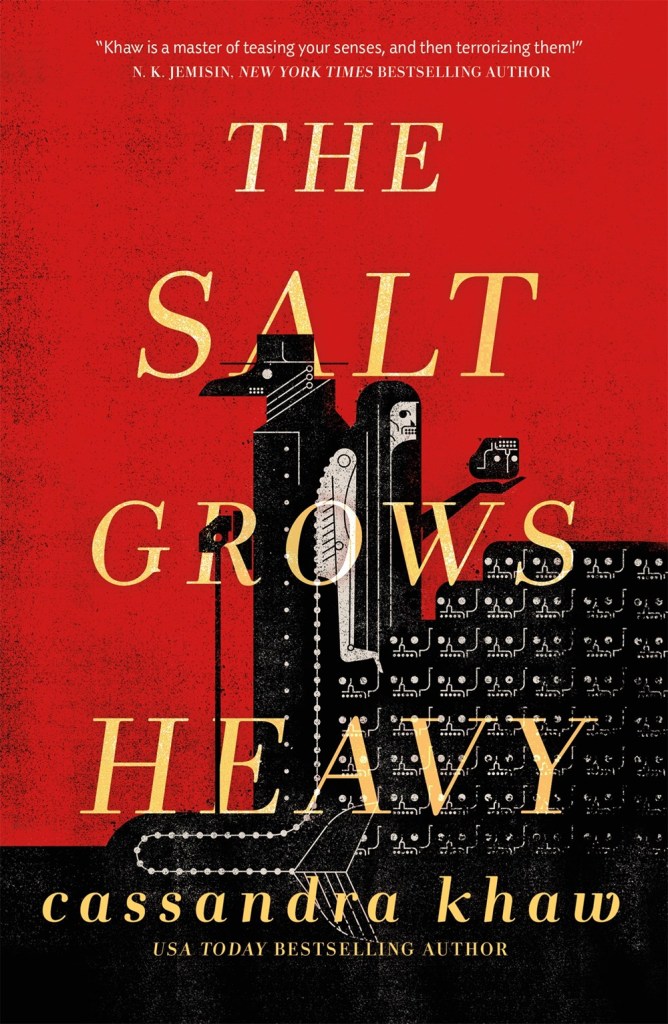
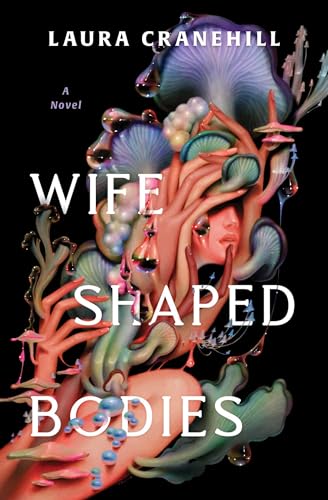
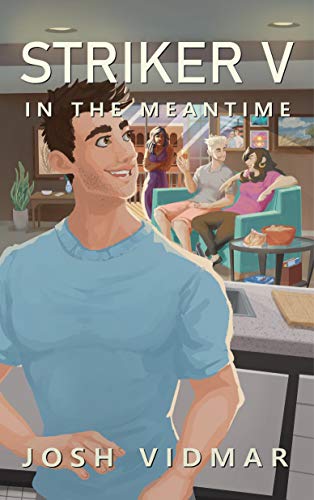
Some of these I’ve left behind for so long that I’ve forgotten important details, while others are new discoveries that I know I plan on continuing. For each, I’ve put the cover and link for Book 1 in the series.
This book has all of the elements that typically appeal to me: it’s a novella, engages with questions of linguistics and ethics, and it asks the reader to be uncomfortable. The Language of Liars blew me out of the water. The opening sections left me with the feeling that this would be a good book, worth reading and recommending, but it got better and better. Every chapter sucked me in a little bit more until I sat in bed, story finished, thinking about the ending and its implications. I was not super enthralled by the 2025 novella nominations from most major awards. The Language of Liars has the right blend of thematic ambition, accessible writing, and the backing of a traditional publisher that make it an excellent candidate, and I will be happily advocating for it to make some waves on the awards circuit this year. To anyone who likes their stories to shine a mirror on our world without being too obvious about it, this is for you. There’s enough here for me to happily teach this novella in my Genre Fiction elective, and I’m desperately hoping one of the book clubs I participate in picks it up, because there’s so much to talk about from the last few chapters.
Really, truly an excellent piece of writing. Plus, the book is short and straightforward enough that the content-to-time-investment ratio is one of the best I’ve read this year.
The Premise: Ro is a talented linguist, hoping to be the first in generations of his species to jump into another’s body. He succeeds, possessing a Star Eater who, like all of their race, mine the cosmic space dust necessary for faster than light travel. He has been trained for this moment, hoping to gather the information and skills needed to save the slow death of the universe’s society, which depends on the service (exploitation?) of the enigmatic aliens.
Read if You Like: autism-coded characters, uncomfortable questions about how you (the reader) live life, musings on linguistics
Avoid if You Dislike: straightforward prose, lack of clear solutions to problems, monolithic intergalactic governments
The Dawnhounds was the Beyond Binaries Book club pick over on r/fantasy. We had our midway discussion last week and will be wrapping it up on August 27th! This is a book that feels extremely ahead of its time, and fans of Perdido Street Station are going to enjoy it greatly. It’s the type of unapologetically political Fantasy that has been getting more and more traction, but this was written in 2019. I left feeling mixed about this book overall, but I got my concussion right around the halfway point, which definitely is when I started enjoying the book less. For those whom are drawn to the weird worldbuilding and ardently political themes, I think it brings a lot to the table.
The Premise: Yat is a police officer in a city that has adopted biotechnology to replace the steel and iron of its former oppressors. She tries to do right by the city, but as a queer woman, she gets little respect from other officers. After she is murdered and comes back to life with the blessing of some eldritch power, she gets wrapped up in a conspiracy far bigger than she can imagine. Her path takes her to a pirate crew that has answers about what happened to her, and a realization about the system she worked inside.
Read if You Like: vaguely indescribable interludes, weird cities, characters having a crisis of faith, insect bullets
Avoid if You Dislike: spores, negative depictions of police, the power of LOVE, authors refusing to explain everything
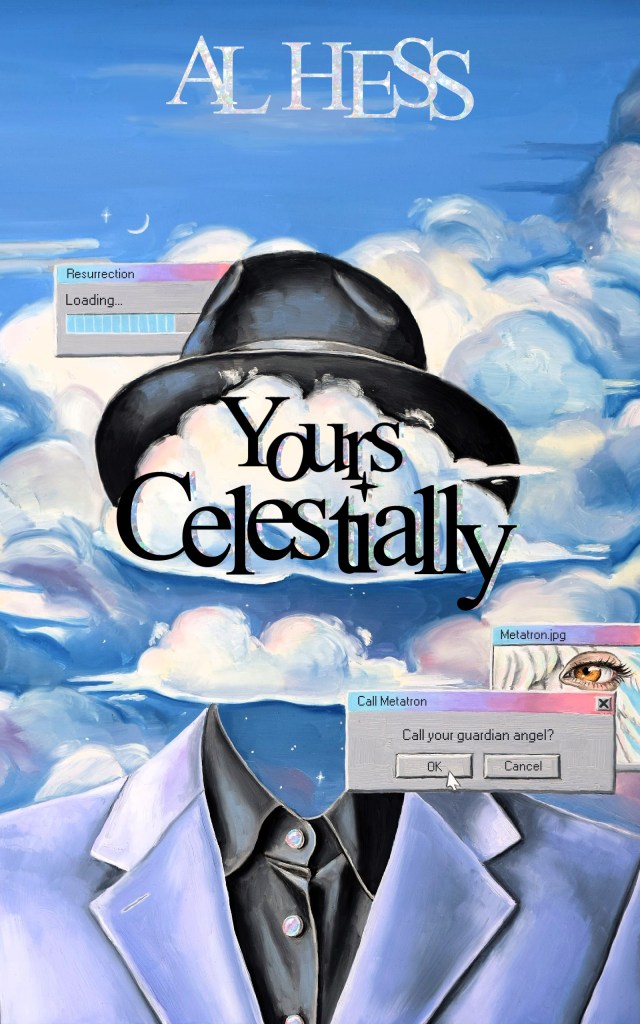
Sunyi Dean’s debut novel The Book Eaters is the type of story that I have spent three years thinking about. Needless to say, there was no question about whether or not I’d pick up her sophomore work. Craft remain Dean’s strength, as do characters that don’t quite line up with easy moral labels. However, I didn’t enjoy this nearly as much as The Book Eaters. As has been the case (and probably will continue for at least another week or two), lingering concussion effects are partly to blame. Not entirely though, I think.
The Premise: At the end of World War II, Mercy found herself on an island outside Hong Kong with no memories. Thirty years later she is a ghost talker in the haunted Kowloon district, working for the leader of the Snakeskin Triad. She been seeing visions of a drowned woman, and they’re getting worse. It turns out that an evil spirit has very special plans for Mercy, and she’s not going to enjoy them one bit.
Read if You Like: haunting visuals, competent women in their 50s, casual queer representation, ghost cat sidekicks
Avoid if You Dislike: unconventional narrative structures, shifting POV (including 2nd person), depictions of drowning
Ten years ago I’d just gotten out of college, was gearing up to be a student teacher, and was grappling with independent adult life for the first time. I also hadn’t done much pleasure reading for years; being a college English major really kills your drive to read for fun, and I had a lot of trouble getting back into my old habits. I owe Brandon Sanderson a lot for being the on-ramp back into reading. I don’t pick him up much anymore, but I’ll forever have a fondness for the sparks he lit back inside me for books.
I did my best to find the exact books I was reading on August 11 for the past ten years. Many of the earlier years are estimates, as I don’t have exact data. However, they’re certainly books I was reading that year, even if not on August 11 exactly.
For whatever reason, I’ve decided that this is the year I try and figure out what types of cozy fantasy I actually enjoy. It feels like there’s a ton out there in the mystery and/or small business owner space, ditto with cottagecore vibes. However, I’ve found that type of story hasn’t managed to hold my attention much. My favorites have all diverged from that formula pretty heavily. Chai and Charmcraft struck a similar chord to Hands of the Emperor by Victoria Goddard and The Goblin Emperor by Katherine Addison. It’s more saccharine than either of these, but retains some of the sharp edges and personal stakes that form the core of my cozy fantasy preferences.
The Premise: Faraj is the God-Emperor’s brother, gifted with prophetic visions that make him invaluable to the throne. On a single night of indulgence, he chases a vision of a man tending a Jasmine plant that has followed him for decades. This leads him to a bathhouse/brothel in the Catspaw district where he meets Asharan, the keeper of the bathhouse. The two are smitten with each other, but their encounter quickly has implications far beyond what either of them ever intended. It doesn’t help that the night brings a cat-familiar into Faraj’s life, which are banned in the palace.
Read if You Like: the politics of gossip, indulging the joy of children, fat protagonists treated with dignity, catfolk who feel like cats
Avoid if You Dislike: extended conversations, overly-sweet dialogue and internal monologue, unconventional Romance plot structures
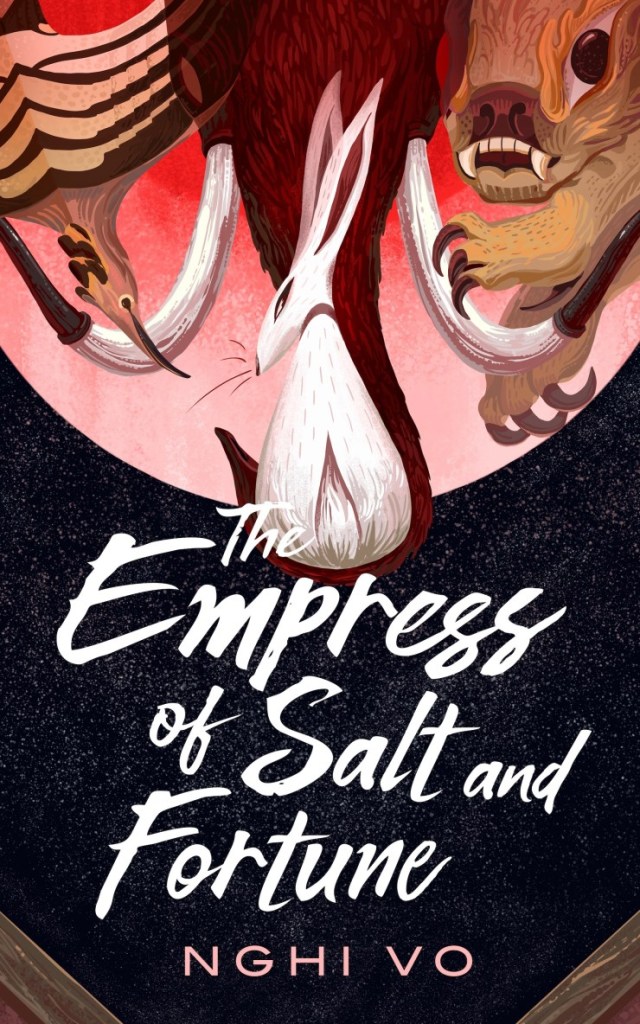
The Empress of Salt and Fortune is one of my all-time favorites, and I have a lot of love for the Singing Hills Novellas. I actually use two of them in my high school genre fiction class for a novella-focused book club. They had some of my favorite explorations of how truth isn’t always a single idea, that a story is just as powerful as an action, and using framing narratives in novel and interesting ways. This book, like some of the other recent entries in the series, mostly lacks those elements. I implore you to set aside your expectations and come in open to something a bit different. I enjoyed the book a lot more once I gave up those comparisons – it was hard though.
This is technically #7 in a series, but the novellas are all independent and can be read in any order.
The Premise: Chih is new to their job and has arrived in a river town preparing for a festival. Their purse is stolen, so they wait tables as waves of refugees enter the city. They collect stories, do their best to help others, and listen to the advice of Almost Brilliant. Mostly though, they’re desperately trying not to fuck up while they fake it until they make it.
Read If Looking For: mouthwatering food descriptions, a story focusing on Chih, sassy birds, the exhaustion of working multiple jobs
Avoid If Looking For: fresh examinations of refugee themes, explorations of truth and multiple perspectives
Hench is the book that relaunched my interest in Superhero media. It wasn’t the first to deconstruct whether or not the heroes are the good folks, not by any stretch of the imagination. However, it brought a modern take to the genre and reveled in delicious ambiguity. Villain was one of the releases I was most excited about this year. I think Hench is the stronger novel overall, but the highs in Villain are much more delicious and psychological.
This review will include plenty of spoilers for Hench, so I’d avoid continuing unless you’ve read it. See my review for that book here.
The Premise Supercollider is nothing more than a ball of flesh, and isn’t long for this world. Leviathan and Anna (though now Auditor is more appropriate) have set their sights on The Draft, which is putting together a fresh response to the new strategies put forward by this villainous duo.
Read If You Like: the horror of involuntary medical procedures, competence porn, passing the point of no return, casual inclusion of mobility aids
Avoid If You Dislike: whiny antagonists, toxic romances, mandibles
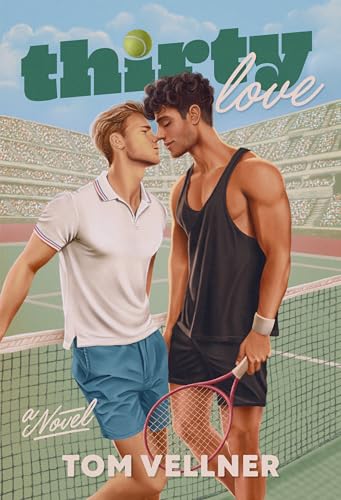
I am a shallow man. I see a pretty Sports Romance cover, and that’s enough for me to dive in headfirst. This is Edward Schmit’s debut novel, and he’s an author I’ll be eagerly awaiting more from! This wasn’t a perfect book, but it was such a contrast to Cut & Run that it made me feel optimistic about the state of m/m Romance. This is a much more raw book than Romances usually go for: id doesn’t lay the drama on too thick and hits strong emotional beats. It’s a balance can be hard to strike, but this one really worked for me.
The Premise: Austin is the first openly gay male tennis player to compete in a Grand Slam. He’s excited to compete, but the media around his ‘historic accomplishments’ are making his anxiety attacks worse, and he’s also caught the eye of world #2 Diego. They’re set for a collision course in the tournament, but that doesn’t stop either of them from catching feelings.
Read if You Like: realistic characters, third act breakups that make sense, mental health as a focal point
Avoid if You Dislike: ghosting, protagonists who sometimes act like jerks, rushed timelines
Cut & Run is a cult classic amongst the Queer Thriller crowd. It’s coming up on being two-decades old and recently got reprinted, so I knew I was going to pick it up. It has a reputation for being on the ‘mindless fun’ side of books, and it fit that brief delightfully. I’d been feeling a bit of burnout on reading, and this required so little brainpower that it started to fill my cup again. However, I also think it’s a good benchmark of what ‘well written’ gay love used to look like. It feels dated and a prime example of what happens when queer men are written with a straight female audience in mind.
This review will (in part) explore how this book gets writing queer men wrong. Many of these elements are frustrating patterns that still pop up in new releases. However, I want to anchor all of this with the idea that Roux & Urban were writing queer men long before it was seen as profitable, though they definitely profited. I wish we’d moved past the types of writing I found here, and I’m also thankful that they paved the way for better representation to follow.
I bear no ill will towards these authors and books, but this read was enough to convince me that I didn’t want to continue following these characters.
The Premise: When a serial killer goes after the FBI agents investigating him, the Bureau takes an unusual step of assigning a new partnership to catch him. Ty is a loose cannon who recently fucked up a deep-cover case. Zane is a buttoned up agent from Cybercrimes who is trying to climb the ladder. They immediately decide they can’t stand each other.
Read if you Like: coworkers who hate and lust for each other, sexy fistfights, melodramatic serial killers, pulpy thrillers
Avoid if you Dislike: quality queer rep, there’s literally only one possible suspect, claustrophobia