Shigidi and the Brass Head of Obalufon

Speaking generally, I think comparisons to other books does a disservice to individual books. In official publishing industry pitches, this is especially egregious, where every book is _____ meets _____. While Shigidi and the Brass Head of Obalufon absolutely stands on its own merit, it shares a lot of DNA with American Gods, and, considering that many readers are no longer interested in giving Neil Gaiman their money anymore, Shigidi is a phenomenal take on gods and modernity.

The Premise:
Shigidi is a nightmare god. Well, a retired nightmare god who escaped the Spirit Corporation grind and now works freelance to try and gain the prayers and souls needed to sustain him. He and Nnemona, his succubus partner, are offered a final job to clear their debts away and open an opportunity for a life in their homeland. But it means breaking into the London Museum through their tight security. This book drifts between years, exploring the current and past dilemmas facing Shigidi and Nnemona, culminating with their final caper.

Read if Looking For: modern interpretations of myth, three dimensional characters, bisexuals everywhere

Avoid if Looking For: tightly focused ‘heist’ books, fast pacing

Continue reading “Shigidi and the Brass Head of Obalufon”

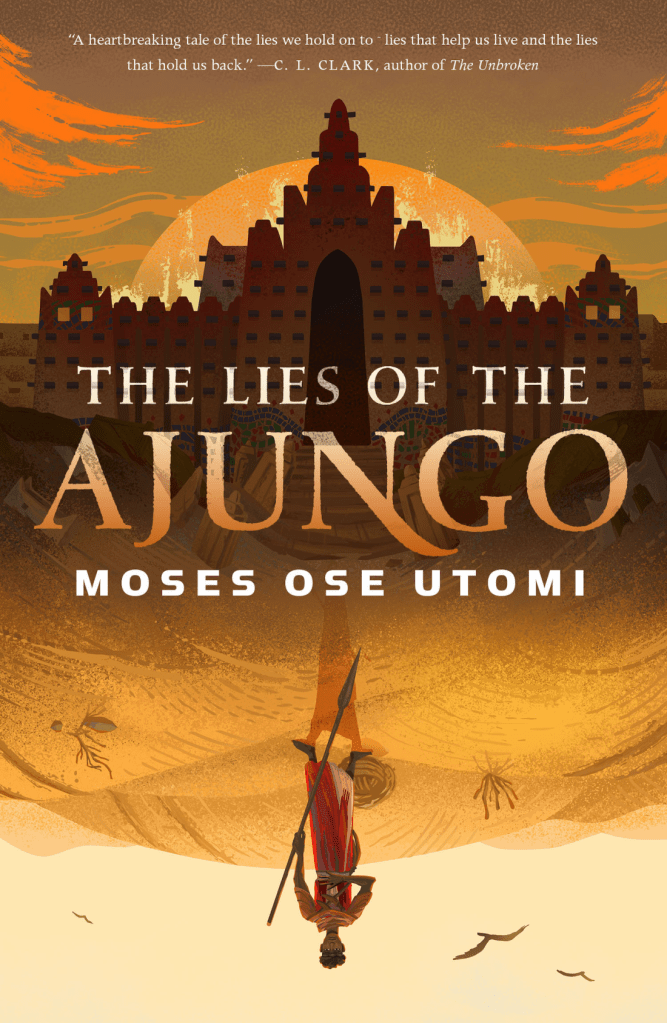
The Lies of the Ajungo

I stumbled on this book as I was hunting down novellas for a genre fiction unit I plan on teaching soon. Books that invoke older storytelling techniques and moods are a big draw to me, and The Lies of the Ajungo has the feel of lots of classic fables and myths in it’s style and presentation. While not technically a debut since Utomi released a novel a month earlier, this book shows a remarkable level of mastery over pacing and tone for someone so early in their publishing career. The sequel is on my shelf right now, calling my name to grab it soon.

The Premise:
Water is scarce in the City of Lie. To appease their overlords, citizens of the city cut out their tongues in exchange for access to water and food. Tutu isn’t yet old enough to lose his tongue when his mother grows ill. To save her life, he goes to the city’s rulers. In exchange for enough water to keep his mother alive, he will journey to try and bring back water for everyone in the city. He is not the first to take this quest, but none of the other children have ever returned.

Read If Looking For: novellas that don’t overextend themselves, fable-esque stories, sassy aunties

Avoid if Looking For: complex and layered worlds, flashy magic

Continue reading “The Lies of the Ajungo”

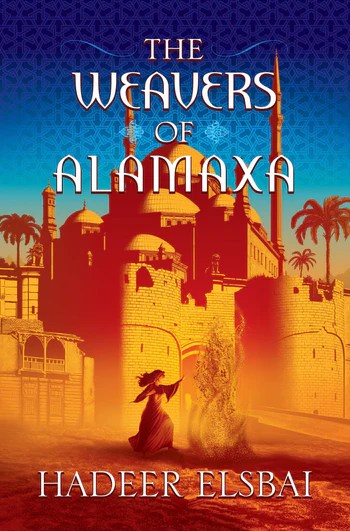
The Weavers of Alamaxa

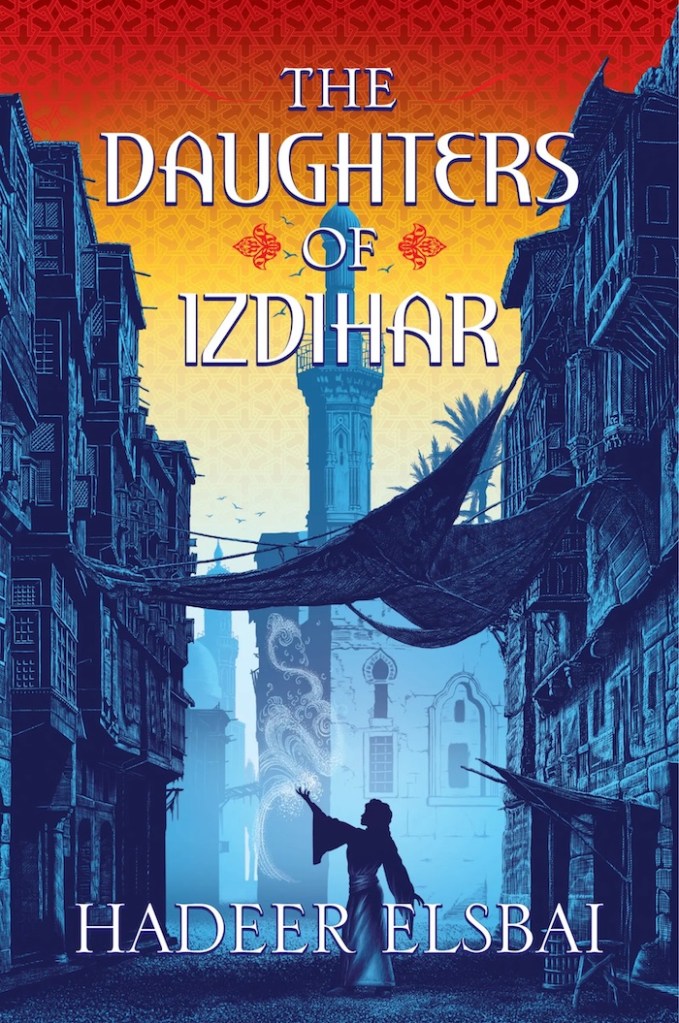
The Daughters of Izdihar was a phenomenal novel. I loved it for the nuanced female relationships, examination of privilege within activists movements, and nuanced thematic work that was willing to put aside traditional plots to build something fascinating. Unfortunately the sequel is none of these things, and was a disappointing second half to this duology.

The Premise:
This book picks up with Nehal and Giorgina separated, but with war in Alamaxa. The Zirani are seizing the city, with Giorgina drafted into in its defense in exchange for her freedom. Nehal has been kidnapped by the Zirani, and finds herself far from home.

Read If Looking For: avatar-esque magic in an Egyptian inspired setting, tidy endings

Avoid if Looking For: sequels that build on the strengths of it’s predecessor

Continue reading “The Weavers of Alamaxa”

The Daughters of Izdihar

It’s rare that a one line pitch for a book makes me immediately spring for a novel (Lesbian Necromances in Space didn’t get me for Gideon the Ninth) but when I heard ‘women’s rights movement in an industrial-age Cairo analogue” this went straight to my bookshelf. And while the description isn’t perfect – it should mix in some Avatar the Last Airbender references – it’s pretty darn close, and an excellent execution of that concept.

The Premise:
This book follows two women: Nehal, a noblewoman in an arranged marriage who wants to join the army, and Giorgina, who works in a bookshop and is grappling the love of her life got marrying to Nehal against his will. The book’s primary focus is how each of them interacts with the women’s rights movement ‘The Daughters of Izdihar’. There are protests, speeches, multiple prison cells, anti-weaving (bending) sentiment, and a looming war with the neighboring country.

Read If Looking For: nuanced examinations of feminism and misogyny, complex relationship dynamics

Avoid if Looking For: novel depictions of magic, violence-forward stories

Continue reading “The Daughters of Izdihar”

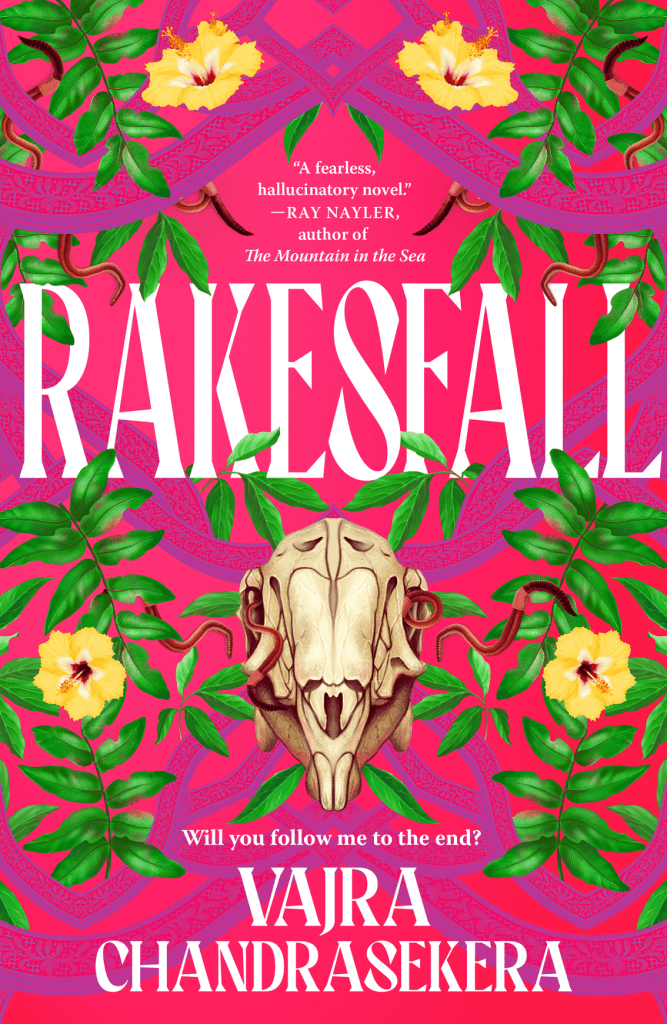
Rakesfall

The Saint of Bright Doors (Chandrasekera’s first novel) has been raking up award nominations from pretty much every major award, whether it be popular vote, juried, or a combination. It’s also a book I enjoyed quite a bit. I initially hadn’t because weirdly enough psychadellic tracings of two lovers across timelines/memories/reincarnations/whatever is weirdly popular in 2024 releases (see Welcome to Forever, Emperor and the Endless Palace, and Principle of Moments), and I’d already read a few. However, when comparisons to one of my favorite novels of all time, The Spear Cuts Through Water, were made by some reviewers, I knew it was time to give this acid-trip of a book a try.

The Premise
The cover blurb from another author calls this a ‘fearless hallucinatory novel’ and I think that’s about as good of a description as I can give. It traces two souls reincarnating further and further into the future, with a tight focus on Sri Lanka. Each of the ten parts is written in a different mode, or style, such as people in a TV watching a TV show where they are a documentary watched by the characters, a play performed about things that happen in the future, and mad semi-poetic allegorical ramblings about the color red.

Read If Looking For: Experimental Literary Fiction, layered metaphors, books that benefit from easy access to encyclopedias and dictionaries

Avoid if Looking For: light or mildly difficult reads, anything remotely straightforward in plot or structure

Continue reading “Rakesfall”

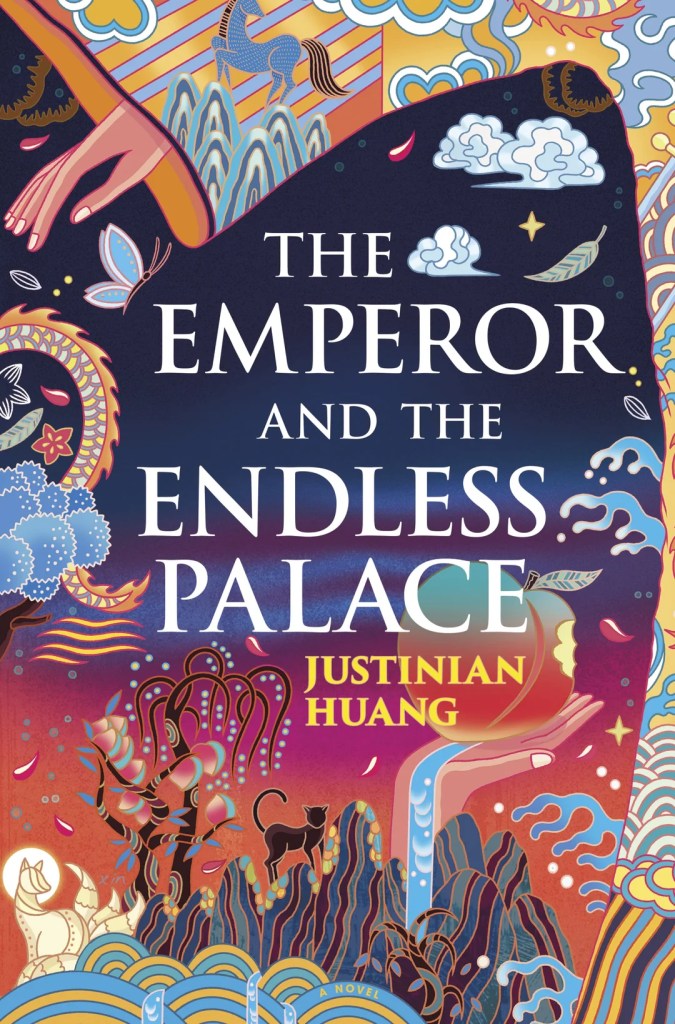
The Emperor and the Endless Palace

Reincarnation and recursive gay romance books seem to be a running theme of 2024 releases. I didn’t read all of them, but The Emperor and the Endless Palace seemed like the type of gay romance that was going to push past the cliches plaguing gay romances both in and out of fantasy spaces at the moment. And despite some classic debut-novel issues, it was exactly what I was looking for.

The Premise:
Two men, soulmates, find each other across various lifetimes. Dong Xian is a clerk at the Endless Palace 2,000 years ago, scheming for power. He Shican is something of a lost soul, an innkeeper in the woods of China in the 1700s. And River, who immigrated to America as a young child, is has recently come out and is exploring his identity in the hedonistic LA queer community. As their stories progress, so too do they intersect, replay, and unravel.

Read If Looking For: romances that aren’t quite Romances, looping narratives, lustful gay men, historical queer representation

Avoid if Looking For: saccharine queer stories, or books that aren’t romance heavy

Continue reading “The Emperor and the Endless Palace”

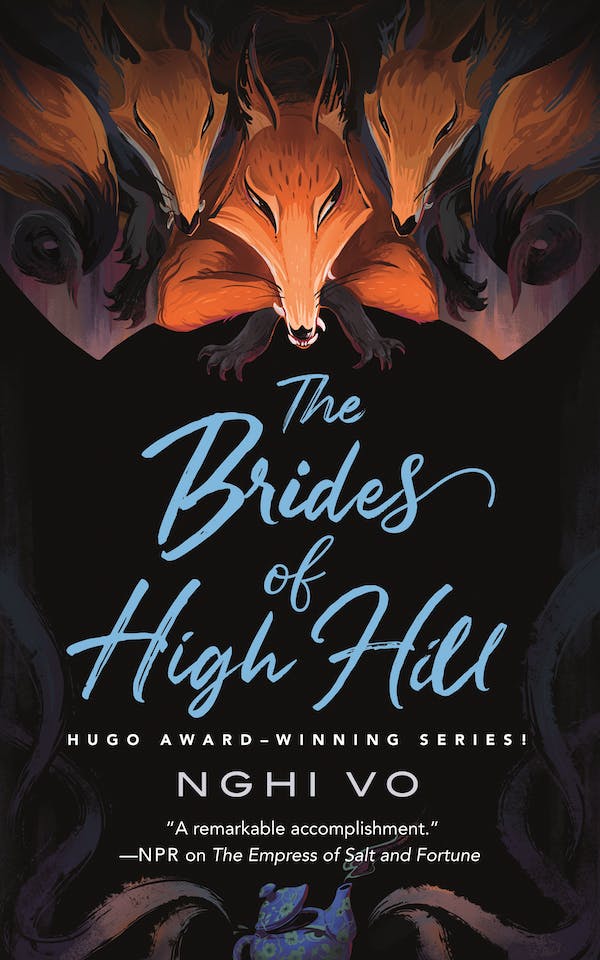
The Brides of High Hill

I’ve got a great love for The Singing Hills Cycle, and picking up the newest release was a relatively easy decision for me. The series of novellas focuses on a historian cleric on various adventures, collecting the stories of the people and creatures of their world, which has clear Chinese and Mongolian influences. Storytelling, perspectives, and the meaning of truth are running motifs throughout the series, and they can be read in any order.

Elevator Pitch:
A historian cleric accompanies a young girl to her wedding, only to find that there is something dark going on in this house.   The girl’s future husband has a mysterious past, the servants are tight lipped, and the cleric’s companion bird isn’t at their side to offer advice.  And the cleric has a crush on the girl about to be married, and is desperate to save her from what they see as a potentially disastrous situation. 

Read If Looking For: gothic horror, haunted houses, light mystery elements, quality prose

Avoid if Looking For: deeply thematic works, traditional fantasy storytelling

Continue reading “The Brides of High Hill”

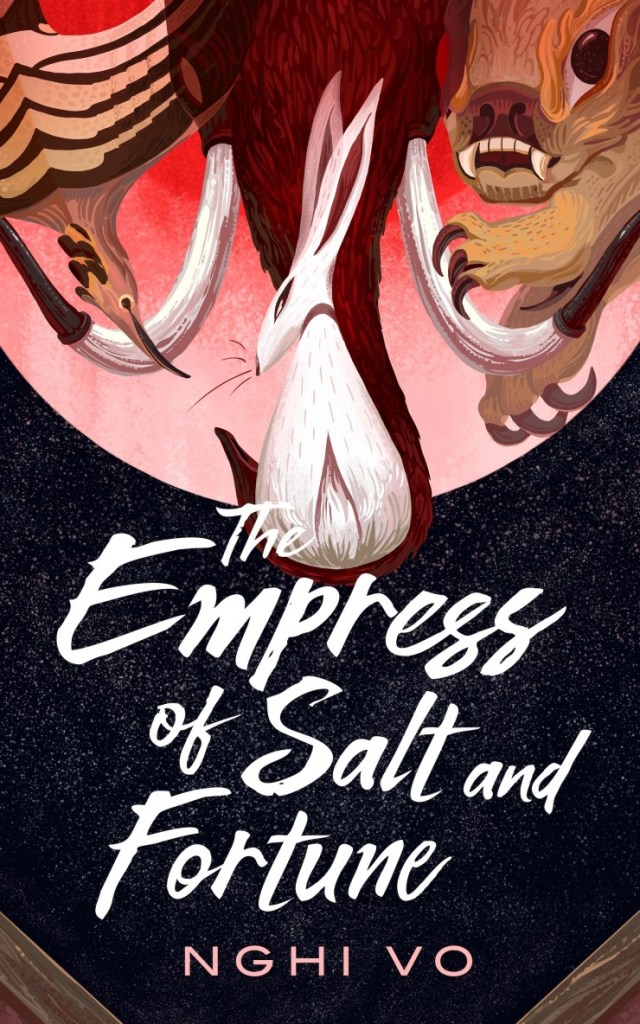
Empress of Salt and Fortune

I credit my relatively newfound love of Novellas to Empress of Salt and Fortune. I used to be the type of reader who loved doorstopper books – and I still do! – but had a ‘more is always better’ approach to books. Now, I think that the length of a novella gives space for writers to do really interesting, focused stories. I tend to find them more cohesive on the whole, and Empress of Salt and Fortune is a great example of Novellas at their finest.

The Premise:
The Empress has died, and the spell sealing the home she spent exile in has lifted. At this lakeside villa where she lived after bearing the Emperor’s son and was cast aside, ventures a cleric of an abbey devoted to historical knowledge and truth. Joining them is their eidetic bird companion, and the Empress’s closest handmaiden. Rabbit shares her stories from her time with the late Empress with Chich (the cleric), reminiscing about the past and dwelling on what was was truly important.

Read If Looking For: framing narratives, the human impact of rebellions, emotional stories, character studies

Avoid if Looking For: traditional action and politics to happen on screen

Continue reading “Empress of Salt and Fortune”

Convergence Problems

I don’t read a ton of short fiction, but I’ve been trying to pick up more anthologies after loving Exhalation by Ted Chiang. Convergence Problems features the story A Dream of Electric Mothers, which is one that had been on my list to try out. What I found was a book of stories I burned through in a few afternoons.

The Premise:
As an anthology, there’s no single pitch I can make for this book. All I can say is that, in general, the stories tend to focus on the intersection between technology and belief, oftentimes centering Nigerian characters, cultural beliefs, and societal concerns.  It also has more than a few stories examining consciousness and memory.  There were also a good number of near-future stories that felt scarily plausible, and examined how the impact of our actions today will primarily affect those who were least responsible for creating them.  There was also a moderate amount of queer representation, which was much appreciated (I’ve found it’s usually an all or nothing thing in short fiction anthologies).

Read If Looking For: anthologies, gorunded Sci Fi, parallel storytelling, the link between cultural beliefs and technology,

Avoid if Looking For: a novel,

Continue reading “Convergence Problems”

Masquerade

I’ll be honest that Masquerade was a bit of an impulse purchase. Heterosexual romance focused books aren’t something I read a ton of, but the idea of a Persephone story in precolonial Africa was intriguing. Certainly it’s got a lot more going on than most Romantasy books do, and I appreciate the big choices made.

The Premise:
Òdòdó is a witch (more specifically a blacksmith) one of the many women who craft weapons and tools all while being looked down upon. And then, after her town is captured, she ends up dragged across the continent engaged to the king of Yorubaland, who claims he will do anything to earn her love. But she quickly starts finding that she went from one cage to another; this one is just more gilded. But she also finds herself attracted to the King, and the tension between these two ideas forms the core of the book.

Read If Looking For: romance with a twist, competent characters, evil characters

Avoid if Looking For: high fantasy

Continue reading “Masquerade”