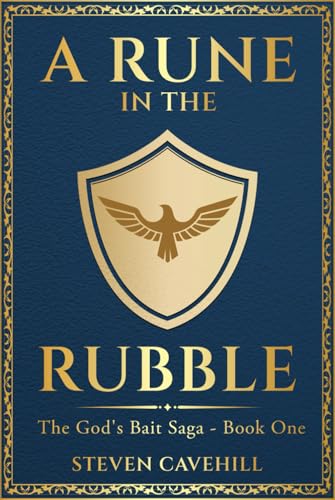
One of my goals in 2025 was to read more truly unknown books. Some of my favorite reads have been nearly unknown, and popularity is no indicator of quality. Steven Cavehill’s pitch for his book on r/queersff caught my eye, and I mentally bookmarked it for when I started one of my kindle binges. It’s got some classic high fantasy and dystopia elements, and was a fun read. I’ll definitely pick up the sequel, but I also hope that Cavehill goes through a final round of line-edits on his writing next time around.
The Premise:
Rhys is a city guard relegated to paperwork, much to the disappointment of his noble family. He’s dating the mildly possessive leader of the demon-hunter Rangers, an organization he’s working to join. Ambrose is a half-elf thief desperately trying to buy a better life for his younger brother. The two are on a collision course when Ambrose robs a noble runesmith, accidentally causing the house to burn down and starting a manhunt for him. A manhunt Rune is placed in charge of.
Read if Looking For: asshole families, always another secret, tropey fantasy characters, overly-dependent relationships, notices at the start and end of sex scenes
Avoid if Looking For: polished writing, characters who see the plot coming at them, books free from fantasy racism (elves)