
Despite being a middle/high school English teacher, I don’t actually read much Middle Grade or Young Adult works these days. Sometimes I’ll preview a book for class, but rarely for personal pleasure. Oddly, the vast majority of YA that I read is horror, despite it not really being my favorite genre (it’s growing on me, I promise!). I picked up Don’t Let the Forest In in as some first steps to introduce more aro/ace representation into my reading diet. Overall, I thought this was a good book, and one that I’m glad I read. While I think some elements will frustrate readers who primarily pursue adult books, I think it’s got enough good things going on to be worth recommending to a broad variety of people.
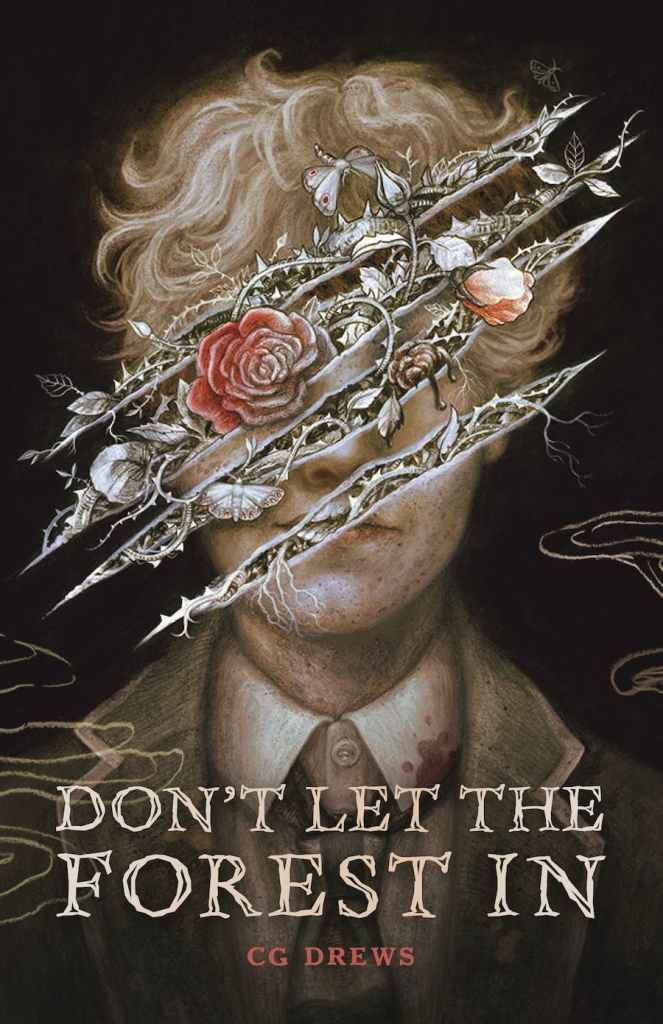
The Premise
Andrew and his twin sister Dove attend a prestigious and remote boarding school, courtesy of a rich (and largely absent) father. Dove is a straight-A student, but Andrew is listless, reserved, and anxious. The only thing keeping him afloat (other than Dove making sure he doesn’t fail any classes) is his best friend/roommate/crush Thomas. Thomas is wild and abrasive, the visual artist to Andrew’s creative writing. But Thomas’s parents are missing, presumed dead, and Thomas is a prime culprit. Things between them aren’t the same as they used to be, and that’s before Andrew realizes that creatures from the forest are trying to attack the school every night.
Read if You Like: unreliable narrators, endings that stick the landing, impactful twists, creepy forest monsters
Avoid if You Dislike: archetypical side characters/set dressing, romantic tension derived lack of effective communication, slow pacing

 Marked for Plot