Interview With The Vampire – A Turning Point in Vampire Stories

Interview with The Vampire has been on my read list for a while. Actually, I’ve been interested in exploring the history of vampires a bit more deeply once I realized that the three original vampire novels (The Vampyre, Carmilla, and Dracula) are all super queer. Interview with the Vampire represented a shift in how modern vampires were written. Rice placed them at the center of the tale instead of as an antagonist to be vanquished. As with its predecessors, it’s also super queer-coded. I think I came into the novel with incorrect assumptions about what this book would be, which led to this being a more disappointing read than I was hoping for.  In the end I enjoyed it, but I wish discussion about the book was more accurate to the reading experience.
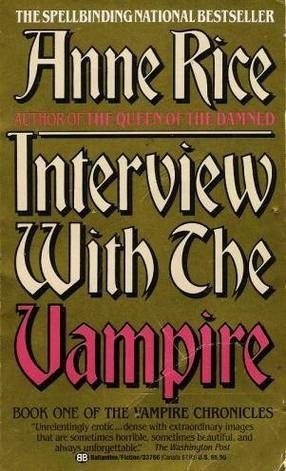
The Premise:
Louis is a vampire who has agreed to sit down for an interview. In it, he describes the story of his creation in New Orleans at the hands of the vampire Lestat, the creation of his daughter Claudia, and his flight away from his cruel creator. In his journey he grapples with what it means to take a life, to be a good person, to never die. 

Read If Looking For: musings on the nature of immortality, immoral protagonists, interesting monologues

Avoid If Looking For: two gay-coded dads raising their vampiric daughter together, main characters who didn’t own slaves, traditional plot structures
Continue reading “Interview With The Vampire – A Turning Point in Vampire Stories”

The Buffalo Hunter Hunter

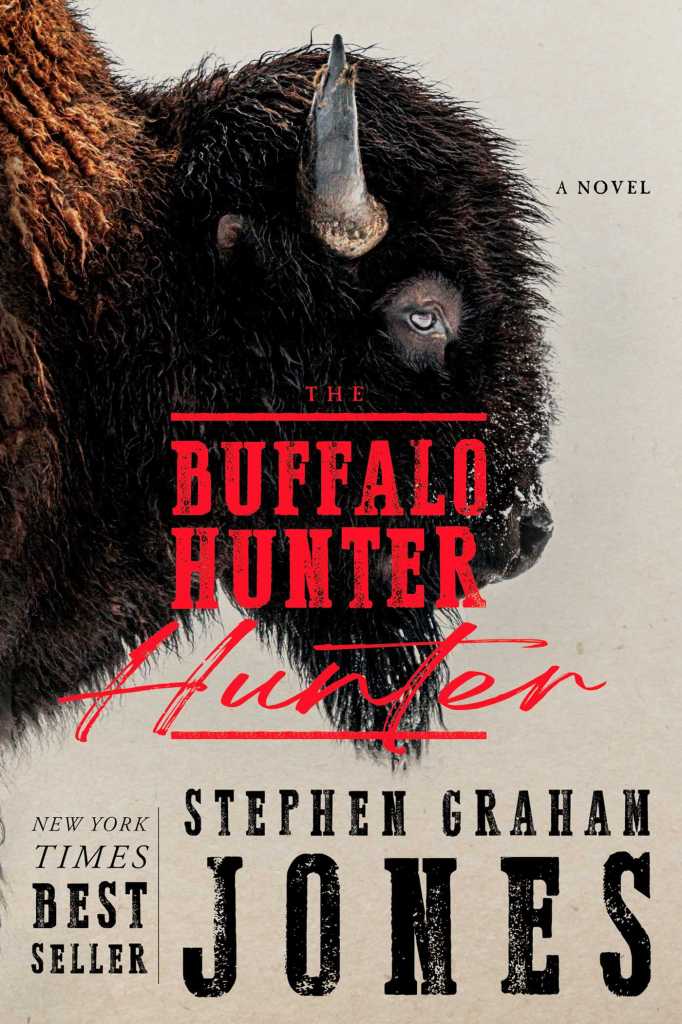
As I continue exploring whether or not horror is the genre for me, Stephen Graham Jones has flitted in and out of my orbit. I had mixed feelings about Mapping the Interior, but Buffalo Hunter Hunter not only had glowing reviews, but also has one of my favorite covers of all time. There’s a lot to love here, but I found myself wishing it were a lot shorter than its actual length. Mixed feelings overall, but Stephen Graham Jones is definitely an author I want to read more of, because the parts of this book that worked really worked.

The Premise:
This is a story within a story within a story. A PHD student studies the journal of her great, great, great grandfather, hoping to convert its contents into a tenure track position (note: this gets the least screentime). Said man is a Lutheran priest in Montana in the 1900s who is visited by a mysterious Blackfoot stranger. This man tells his own life story over the course of several conversations. He is something akin to a vampire, telling the story of how he got his powers and how he began to use them. The tone shifts into something more and more sinister as the tale continues.

Read if: you like epistolary horror and framing narratives, enjoy framing narratives and/or epistolary formats, don’t care if the dog dies

Avoid if: you prefer books that get to the point right away, want traditional vampire representation, have an aversion to graphic depictions of violence – including historical events

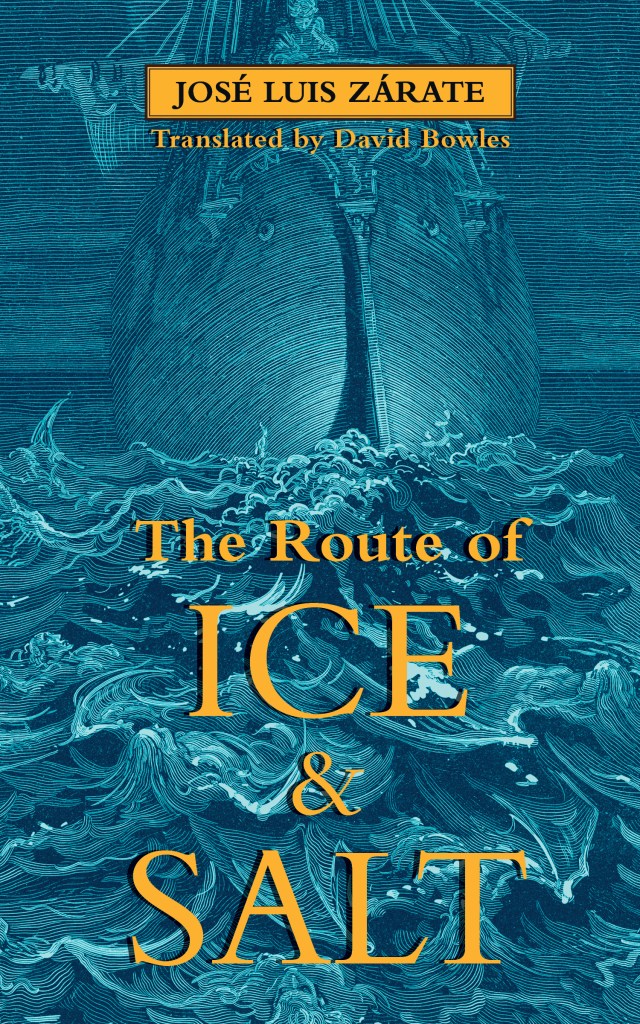
Comparable Works: The Route of Ice and Salt, The Black Hunger, The Woods all Black

Continue reading “The Buffalo Hunter Hunter”

Asunder – An Episodic Eldritch Fantasy

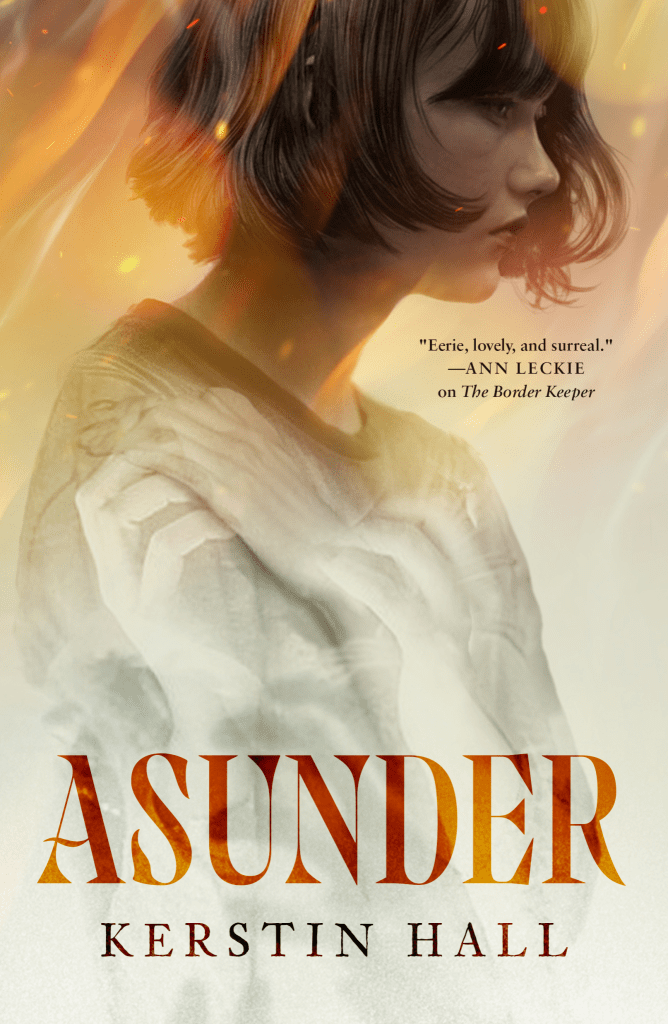
I think I’ve taken Asunder off my TBR about three times as I try to keep it at manageable levels. Invariably, I see a review that piques my interest enough for it to go back onto the pile. If I’m honest, the cover art put me off. It’s unfair, I know (don’t judge a book by its cover and all that), but Asunder’s cover is as beautiful as it is misleading. When I opened the pages, I assumed I’d be walking into a well-written romance with a teenage year old lead. Instead I walked through the dreams of dead gods as a 29 year old woman scrabbles to retain her personhood in the face of uncaring worlds. It will make you feel small and wonder and disgust and hopeless. If you’re willing to give it the space to breathe, it will take your breath away.

Elevator Pitch:
Karys is a Deathspeaker. In exchange for the ability to peer through the Veneer to see magic and talk to the recently deceased, she has sold her soul to an eldritch abomination with three faces and a body made of wings. During a job that’s gone horribly wrong, she stumbles across Ferain, an ambassador from her country’s former occupiers, who was attacked while returning home. To save his life and make a massive amount of money, she anchors his soul to her shadow. Getting him out proves to be much more difficult than getting him in, however, and the Saints of the eldritch gods she serves have taken an interest in this man. Her journey forces her into contact with a variety of haunted landscapes, uncaring gods, and ruthless criminals. 

Read if: you like eldritch beings who bend reality to their will, episodic horror/fantasy hybrids, you want to feel the weight of selling your soul

Avoid if: you want a quick moving plot or dynamic action scenes, agreeable protagonists, straightforward romantasy

Comparable Media: The City of Stairs, Spirited Away, Wizard of the Pigeons

Continue reading “Asunder – An Episodic Eldritch Fantasy”

The Route of Ice and Salt

A Mexican horror novel following a ship captain of a ship transporting vampires, playing off elements of Dracula (which I haven’t read). It’s an excellent translation, and a dip into the more Literary side of horror than I normally go for. This was a good reminder of why I was a bad English major in college, and why genre fiction is my happy place over Literature. However, I’m glad I read this, and I think it’s much better at engaging with vampires’ historic associations with queerness in interesting ways than most other queer vampire books I’ve read.

The Premise
The captain of the Demeter has been hired to take fifty boxes of dirt to England. The captain spends the trip in a haze, torn between his constant desire for the companionship of men and his responsibilities as captain of the ship. And he dreams. Oh does he dream, and his dreams grow ever darker as strange things begin to take place on the Demeter, shifting what should have been an easy and profitable journey into a thing from nightmares.

Read if Looking For: intense focus on internal monologue, dream sequences, horror of the unseen, prose like liquid silk

Avoid if Looking For: direct plot or prose, ethical gays, paranormal romance elements, cute rats, protagonists who don’t sexually harass people, vampires with major speaking roles

Continue reading “The Route of Ice and Salt”

But Not Too Bold

Novellas have become one of my go-to library checkouts. With my limited budget, dropping $15 on a book that will take me a single evening to consume is a tough choice to make. However, I love the length and format, and I find that authors tend to be much more focused on what makes their work special in novellas. But Not Too Bold is an excellent example of that trend, and it put Cabaret in Flames (Hache Pueyo’s upcoming release) on my radar.

The Premise:
 Dália’s promotion to Keeper of the Keys is only a small surprise. Nobody expected her mentor to be eaten, but when you work in a house owned and inhabited by Anatema, a fabulously rich pseudo-eldritch spider creature, you know that getting eaten is one of the hazards of the job. Thankfully,  Dália is not a Bride, and thus her risk of being eaten is much lower than those who seek to marry into the wealth of the household. Unfortunately,  Dália is quite beautiful, and Anatema cannot resist a beautiful woman.  Dália must step carefully, but she finds herself at home with the strange encounters her new position throws at her.

Read if you Like: translated books, fast-paced horror, creepy spider monsters, tidy endings, descriptions of opulent mansions

Avoid if You Dislike: human/monster love stories, depictions of spiders, characters without self-preservation instincts, fairy tale ‘retellings’ far from the source material

Continue reading “But Not Too Bold”

Several People are Typing

Put simply, this book is a shot of adrenaline. I want to give a big shout out to u/diazeugma for recommending one of my new favorites during the r/fantasy pride month event in June. It took me a while to pull the trigger on this workplace comedy/horror book about a man stuck in the Slack chat of his workplace, a PR firm. When I did, I consumed the book in around 4 hours. At 250 pages, this reads a lot more like a novella because of how sparse the pages are. It’s not a book without flaws, but this book contains a level of joy few authors are able to capture.

The Premise:
Gerald is an underperforming grunt at a PR form who works for (mostly) horrible clients. His brain gets sucked firm’s Slack chat, unable even to check his emails, and Gerald finds himself with only unbelieving coworkers and an annoying help-bot for company. Be a fly on the wall for secret workplace affairs, existential crises prompted by sunsets, THE HOWLING, and a bidding war for Gerald’s now empty desk.

Read if You Like: The Office meets Twilight Zone, comedy from the absurd, the distillation of existential dread, captivating characters, train wrecks in slow motion

Avoid if You Dislike: not getting physical descriptions of characters, mysteries that never get explained, strong romance plotlines

Continue reading “Several People are Typing”

Hungerstone

Queerness and vampirism go hand in hand throughout literature. While I’m not well versed in the classics, The Book Eaters and Heart of Stone both showcased how vampire stories can be gripping in both romantic and horror spheres. Hungerstone is essentially a take on Carmilla (which I haven’t read), with a special focus on the main character’s relationship with her own agency. I think fans of gothic horror will love it, and is a good option as a starter to the genre if you like stories with a more internal focus (whereas something like Mexican Gothic or A Botanical Daughter would be better starting points for more plot focused stories). However, its much less vampire-forward than I would have expected.

The Premise
Lenore is trapped in a listless life and a loveless marriage. An orphaned noble with no money to her name, she married Henry (a corrupt steel magnate) to find a life of security. Now she finds herself without any clear anchors in her life, struggling to figure out how she can salvage some happiness. As they move to the countryside, they pick up Carmilla on the road, a mysterious stranger who seems in desperate need of care. As Carmilla starts to open up Lenore’s eyes to just how dire her situation is, Lenore finds he growing attraction to their new guests matched only by the horror rising in her as she comes to terms with the reality of her life.

Read if You Like: melancholy, living in a character’s head, depictions of abusive relationships and the effects of patriarchal structures

Avoid if Looking For: plot focused stories, lead characters who drive the story, a heavy focus on classic elements of vampire stories

Continue reading “Hungerstone”

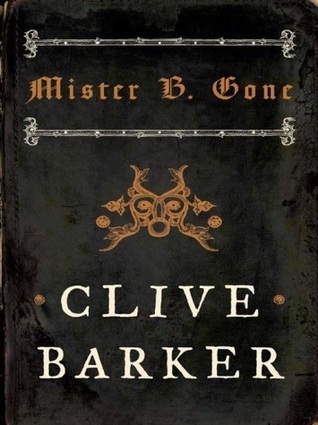
Mister B. Gone

I’ve known the name of Clive Barker for a while now. Hellraiser is influential enough that even someone who absolutely despises horror movies knows its basic imagery. He’s an author lauded as a pioneering queer writer and an author I had no intention of touching with a 10 foot pole. Mister B. Gone was recommended to me by a friend who swore it was their favorite book of all time though, and so I took the plunge into this dark comedy. It wasn’t a perfect book, but the writing was engrossing enough that I’m curious to try some of his books that are more widely lauded.

The Premise:
Jakabob Botch is a demon. A rather incompetent and pathetic demon really, who can’t even work magic properly. And he’s trapped inside a book, the book you’re reading incidentally. Throughout his recounting of his life’s story on Earth, he besseeches you to burn the book in your hands, to end his pitiful existence trapped in ink and paper. But fine, why not, he’ll tell you a little bit more, but only if you promise that you really will destroy the book by the end of it all.

Read if You Like: Fourth-wall breaking, morally bankrupt (but likeable) protagonists, humorous asides, demons and angels

Avoid if You Dislike: books without a strong A-Plot, engrossing climaxes, straightforwardly gay characters

Continue reading “Mister B. Gone”

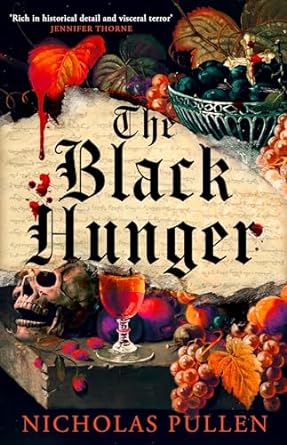
The Black Hunger

As part of pride month, I’ve been doing a lot of thinking and discussing about how avoiding problematic tropes can lead to more problematic tropes. Bury Your Gays (other than being a Chunk Tingle novel I very much want to read) is a classic example of authors, playwrights, and screenwriters killing off queer characters as a way of saying this person was bad and immoral sort of like how literally every Disney Villain dies due to their own character flaws. That trend is bad and problematic, but its backlash led to such predictable happy endings that I didn’t get the same beautiful tragedy and sadness in queer speculative fiction that I could find in cis/het works. Thankfully, I think this is being seen and rectified, mostly by queer authors themselves. I’m all for tragic gays making a comeback.

The Black Hunger is a great example of how bad endings for queer characters isn’t problematic on its own. It’s only bad when used as a way to demonize queer folks. And while I had some issues with the book, I had a great time with it as part of my continued exposure therapy to the horror genre after being traumatized by watching The Mummy when I was five (I still don’t like beetles to this day). Unfortunately, this book struggled in other areas, mostly related to depictions of Buddhism, which will rightly be a dealbreaker for many.

The Premise:
John Sackeville is dying from a mysterious curse eating away at him. His partner is dead, and something horrible has happened to the world. He’s being interrogated for key information about a strange cult (partially of a dark sect of cannibalistic Buddhists, mostly Russian), but he starts at the beginning and takes his time getting to the juicy bits, spending a good among of time on his childhood, his years at Oxford, and his time in the British service in India. Part of his story also involves diary entries of a Jewish psychologist visiting the home of his ex-love to diagnose her with madness, and a letter said ex-love’s dead husband wrote to her about his experiences as a prisoner in Russia to a particularly Spooky count and his family.

Read if Looking For: older gay male representation, evil cultists (and Russians), far too many teeth, slow burn gothic horror

Avoid if You Dislike: multiple narrators, Epistolary novels that don’t read like letters, authors taking liberties with real-world religions without getting it quite right

Continue reading “The Black Hunger”

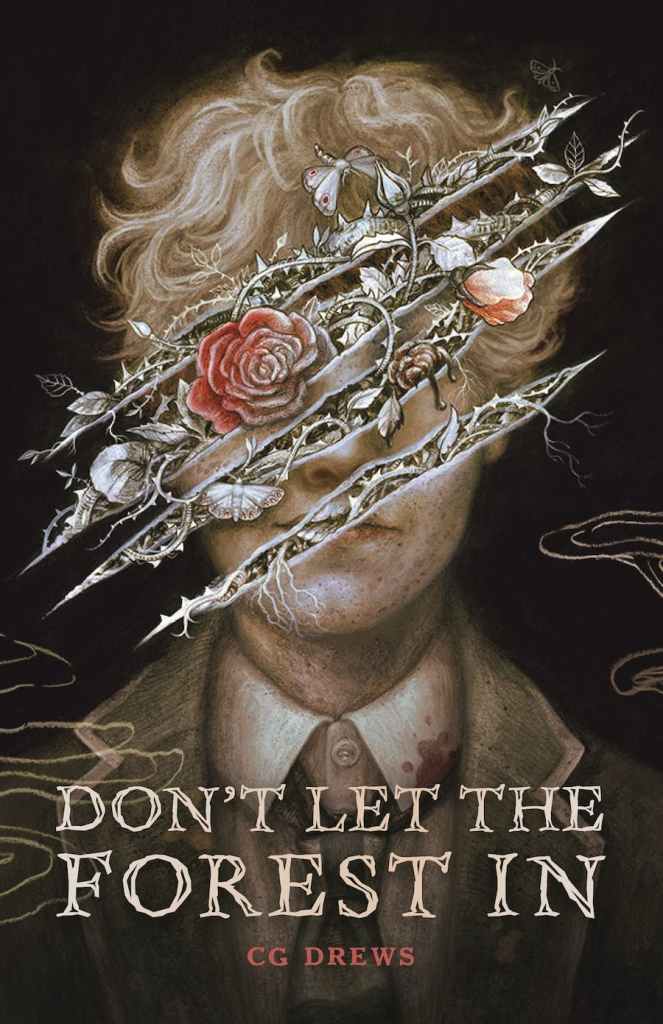
Don’t Let the Forest In

Despite being a middle/high school English teacher, I don’t actually read much Middle Grade or Young Adult works these days. Sometimes I’ll preview a book for class, but rarely for personal pleasure. Oddly, the vast majority of YA that I read is horror, despite it not really being my favorite genre (it’s growing on me, I promise!). I picked up Don’t Let the Forest In in as some first steps to introduce more aro/ace representation into my reading diet. Overall, I thought this was a good book, and one that I’m glad I read. While I think some elements will frustrate readers who primarily pursue adult books, I think it’s got enough good things going on to be worth recommending to a broad variety of people.

The Premise
Andrew and his twin sister Dove attend a prestigious and remote boarding school, courtesy of a rich (and largely absent) father. Dove is a straight-A student, but Andrew is listless, reserved, and anxious. The only thing keeping him afloat (other than Dove making sure he doesn’t fail any classes) is his best friend/roommate/crush Thomas. Thomas is wild and abrasive, the visual artist to Andrew’s creative writing. But Thomas’s parents are missing, presumed dead, and Thomas is a prime culprit. Things between them aren’t the same as they used to be, and that’s before Andrew realizes that creatures from the forest are trying to attack the school every night.

Read if You Like: unreliable narrators, endings that stick the landing, impactful twists, creepy forest monsters

Avoid if You Dislike: archetypical side characters/set dressing, romantic tension derived lack of effective communication, slow pacing

Continue reading “Don’t Let the Forest In”