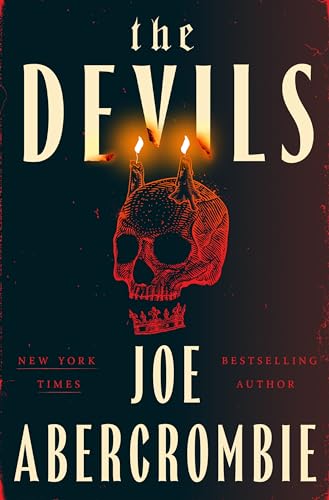
The Devils

I shouldn’t have been surprised at how controversial Joe Abercrombie’s new release would be in parts of the fantasy fandom. The Devils is a departure from Abercrombie’s reputation as a character-focused writer interested in deconstructing classic fantasy tropes, and a popular author straying from their niche invariably invites criticism. At its core, this is a misfit adventure novel with a collection of villain archetypes as major players in an ensemble class. I thought the book was fun, a great audiobook to listen to at the gym, but probably not one that’s going to get recommended by me unless it’s a unique fit to someone’s requests. Had a great time with it though.
The Premise
Brother Diaz is a monk who thought he was destined for greatness when he was granted an audience with the Pope. Instead, he’s put in charge of a ratag group of prisoners to escort the long-lost princess of the Empire to take her throne. He’s got to wrangle a suave vampire, a bloodthirsty werewolf, an elf assassin, an egotistical necromancer, an immortal paladin, and a normal woman who has worked any job you could possibly imagine for at least a few weeks. Together, they must beat the odds – mostly just dead Empress’ four sons, all of whom want the princess dead – and complete their holy quest despite none of them wanting to be there (other than the paladin). 

Read if Looking For: villain of the chapter, big personalities, extended fight scenes

Avoid if Looking For: a carbon copy of First Law, historical accuracy, a book impossible to call ‘safe’
Continue reading “The Devils”

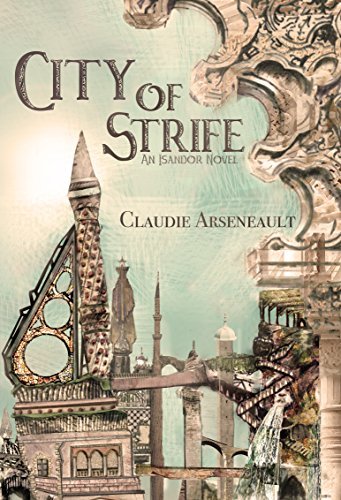
City of Strife

The City of Spires has been on my radar for a while as a great example of what ambitious queer representation can look like. It’s also gotten nods as the modern inheritor to Swordspoint, the seminal Fantasy of Manners book with pioneering queer rep in the 80s. I ended up not loving the book, but I see the appeal and am intrigued to continue at some point in the future.  But if you’re looking for a queer ensemble cast, I can’t think of something better than this.

The Premise
Isandor is a city with class problems. The rich live (quite literally) above everyone, in towers connected by bridges, holding them above the world. The poor are at the whims of the games of the noble houses. And the city plays host to an embassy of an Empire intent on conquering the world. Many different characters lives intersect in this book, connecting apprentice mages with shelter owners with idealistic nobility. Each character’s agendas and concerns are different, but this book lights the match that will set the city ablaze (quite literally). There’s enough going on that focusing on any single plotline will do a disservice to describing what the book is about.

Read if Looking For: many queer identities in one book, ethically upright protagonists, sadistic villains, impassioned monologues

Avoid if Looking For: deep characterization, flashy magic, political maneuvering

Continue reading “City of Strife”

But Not Too Bold

Novellas have become one of my go-to library checkouts. With my limited budget, dropping $15 on a book that will take me a single evening to consume is a tough choice to make. However, I love the length and format, and I find that authors tend to be much more focused on what makes their work special in novellas. But Not Too Bold is an excellent example of that trend, and it put Cabaret in Flames (Hache Pueyo’s upcoming release) on my radar.

The Premise:
 Dália’s promotion to Keeper of the Keys is only a small surprise. Nobody expected her mentor to be eaten, but when you work in a house owned and inhabited by Anatema, a fabulously rich pseudo-eldritch spider creature, you know that getting eaten is one of the hazards of the job. Thankfully,  Dália is not a Bride, and thus her risk of being eaten is much lower than those who seek to marry into the wealth of the household. Unfortunately,  Dália is quite beautiful, and Anatema cannot resist a beautiful woman.  Dália must step carefully, but she finds herself at home with the strange encounters her new position throws at her.

Read if you Like: translated books, fast-paced horror, creepy spider monsters, tidy endings, descriptions of opulent mansions

Avoid if You Dislike: human/monster love stories, depictions of spiders, characters without self-preservation instincts, fairy tale ‘retellings’ far from the source material

Continue reading “But Not Too Bold”

The Jasmine Throne

The Burning Kingdom’s Saga is a great example of what modern Epic Fantasy looks like, and it’s been on my to-read list for several years. There’s quite a few ambitious sapphic fantasy series that have made waves in the 2020s, and this is a great addition to that list. I didn’t love everything about The Jasmine Throne, and am very excited to see where the series heads.

The Premise: set in an analogue of India, this series focuses on the people of a small territory under the rule of an oppressive empire. Their religious temples have been destroyed, their spiritual leaders killed. Rebel groups fight for freedom, and those in power respond by punishing all who live in the province. Our story focuses on two lead characters: Priya, a temple child with mild supernatural powers who escaped the fate of her elders and temple siblings; and Malini, a princess living in exile as punishment for refusing to burn herself alive at her brother’s throne When Priya becomes Malini’s maidservant, both see an opportunity to change the fate of themselves and their people.

Read if Looking for: creepy plant gods, worldbuilding set up to explore sexism and racism, varied depictions of what female strength can look like, characters making hard (and not always ethical) choices

Avoid if Looking for: epic fight scenes, deep political scheming, instalove romance

Continue reading “The Jasmine Throne”

Hungerstone

Queerness and vampirism go hand in hand throughout literature. While I’m not well versed in the classics, The Book Eaters and Heart of Stone both showcased how vampire stories can be gripping in both romantic and horror spheres. Hungerstone is essentially a take on Carmilla (which I haven’t read), with a special focus on the main character’s relationship with her own agency. I think fans of gothic horror will love it, and is a good option as a starter to the genre if you like stories with a more internal focus (whereas something like Mexican Gothic or A Botanical Daughter would be better starting points for more plot focused stories). However, its much less vampire-forward than I would have expected.

The Premise
Lenore is trapped in a listless life and a loveless marriage. An orphaned noble with no money to her name, she married Henry (a corrupt steel magnate) to find a life of security. Now she finds herself without any clear anchors in her life, struggling to figure out how she can salvage some happiness. As they move to the countryside, they pick up Carmilla on the road, a mysterious stranger who seems in desperate need of care. As Carmilla starts to open up Lenore’s eyes to just how dire her situation is, Lenore finds he growing attraction to their new guests matched only by the horror rising in her as she comes to terms with the reality of her life.

Read if You Like: melancholy, living in a character’s head, depictions of abusive relationships and the effects of patriarchal structures

Avoid if Looking For: plot focused stories, lead characters who drive the story, a heavy focus on classic elements of vampire stories

Continue reading “Hungerstone”

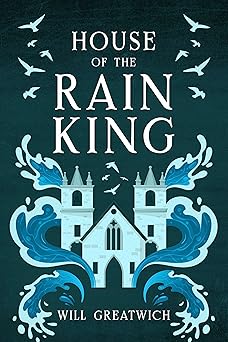
House of the Rain King

I love a book with intricate worldbuilding, complex magic systems, and dynamic action scenes. However, I also love books that capture the mystery and magic of ancient religion, forgotten gods, and backwoods settings. House of the Rain King is plainly written, but doesn’t neatly slot into the storytelling styles of the current fantasy market. Its a great example of how indie and self publishing fills niches that mainstream books leave open.

The Premise:
The Rain House is a monastary in a very rural valley. They are the power center of the small community, and keep their land ready for the return of the Rain King. On the day an aspiring monk Emwort takes his initation rituals, The Rain King returns, bringing a flood to the valley that won’t end until he marries (and kills) a Bird Princess who sacrifices herself for the valley. He’s escorted by a company of soldiers hired to protect him, and whose two unofficial leaders vie for control. And an indentured servant is joyful that his debts since childhood will be wiped away with the flood, as the scripture says. The book explores the ancient mysteries of the town, haunted ruins, and a growing corruption amongst the elderly monks of Rain House.

Read if Looking For: ancient magic, cruel gods, books that evoke Princess Mononoke, protagonists that happen to be queer

Avoid if Looking For: endings that clearly resolve all conflicts, compelling action scenes, mercenary companies that feel like mercenaries

Continue reading “House of the Rain King”

Abbott (and Sequels)

Despite teaching a few different classes on graphic novels/comics to middle and high schoolers, I don’t actually read that many for fun these days – and almost never ones geared towards adults. In an effort to start changing that, I decided to pitch a graphic novel theme when I was asked to guest host r/QueerSFF’s July Book Club. Out of the nominees I selected, Abbott was far and away the winner, and I think it will lead to some great discussion! Books 1/2 left me with some frustrations (book 2 especially), but the final volume really blew me away and was an excellent ending. While I’m discussing my thoughts about the series as a whole, I won’t reference any specific spoilers for any of the books.

Additionally, I’ll include some images of the art at the bottom of this post for people who want to see some examples of non-cover art, which will become standard practice should I continue to review more sequential art.

Read if Looking For: nuanced depictions of sexism and racism, a historical Detroit setting, gruesome and evocative art, noir vibes

Avoid if Looking For: Dynamic fight scenes, properly-paced plots, innovative villains

Continue reading “Abbott (and Sequels)”

Spirits Abroad

Short Fiction Anthologies are the types of books that I add to my TBR list, but never seem to get around to. I say I want to read more short fiction, say I want to try out some magazines, but never commit the time to it. Spirits Abroad is a first step in trying to make progress on that front and, while it definitely isn’t the best anthology I’ve read, provided several enjoyable reads, including one that I’ll be using in the high school genre fiction class I teach!

The Premise:
As with any anthology, it’s tough to give a succinct summary of the entire experience of this book. However, the collection is consistently grounded in Malaysian culture, folklore, and mythology. Oftentimes immigrant experiences or examinations of how misogyny uniquely affects Malaysian women are themes and motifs. You should also expect to encounter Malaysian terminology and dialect in each story (the audiobook narrator does a fantastic job), and while most foriegn terms aren’t explained, both absorbing general ideas up from context or pausing to do research can work for a good reading experience. You should also expect darker elements in many stories, with some verging into horror territory.

Read If Looking For: Urban Fantasy or Magical Realism short fiction, tight focus on Malaysian communities around the world, simple and straightforward language, feminist themes

Avoid if Looking For: writing that experiments with style or structure

Continue reading “Spirits Abroad”

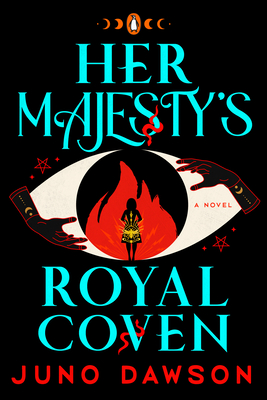
Her Majesty’s Royal Coven

It’s been nice to see witches getting more love in fantasy over the last five years. Whether or not they delve into historical witchcraft or lean into fantasy cliches, they’re just a fun archetype. Her Majesty’s Royal Coven is a pretty damn good book focusing on what witchcraft in the modern age might look like. Like with a lot of modern fantasy, you’re getting some political commentary woven into the story, and this book does a good job of locking into an exciting plotline and sticking the landing.

The Premise:
Her Majesty’s Royal Coven (HMRC) is a pseudo-governmental organization in the United Kingdoms managing the affairs of witches, keeping magic secret, and generally preserving traditions as well as they can. In theory of course. In reality, any group is political, and fracture lines have been spreading over the coven’s racist biases, especially post-civil war in the witch/warlock community. But when a young boy triggers the oracles saying the grand demon himself is rising, things will get rough quickly. Only he’s not a he. He’s actually a she. In this book we follow Helena (High Priestess of HMRC), Elle (a witch trying to live away from witchcraft as much as possible), Niamh (left HMRC to use her powers as a vet) and Leonie (who formed Diaspora, a coven focused on providing a community for witches of color) as they navigate their old friendships, current dilemmas, and what it means to be a woman.

Read if Looking For: witches, critiques of TERF ideology, witchy goodness, POVs from many ideological perspectives

Avoid if Looking For: Books with subtle themes, cinematic action

Continue reading “Her Majesty’s Royal Coven”

I Keep My Exoskeletons to Myself

About an hour into my listen of this audiobook, I was convinced that it was going to be my first 5/5 read of the year. I was lost in Marisa Crane’s intensely emotional writing, and felt like I was living in the skin of another person, feeling what they felt. Then, as the story shifted from something amorphous and reflective into a more traditional plot, I ran headfirst into walls of frustration and disappointment. The things I love about this book are intoxicating, but it wasn’t enough to hold the story together until the ending for me.

The Premise
In this version of America, those who harm others receive an additional shadow. Those with shadows are second class citizens: taxed higher, let go from jobs, harassed on the street. And of course, fairness and justice aren’t particularly high on the list of concerns for the government organization assigning shadows, and people of color, queer folks, and those living with mental health challenges are much more likely to get one. That list includes Kris, who just lost her wife in childbirth, and her newborn baby who got a second shadow for ‘killing’ her mother during birth. Lost in grief, Kris must find a path forward in this world and figure out how to life her life (and raise a child) when the lodestone of her world is gone.

Read If Looking For: meditations on grief and motherhood, dynamic queer relationships (romantic and platonic), thoughtful depictions of mental health struggles

Avoid if Looking For: dystopian settings with the intensity of The Handmaid’s Tale, realistic depictions of children

Continue reading “I Keep My Exoskeletons to Myself”