
The Route of Ice and Salt

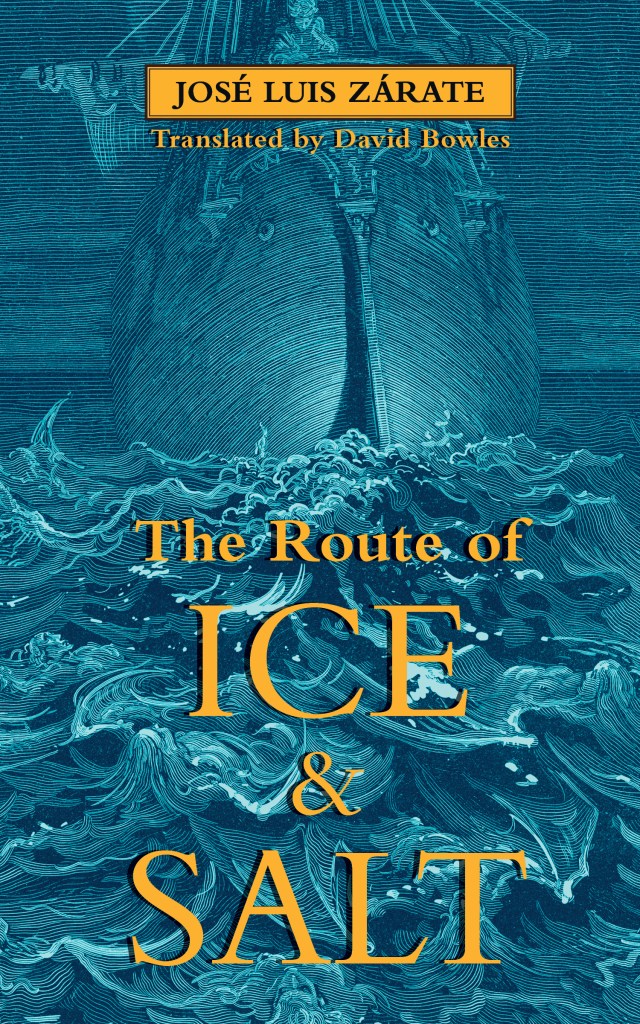
A Mexican horror novel following a ship captain of a ship transporting vampires, playing off elements of Dracula (which I haven’t read). It’s an excellent translation, and a dip into the more Literary side of horror than I normally go for. This was a good reminder of why I was a bad English major in college, and why genre fiction is my happy place over Literature. However, I’m glad I read this, and I think it’s much better at engaging with vampires’ historic associations with queerness in interesting ways than most other queer vampire books I’ve read.
Read if Looking For: intense focus on internal monologue, dream sequences, horror of the unseen, prose like liquid silk

Avoid if Looking For: direct plot or prose, ethical gays, paranormal romance elements, cute rats, protagonists who don’t sexually harass people, vampires with major speaking roles
Continue reading “The Route of Ice and Salt”

Dear Mothman

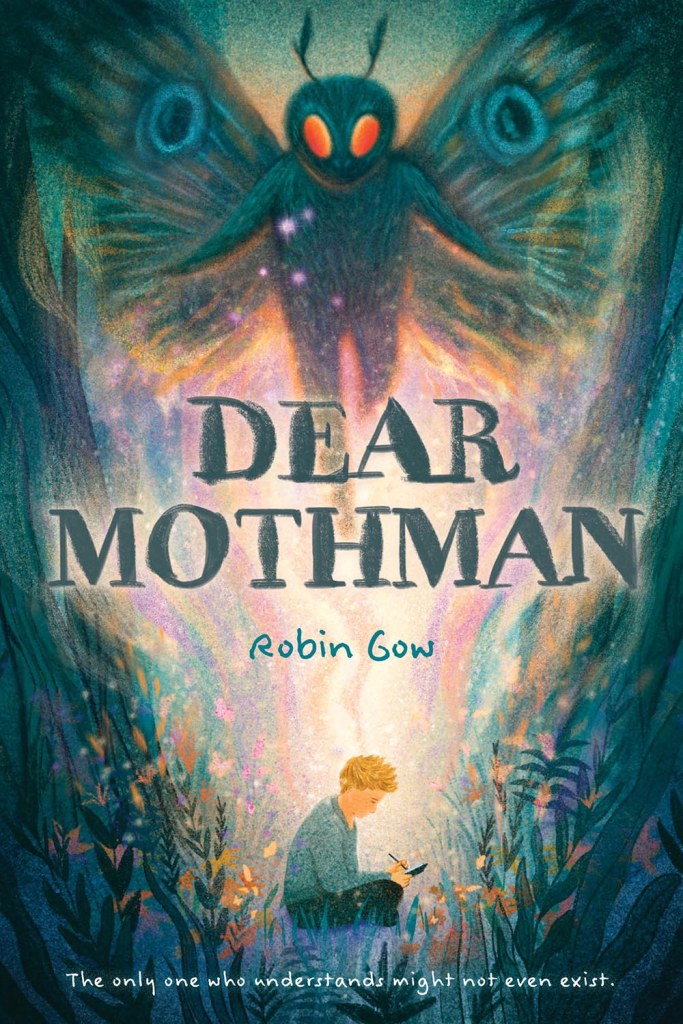
Dear Mothman has been in my orbit for about a year now as one of the better middle grade novels to come out. It doesn’t quite fit comfortably in any genre. It’s certainly speculative (Mothman is very real) but it reads a lot like a realistic fiction book. It’s part Epistolary and part Book in Verse, but doesn’t really live in either space fully. However, it’s got a whole lot of heart, and is one of the better books I’ve seen where a character’s processing of grief is front and center. It’s the type of middle grade book that many adults would enjoy, even those who have a distaste for ‘kids books’.

Read if Looking For: emotional musings, a good cry, childhood taken seriously, the intersection of queer and neurodivergent identities

Avoid if Looking For: fight scenes, teen drama, dramatic plot twists

Continue reading “Dear Mothman”

The Black Hunger

As part of pride month, I’ve been doing a lot of thinking and discussing about how avoiding problematic tropes can lead to more problematic tropes. Bury Your Gays (other than being a Chunk Tingle novel I very much want to read) is a classic example of authors, playwrights, and screenwriters killing off queer characters as a way of saying this person was bad and immoral sort of like how literally every Disney Villain dies due to their own character flaws. That trend is bad and problematic, but its backlash led to such predictable happy endings that I didn’t get the same beautiful tragedy and sadness in queer speculative fiction that I could find in cis/het works. Thankfully, I think this is being seen and rectified, mostly by queer authors themselves. I’m all for tragic gays making a comeback.

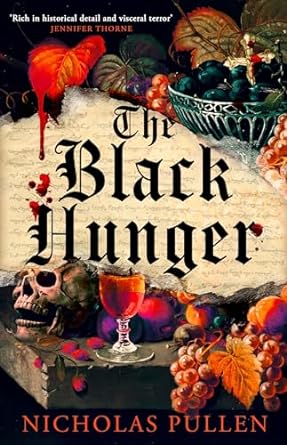
The Black Hunger is a great example of how bad endings for queer characters isn’t problematic on its own. It’s only bad when used as a way to demonize queer folks. And while I had some issues with the book, I had a great time with it as part of my continued exposure therapy to the horror genre after being traumatized by watching The Mummy when I was five (I still don’t like beetles to this day). Unfortunately, this book struggled in other areas, mostly related to depictions of Buddhism, which will rightly be a dealbreaker for many.

Read if Looking For: older gay male representation, evil cultists (and Russians), far too many teeth, slow burn gothic horror

Avoid if You Dislike: multiple narrators, Epistolary novels that don’t read like letters, authors taking liberties with real-world religions without getting it quite right

Continue reading “The Black Hunger”