
It’s pretty common for me to start stepping back into comics and graphic novels as school begins to ramp up. As I start exercising my work brain, comics allow me space to breathe as I handle the transition. This isn’t going to win any awards, but its a delightful queer superhero romp that I’m going to continue, and that my students will love! I especially appreciate its use of allegory and bringing modern plot structures to the superhero genre.
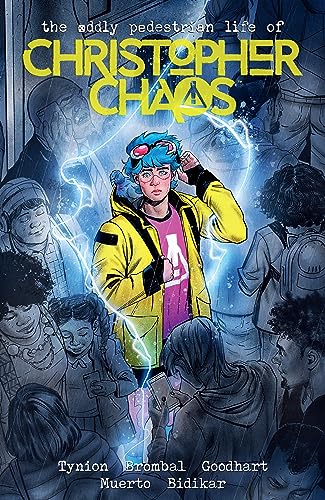
The Premise:
Christopher Chaos has always been different. He can see equations flitting through the world, and has all the makings of a mad scientist. However, when a werewolf classmate gets murdered by ghostly pale figures, he realizes that he’s not the only monster around. He and two other students connected with the deceased also find targets on their backs, they must learn to run away or fight back.
Read if Looking For: superhero tropes, monstrosity as queer allegory, a zombie-pigeon animal companion, corrupt cops
Avoid if Looking For: boundary-pushing stories or art, nuanced and complex villains, realistically violent fight scenes
What Worked For Me:
A running theme with Christopher Chaos is that it doesn’t break much new ground, but is a very satisfying mashup of existing tropes and ideas. Using monsters and non-humans as allegories for queerness isn’t particularly novel. The X-Men are an obvious example (though Tynion is far more explicit and intentional), or the more modern M is for Monster, which had a lot more nuance than this comic. On the prose front, I cannot sing the praises of Siren Queen enough if Old-Hollywood Magical Realism is at all of interest to you. Hell, the entire history of vampires in prose form is based on writing where they were used to reflect society’s fear of ‘sexual perversions’ and taboo homosexual love.
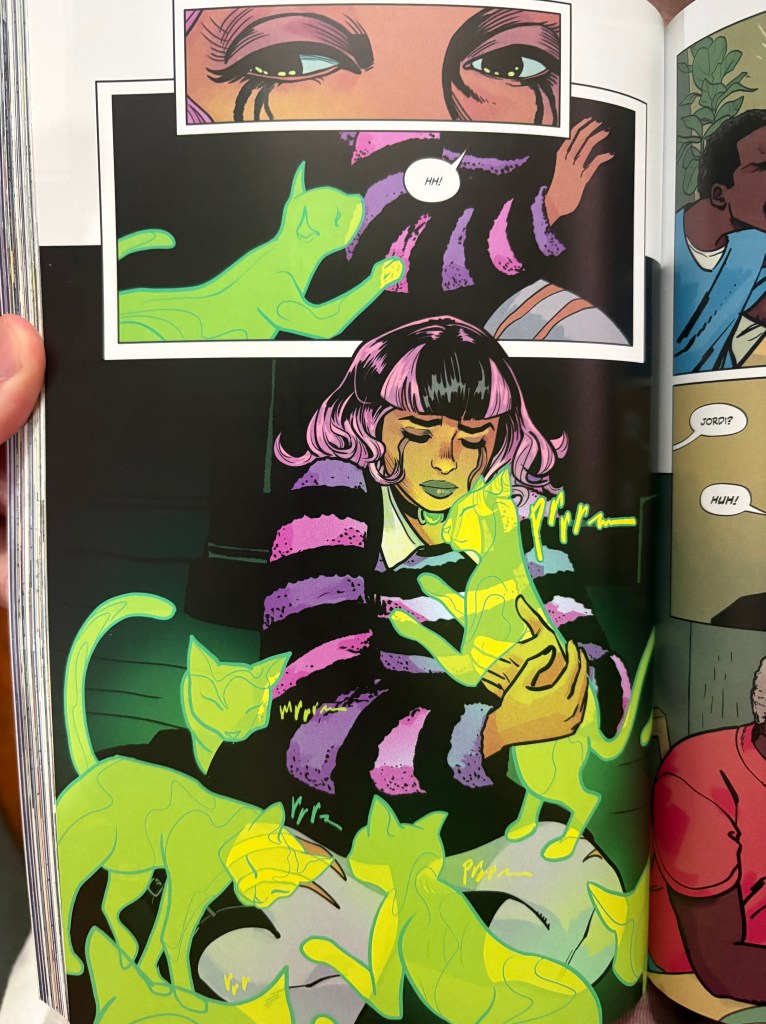
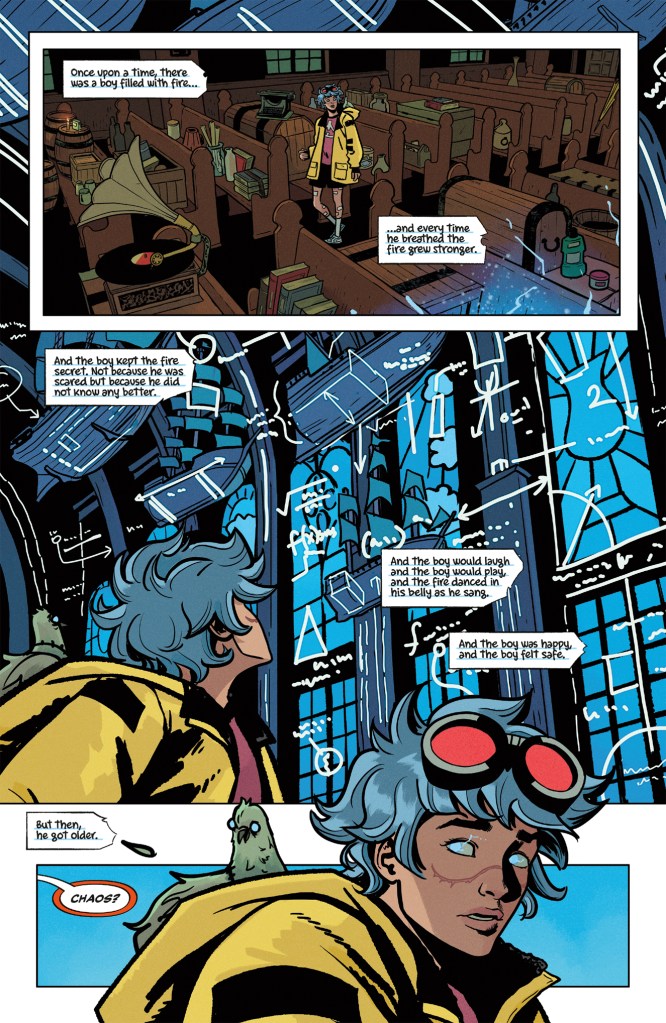
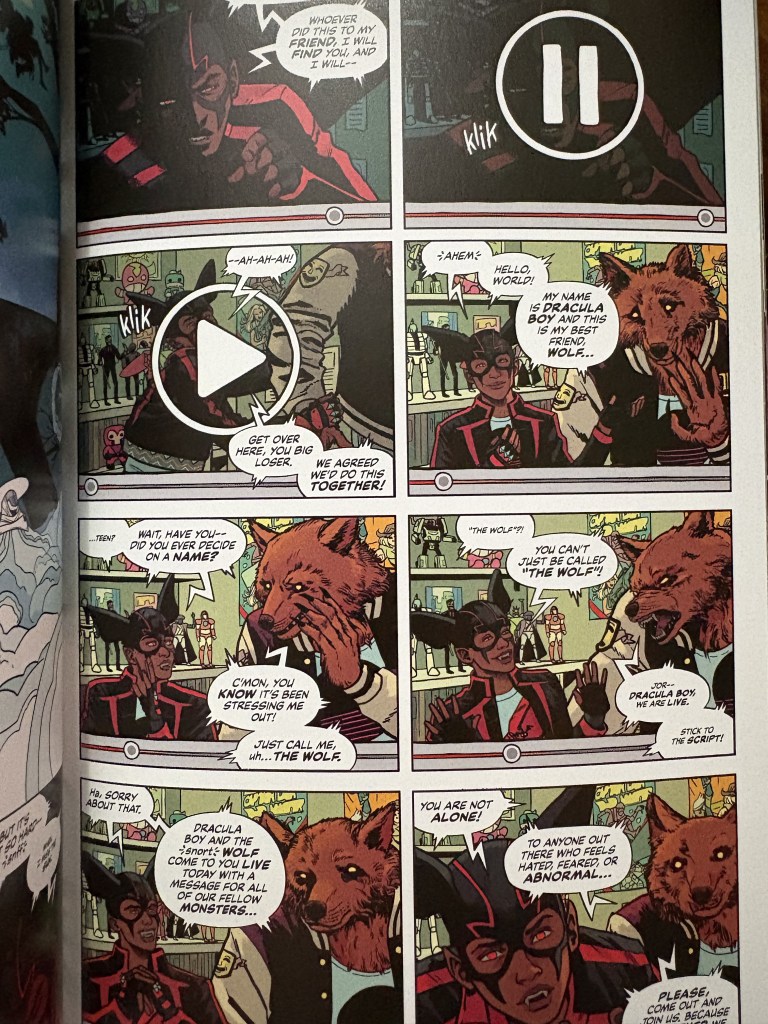
Christopher Chaos’s approach is much more straightforward. Chaos’s queerness is established immediately via his crush on the soon-to-be-murdered classmate. Similarly, we know Dracula Boy is trans fairly early. Tynion indulges in a lot of direct analogies, using cornerstone queer experiences and translating them through the lens of monstrous otherness. The most on the nose was Dracula Boy trying to ‘come out’ to his family as a new vampire, only to get interrupted by his dad talking about the prep needed for his upcoming top surgery. Others are a little more subtle, such as self-acceptance leading to liberation, a mom who wants Christopher to blend in and be normal, and a comically evil religious organization who targets non-humans solely based on their identity. Actually, if I ever get to teach my Queer Literary Theory via Comics elective again, I’ll probably use excerpts from this series as a teaching tool. It all syncs up very nicely, even if its a tad predictable.
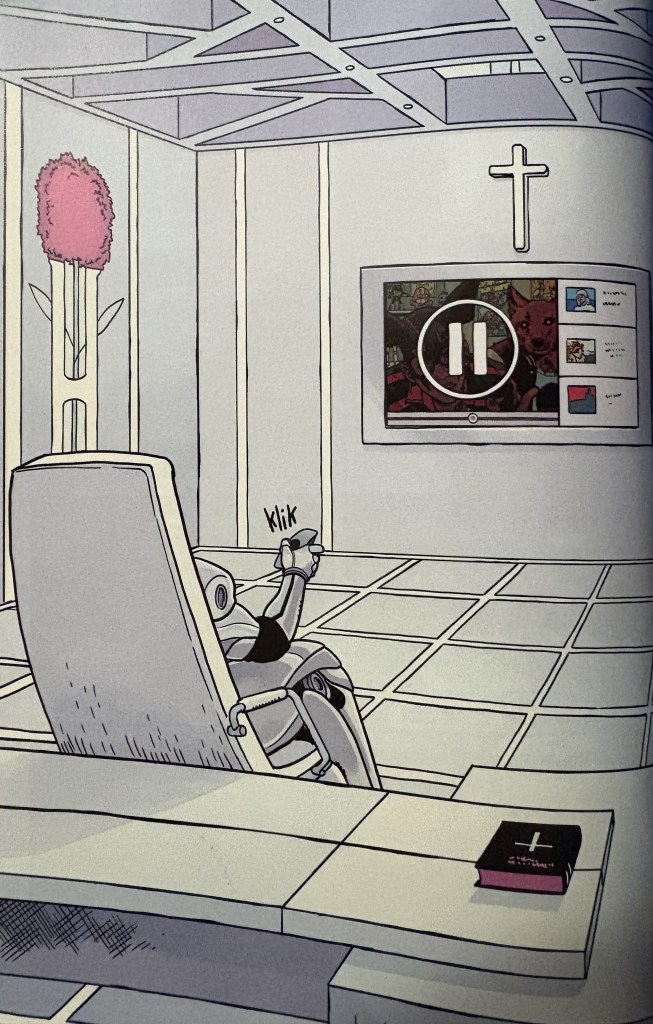
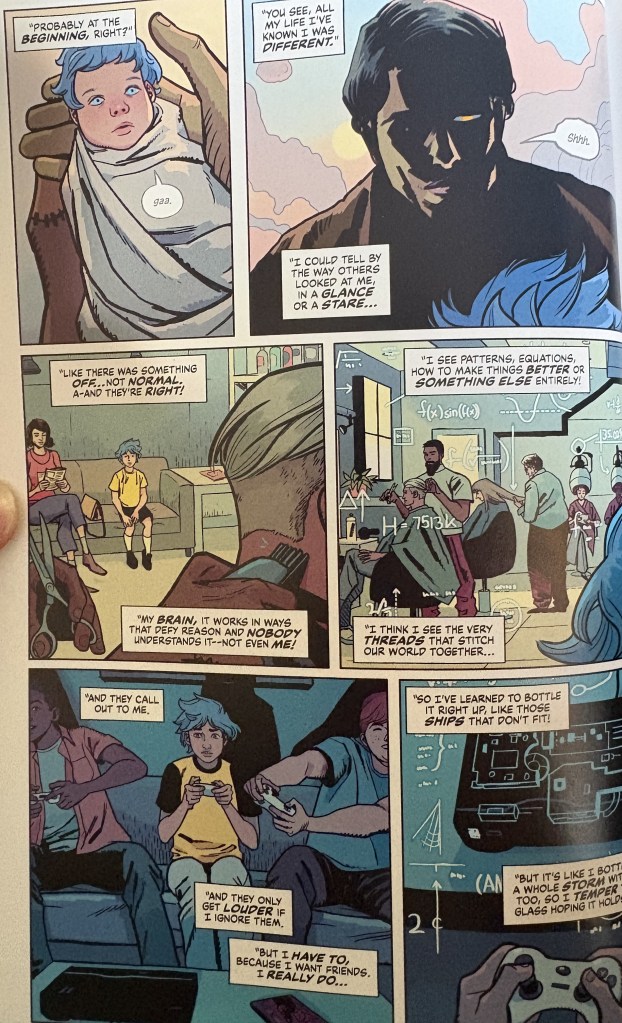
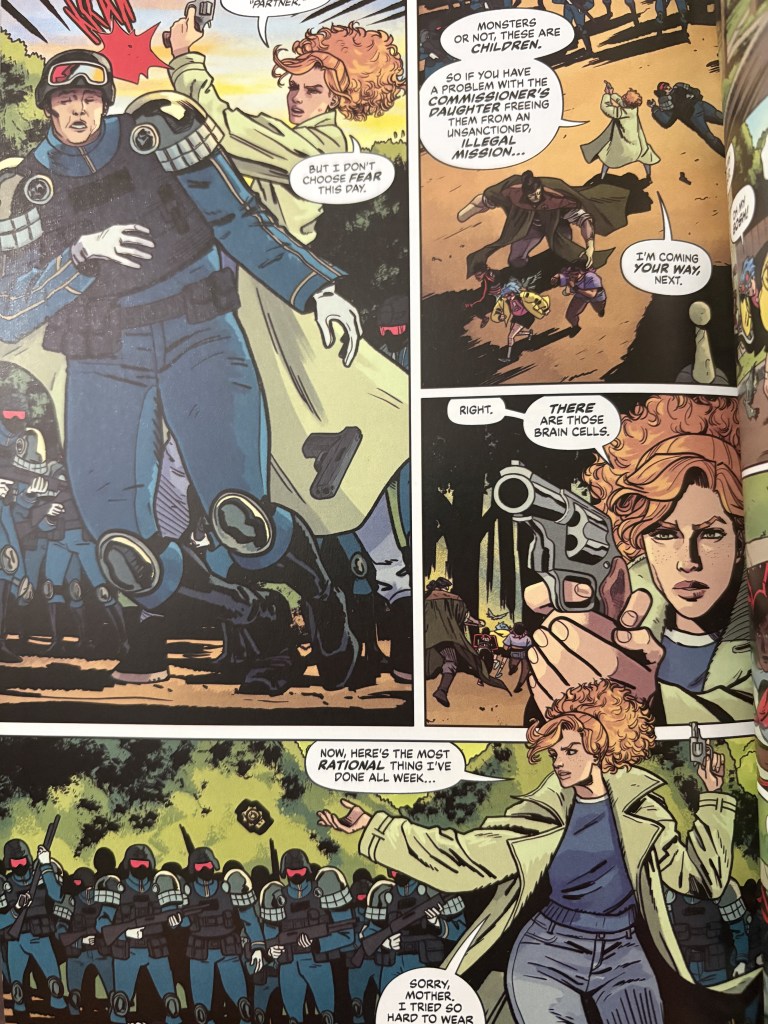
This comic was originally self-published and later picked up by Dark Horse, which shows in how Tynion arranges the story and the content he tackles. One of my big complaints about the superhero comic release format is how authors can force themselves into arbitrary story lengths to meet page counts for trade releases. It also eschews the philosophy that readers should be able to start at any single point in time and also reference previous issues and other comic runs entirely to build a greater story network. Christopher Chaos is free from both constraints, and the pacing feels so much more natural than some of the YA superhero comics I’ve read recently, such as in DC’s Spirit World. Similarly, Tynion feels a lot more politically open than a lot of Marvel/DC comics these days. I recently saw someone comment – apologies that I can’t properly quote them – that if Gerry Conway were still writing Spider Man, he’d be fighting ICE Agents in the current run. Hell, The Hulk had a remarkably nuanced take on AIDs for something written in ’94. A lot of Superhero’s political DNA has vanished from the big two publishers. Meanwhile, Christopher Chaos isn’t afraid to portray corrupt cops and reference their raids against queer gathering spaces. It feels a lot more honest to the history of the superhero genre despite not conforming to its structural conventions.
What Didn’t Work for Me:
I’ve mentioned this a few times, but western comics are generally much worse at fight choreography than manga. This trend continues here. As I age, I’m starting to suspect that this is due, in part, due to western comic’s habit of splitting story writers from artists. The exact spot where work gets passed off differs (and I have no idea where it was for this comic), but it isn’t uncommon for artists to be given specific panel descriptions and layouts. Manga splits labor differently, and their visual storytelling of combat is much higher quality. I’m a big fan of Tate Brombal, who did the art, but sometimes things felt a little bit flat in this? Almost like the characters were stickers pasted on top of the backgrounds, instead of integrated with them fully. I never felt like the art was actively bad, but it also wasn’t a huge positive for me either.
Conclusion: a workhorse YA superhero comic. It didn’t blow my mind, but its just good fun.


One thought on “The Oddly Pedestrian Life of Christopher Chaos”