
I picked up the first book in this series as I collected books for a class on Queer Comics and Cartoons. It didn’t end up making the cut as a whole-class read, but it quickly found its way into my classroom library and has become quite popular. While the series isn’t quite finished – final book is releasing this year! – I figured finishing book 4 was enough to write a review about the series more generally. It won’t tickle the fancy of anyone looking for serious or deeply thematic fare, but it’s fun and quick and a truly delightful kids book that I think many adults would enjoy as a casual read.
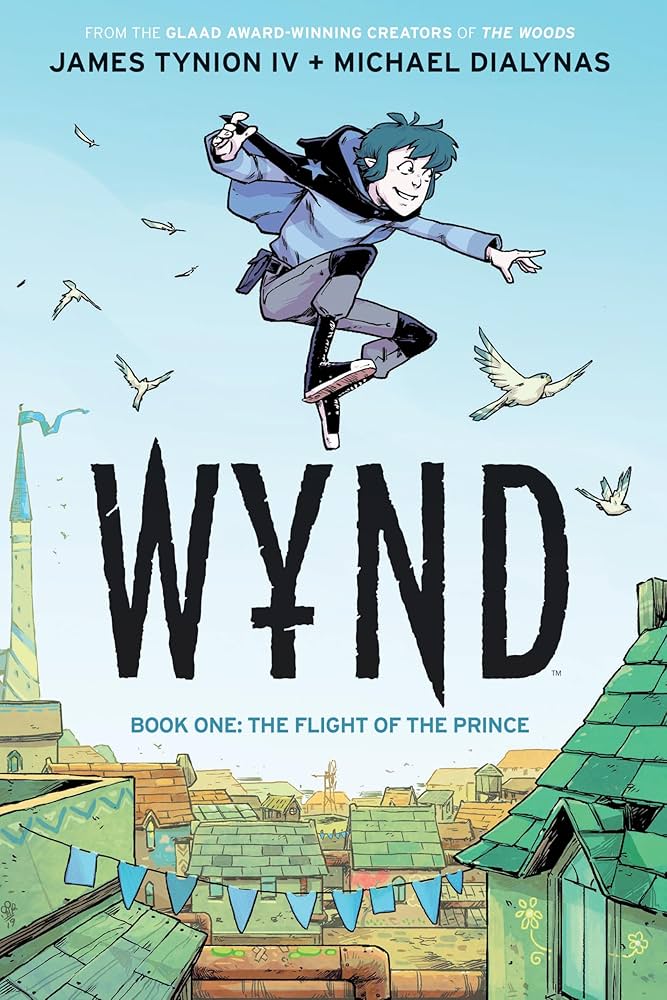
Read if: you love classic fantasy tropes, comics with vibrant illustrations are your style, faeries-as-bugs sounds fun
Avoid if: simplistic morality will bug you, you dislike chosen ones & prophecies, fantasy racism isn’t a worldbuilding trope that works for you
Comparable Media: Fablehaven, Septimus Heap, Cece Rios, Amulet
Elevator Pitch:
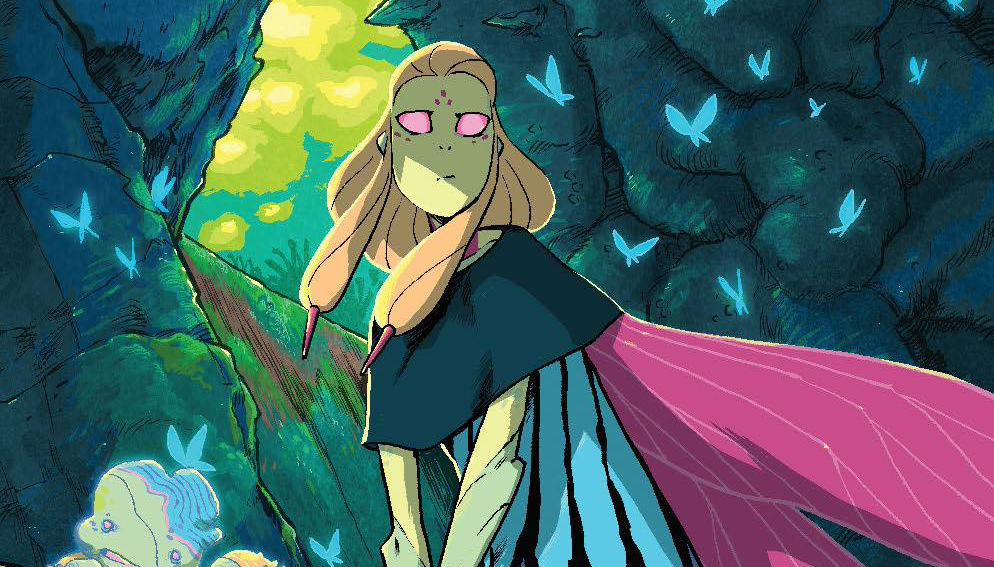
In a city where being touched by the unnatural wilds marks you for death, young Wynd hides his ears at all costs. However, Pipetown is simmering with tension, and few realize how close the continent is to open warfare. Wynd ends up fleeing with a reluctant prince, a cute gardener, and his adoptive sister, and his adventures put him in contact with several human factions, a bug-faerie culture in the midst of its own political revolution, and a very militaristic society of vampires.
What Worked For Me:
Wynd is the story I always wished I had as a child. It’s got a gay lead with the weight of the world on his back, badass villains, and a fairly constrained setting that feels classic in some ways and fresh in others. In classic kids-lit fashion, the fights tend to not be terribly gory, and the main character relies more on wits and creativity than brutal violence. Tynion does a really good job of cramming a great amount of story into 250 page graphic novels without it feeling rushed or confusing. The series has solid pacing, expands scope beautifully each book, and never feels repetitive. It’s got pretty much everything I’d want from a middle-grade take on epic fantasy. Popular Middle Grade Fantasy today is overwhelmingly inspired by Percy Jackson and – to a lesser extent – Harry Potter. The fantastic landscapes, military machinations, and original mythology was a breath of fresh air against the dominance of Urban Fantasy in kids books right now.
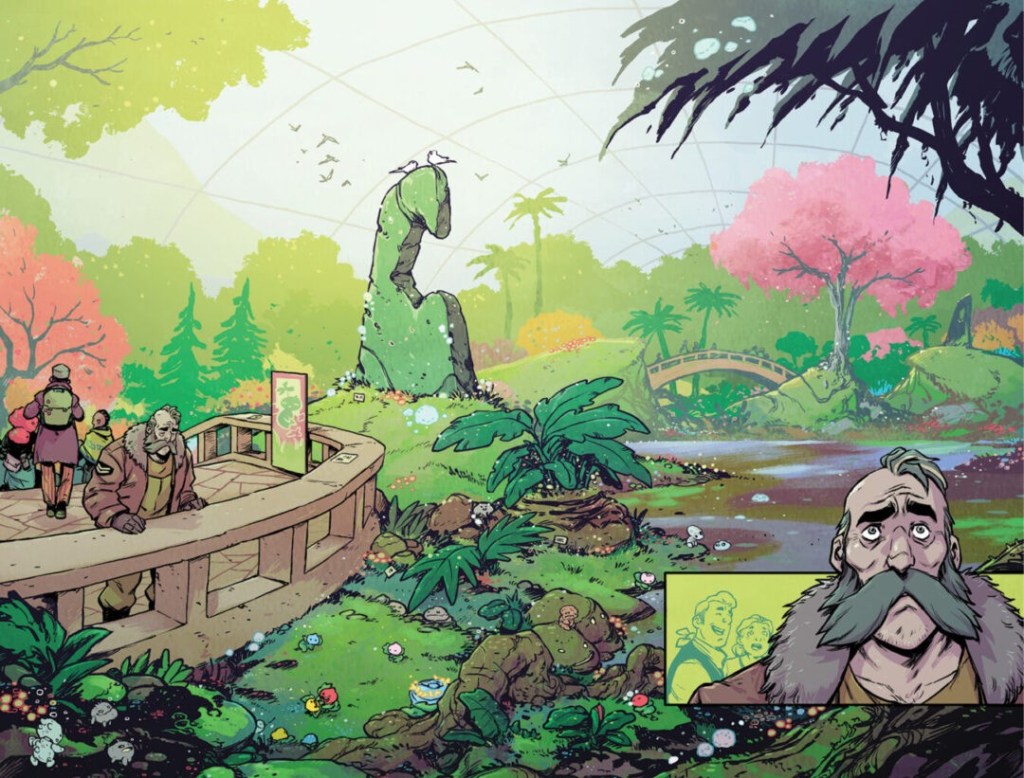
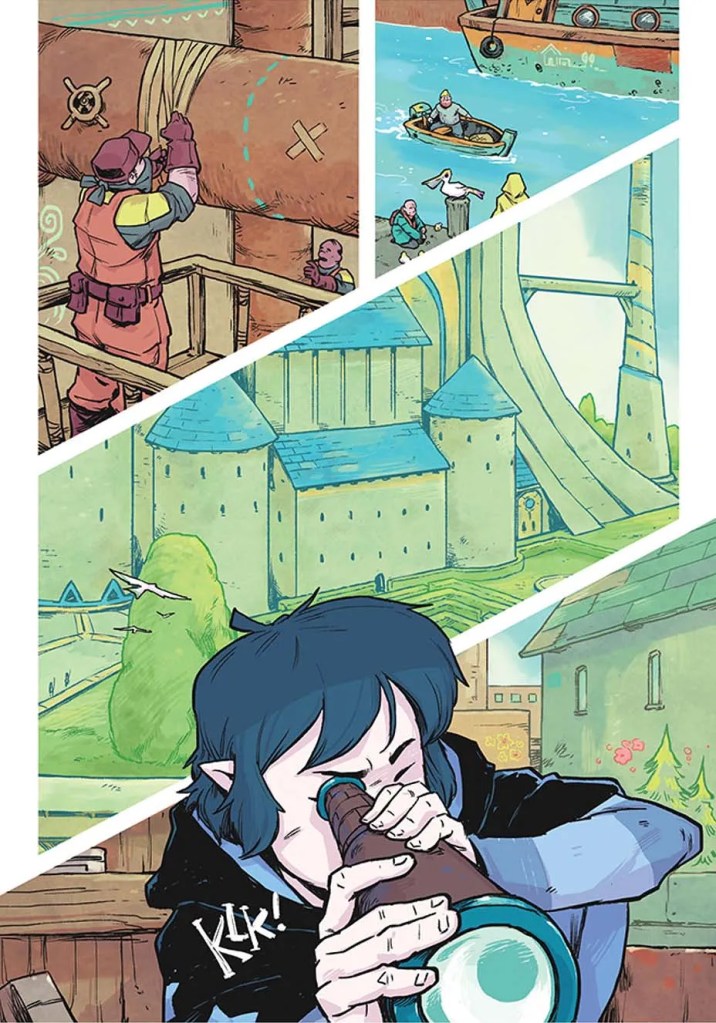
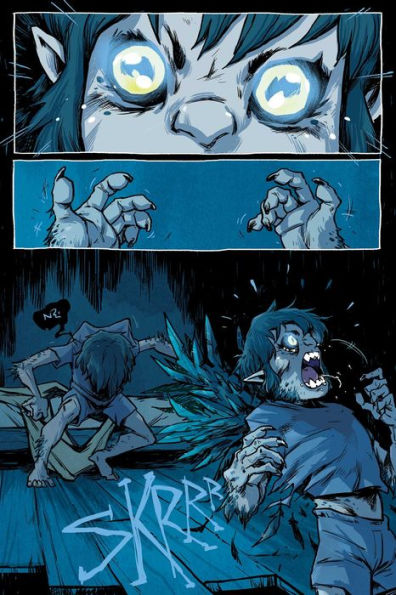
Michael Dialynas’s art is another highlight. Panels are simple and easy to parse, emotions are clear without feeling cartoony, and action sequences are choreographed smartly. It’s just a smooth reading experience. However, I think Dialynas deserves particular praise in two areas: their character design is delightful. Perhaps a tad on the nose when telegraphing who the heroes and villains are, but I can’t think of a single design that I disliked. More significantly though, the color palette choices are very well thought out. Dialynas does a good job of keeping different portions of the world (or even sections of the city) within the same levels of saturation and vibrancy. The industrial Pipetown and its inhabitants are muted and dull. The Faeriefolk and the forests are a neon dream of greens and pinks, and the Vampires are intense and bold in reds and blacks. In a series that dwells thematically on the harms of tribalism and fragmenting society along cultural lines, these palette choices allow for a visual othering to represent how characters are perceived within environments not their own. And while villains are about as pure evil as you can get, Tynion provides friends, allies, and enemies alike for Wynd from every culture throughout the series. I have nothing but good to say about Dialynas’s art, and hope to read more that he’s illustrated in the future.
What Didn’t Work for Me:
As much as I love how this book takes an old-school Epic Fantasy storyline and translates it into something modern and fresh, I found myself feeling like Tynion constrained himself to what he thought kids could handle. The story is a bit too ‘friendship is magic’ and ‘the villain dies by falling from a great height’ that I see in Disney movies. These tropes aren’t bad or wrong, but this story has hints of something a bit more thematically intense. Ironically, books for children used to push more: I fondly remember how the ending to Animorphs featured the five main characters variously being tried for war crimes, dying by suicide mission, living as a movie star with intense depression, permanantly transformed into a hawk, with one well-adjusted woman to round out the bunch. I think Wynd has enough foundation to have more nuanced and intentional conversations with kids about xenophobia, the corrupting influence of power, and the challenges of doing the right thing. Certainly Tynion’s backlog of books shows that he can put together work with more teeth to them. Ultimately however, Wynd feels a bit safe compared to some of my favorite middle grade fantasy. Most kids really enjoy it, but I don’t think it’s ever become a favorite of any individual student.
Conclusion: a delightful and trope-filled epic fantasy with a young gay lead. Avoid if you want something chunky or thematic.
 Marked for Plot