Overall, I think 2025 was a great year for me as a reader. I really focused on reading more queer stories, which brought a lot of joy to me and exposed me to some new favorites I wouldn’t have discovered otherwise. I started really exploring what reading graphic novels as an adult might look like. I started this blog, which has also ended up bringing me a fair amount of joy. But what do the numbers say?
Stats and Figures
This year I read a total of 135 books (with about a week to go), compared to 143 from last year. I’m not surprised that the numbers are lower. There were a few slumps where I needed to work on my own health, and buying a house predictably sent a train through my reading habits for a solid month. I’m actually surprised there isn’t a bigger difference between the years, to be honest. Yet there are still so many good books to read.
Genre wise, Fantasy dominated more in 2025 than it has for a while. It’s always been my favorite genre, but 73% is significantly more than I’ve seen in the past. Science Fiction and Romance were (again unsurprisingly) the next most popular genres at 13% and 11% respectively. I thought I’d been reading a lot more horror this year than ever before, but the numbers don’t really support that.
I’m buying around 60% of my books books, which is a number I’d love to see go down. Unfortunately, my local library doesn’t carry much beyond the most popular fantasy titles, and the queer content they do have tends to be overwhelmingly romance-focused (also not a problem, but frustrating when trying to find a broad range of things to read). When I think about my favorites of the year, a ton of them wouldn’t be available to me if I weren’t shelling out my own money.
Finally, this year was a lot less diverse when it comes to author demographics than I’ve typically read. 52% of my reads were by male authors, but I’m not mad at that number considering I was trying to prioritize books written by and about queer men. However, 67% of my books were written by white authors, which is a pretty drastic jump from last year’s 49%. It’s something I’d like to tackle next year, especially exploring what’s out there with gay/bi men that are from more diverse voices. A lot of the gay male protagonists I read this year were written by white people. While it’s nice to see myself in books, it means I’m missing a pretty broad range of perspectives.
Top Reads of the Year
I’d like to start by giving an honorable mention to the short story The Depths of Friendship by Candy Tam (which I read in the short story anthology Dude’s Rock: A Celebration of Queer Masculinity in Speculative Fiction). This was a bisexual awakening/friends to lovers romance initiated through a guy experimenting with a magic vibrator and not knowing how to turn it off. The story was cheeky, fun, and heartwarming. I think about it moderately often, and it always makes me chuckle.
10. The Chromatic Fantasy by H.A.
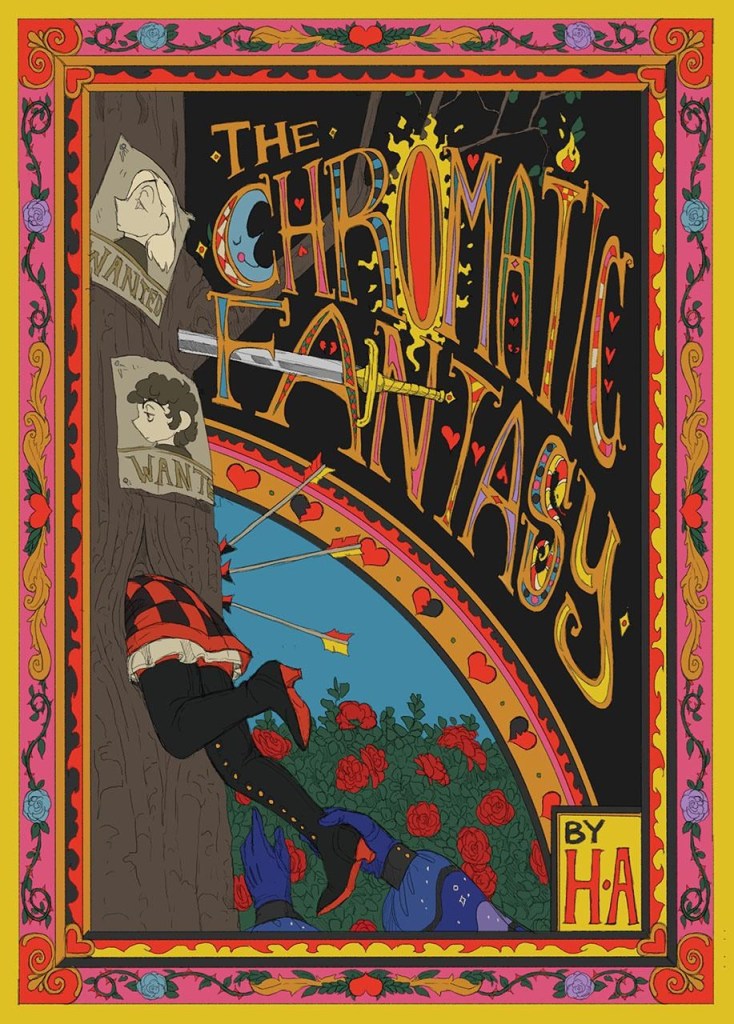
This graphic novel was rambunctiously and unabashedly queer. The plot was Robin Hood if he’d started life as a cloistered nun who made a deal with the devil to be free and live as a man, then fell in love with another trans man who had Be Gay Do Crime energy. The art is what sold me however. This story was a riot of color, and every page felt like a stained glass window. Really something special here, and I’m thrilled there’s going to be a sequel.
9. The Effaced by Tobias Begley
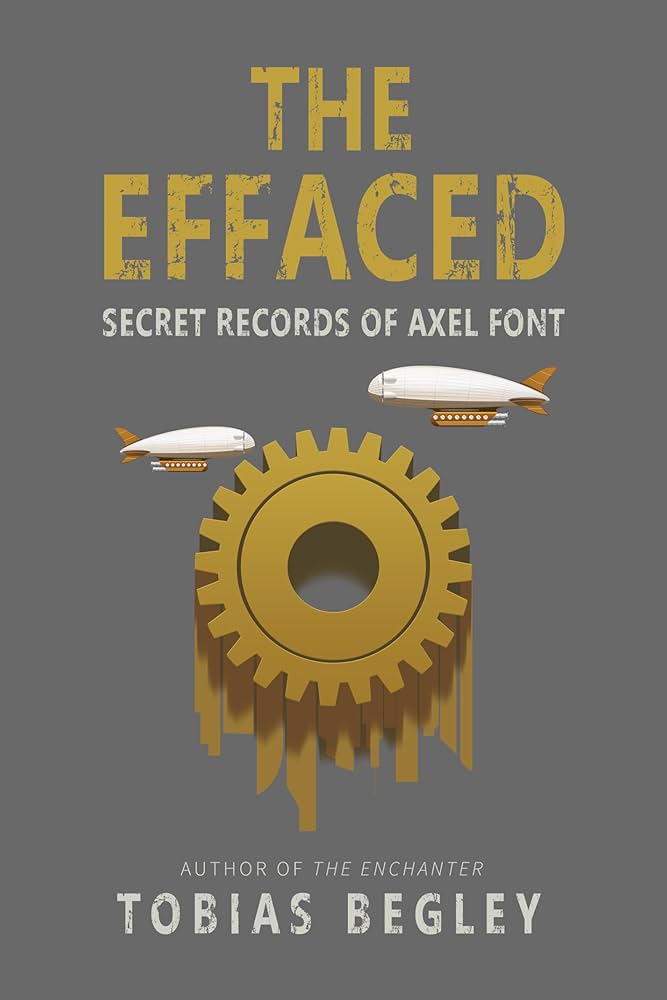
This book has 16 ratings on goodreads. 16! It is too damn good of a book for that. Did you like the TV show Arcane? Does a magitech steampunk action-thriller appeal to you? Do you want to see a middle-aged bisexual man whose character arcs aren’t driven by romance? This is the book for you! Such a good story, even if the sequel didn’t quite live up to my hype. That said, if you dislike hard magic systems, stay far far away from this duology.
8. Sign of the Dragon by Mary Soon Lee
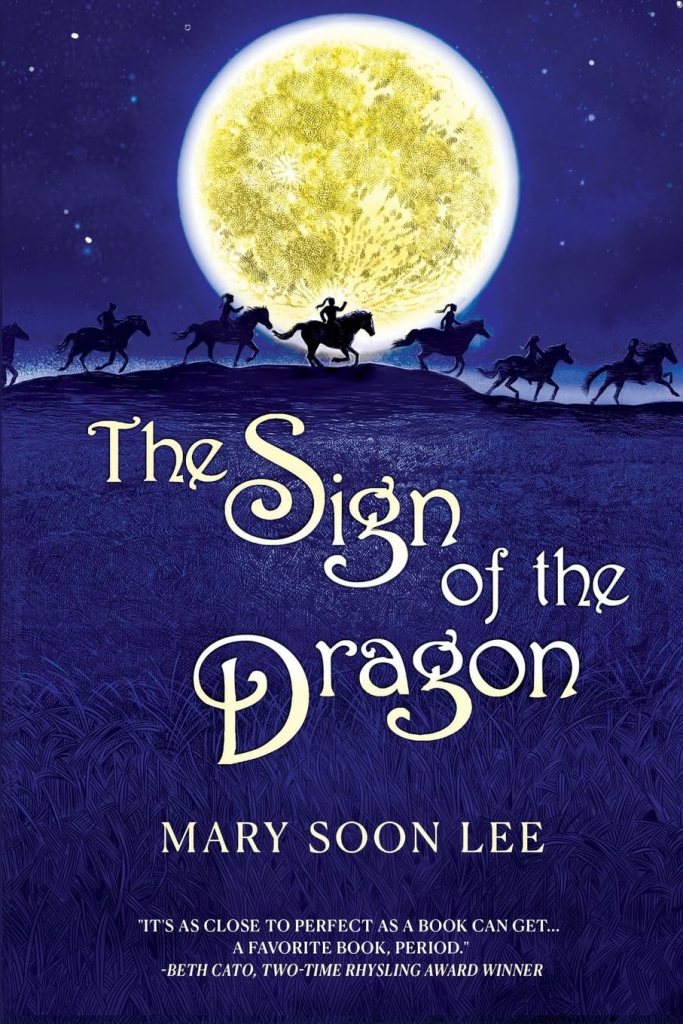
This book in verse feels like a lovechild between The Illiad and The Goblin Emperor in a setting inspired by ancient China. It’s got a very idealistic protagonist who will melt your heart to butter. The real star of the show was how Lee wove in the narratives of side characters to enhance the emotional depth of the book. I wasn’t sold on the first 100 pages or so, but I’m so glad I stuck with it. This isn’t quite like anything I’ve ever read, and it’s already getting passed to my friends.
7. The City that Could Eat the World by John Bierce
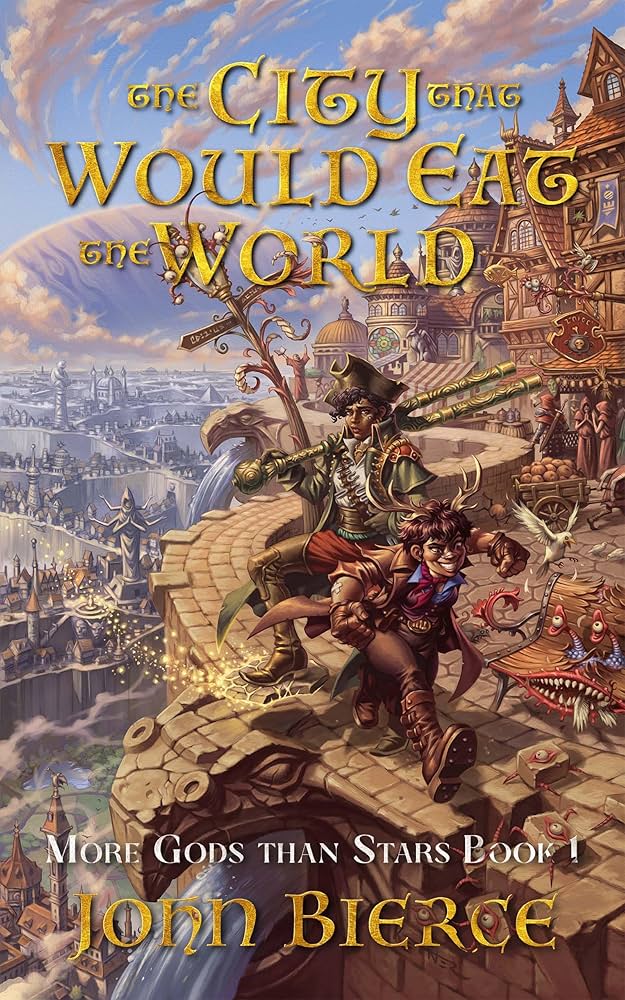
This book had all the action and adventure I could hope for. It’s a little more ambitious than a popcorn book, but not by too much. It’s got mimic exterminators, more gods than you could shake a skunk at, and a god of adventure that also provides transition magic Expect oodles of delightful worldbuilding in a megacity, a blunt critique of both Capitalism and Imperialism, and some really great fight scenes.
6. But Not Too Bold by Hache Pueyo
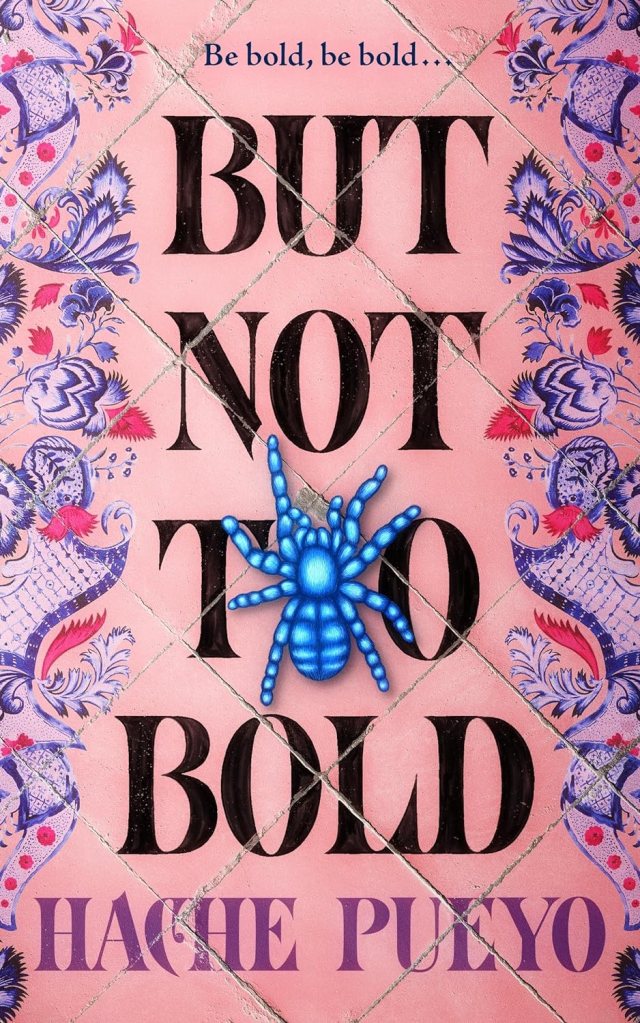
A gothic monster romance that arachnophobes should steer clear of, this was a quick and gripping novella that taught me gothic books can have quick pacing. The extremely possessive spider-woman-eldritch monster took an interest in her new Keeper of the Keys. I liked how the story didn’t focus on finding the humanity in the monster, which is fairly common in monster romances. The ending was a bit disappointing, but the serial-killer spider and roll-with-the-punches staff more than made up for it.
5. Several People are Typing by Calvin Kasulke
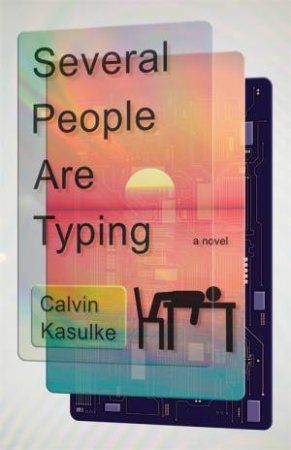
Told entirely in the Slack Chats of a PR company, this was probably my biggest surprise of the year. When a moderately incompetent worker ends up trapped in said Slack chat, he struggles to convince coworkers that there’s a problem. The book slowly descends into more and more bizarre scenarios, but Kasulke kept the humor rolling for the whole book. It made great use of its format to drive character arcs & plot, had a minor (but satisfying) gay romance, and just generally was impossible to put down.
4. Watchmen by Alan Moore and Dave Gibbon
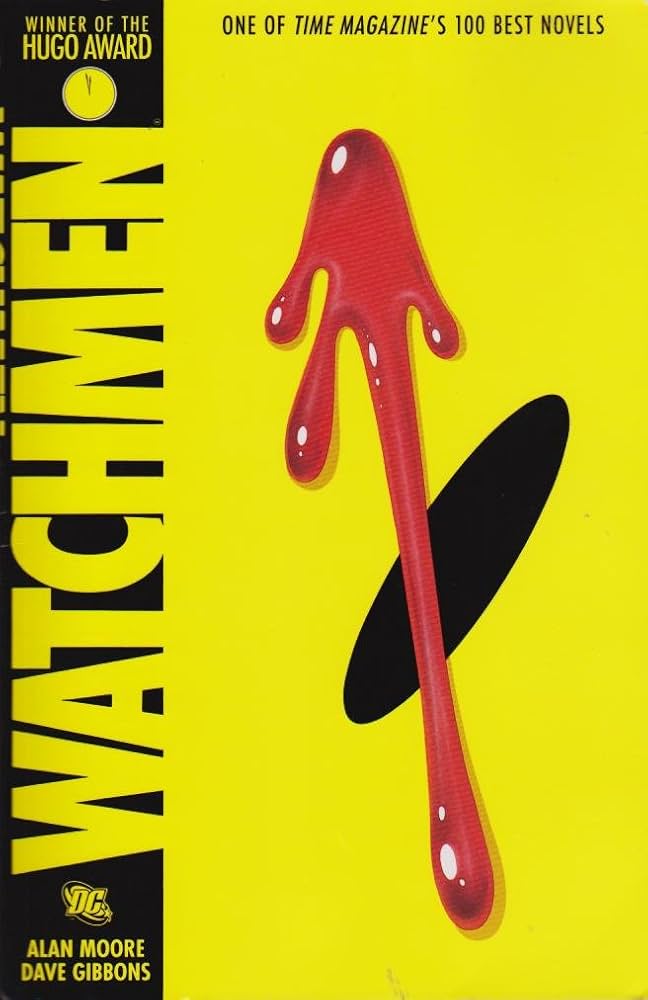
The oldest book to make it in my top 10, Watchmen was a dark and disturbing deconstruction of the Golden Era of superheroes. Moore’s core premise is that normal people who put on spandex to fight crime probably aren’t very well adjusted. Lots of ambition, including leveraging a variety of epistolary documents in the run. I think the real star of the show was how Gibbons leveraged art as a driver of plot and theme just as much as words. It’s quite a fucked up read, but it has layers of nuance and theme that really impressed me.
3. Split Tooth by Tanya Tagaq
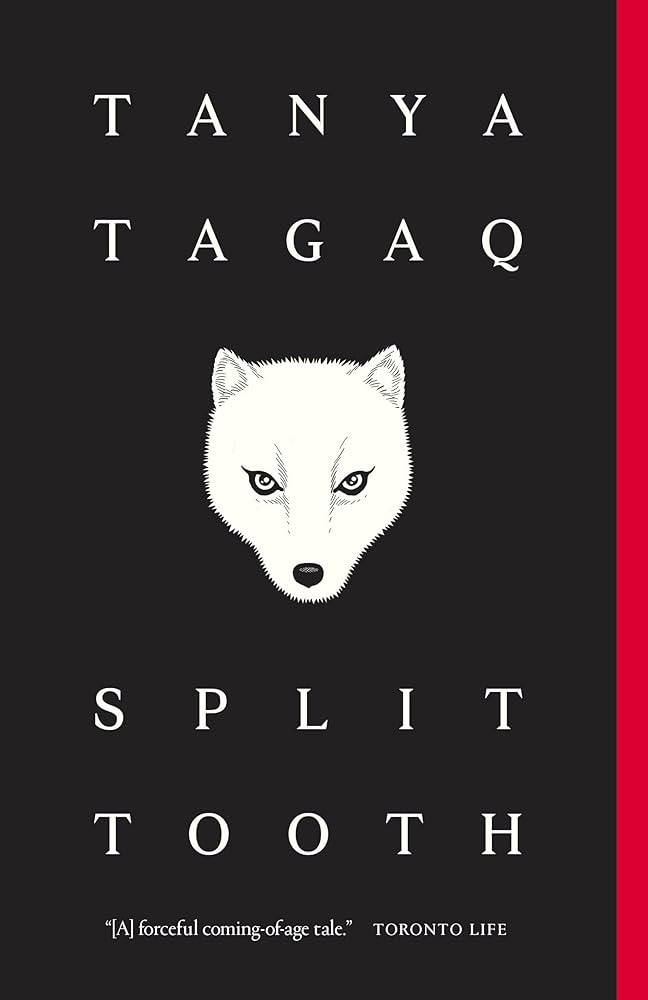
This Magical Realism story follows a girl in Nunavut through her childhood and adolescence. It defies traditional story arcs, and instead Tagaq prioritizes family and school life, pregnancy (and later motherhood), an examination of empathy unlike anything I’ve seen, and bridging spiritual and physical worlds. The writing slipped between the brutal realities of the main character’s daily experience and a slice of life depiction of a small indigenous town. Its a book that’s tough for me to categorize, but touched me really deeply.
2. Red Dot by Mike Karpa
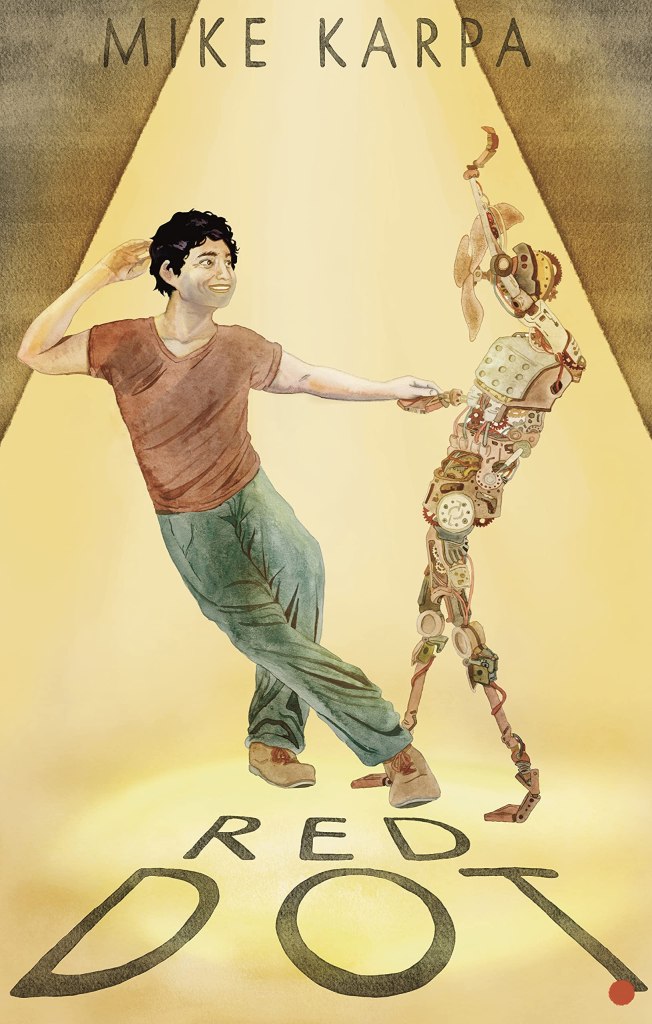
Mardy is an artist in a post-climate change future. His severe imposter syndrome anchors the story as he tries to refine his art and falls in love. Karpa showed a real mastery of understanding when to draw a scene out and when to brush past something with barely a mentionKarpa’s writing of the gay identity was just phenomenal, and it was a nice break from all the ill-informed sex scenes I read from female authors writing gay love. 5 years old, and the number of people who have read it could probably fit into a single room.
1. How to Survive this Fairytale by S.M. Harrow
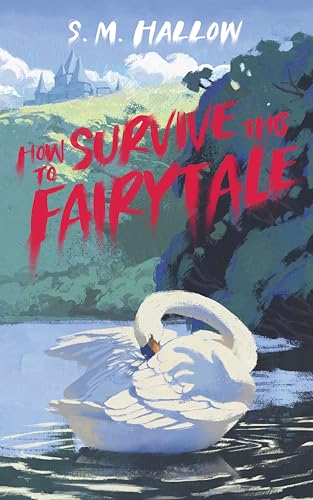
Prepare to cry and cry and cry. If you like how Robin Hobb puts her characters through hell, but wanted something a bit faster paced, this book is for you! It follows Hansel post-gingerbread house. He’s got lots of trauma, and struggles to accept he deserves happiness.Harrow does some experimental stuff with story structure but clings to a prose style that is sparse and beautiful. Not a word is wasted, and Harrow’s generous use of tonal shifts keeps you from ever really feeling like Hans is safe from a terrible fate.
Interestingly, half of these books had less than 1,000 ratings on Goodreads, and two of them had less than 30, a pair which included Red Dot, which had a real shot at claiming the top spot of the year. I’ve found that a lot of super-unknown books tend to be fine but not great (there’s a bunch more books with 5 ratings than breakout hits after all), but there are choices I see indie authors making that just aren’t happening in traditional publishing right now. I think I need to get better at DNFing the less enjoyable ones to make room for those which grab my heart and refuse to let go.
Biggest Disappointments:
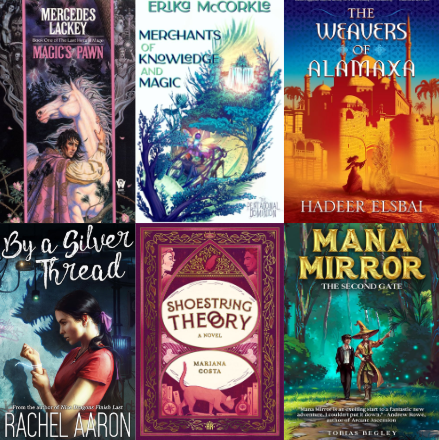
I didn’t bother to rank these, but there were a few books that I was excited for which let me down immensely. Either I didn’t finish them, I wish I didn’t finish them, or they just weren’t the magic I was hoping for.
Magic’s Pawn is often listed as formative gay fantasy for so many in my generation, but I just couldn’t get past the train-wreck of a romance. Reviews sometimes compare it to an emo gay boy crying his mascara out over a magic horse. They’re absolutely correct and I’m not interested in it one bit.
Merchants of Knowledge and Magic had so much potential as a creative & queer epic fantasy unlike anything I’d seen (the protagonist is half giant space dragonfly and half mind elemental). I respect the author for taking big swings, but it just didn’t work for me.
The Weavers of Alamaxa and Mana Mirror: The Second Gate were both disappointing sequels that didn’t hold onto what made the originals special. A really interesting examination of class in women’s rights movements turned into a spoof of Avatar the Last Airbender, and Magic Mirror’s slice of life delight got marred by letting audience participation drive the story.
I read a lot of mediocre romances, but By a Silver Thread took the cake. It was a SPFBO finalist, and I just couldn’t get over the self-insert character and poorly foreshadowed twists. Meanwhile, Shoestring Theory has the honor of being the book I pulled my partner off video games to rant about. A really engaging writing style marred by a twist that robbed the story of its only interesting plot point and also made no fucking sense.
What’s on the horizon for me?
Honestly, probably a name change for the blog and slight rebrand. More details to come, but I’d like to make this site a bit easier to find, and also for it not to share names with other blogs. 100% my own fault for not doing my due diligence before starting this project on impulse 10 months ago. CosmicOccurence has been a screen name for me since I realized the Perseid Meteor Shower happens every year on my birthday, and I’ve enjoyed other blogs that use [Name] Reads as their title. Lesson learned.
I’m also seriously considering spending a lot more time with comics and graphic novels in 2026. I was a big manga reader growing up, but hadn’t spent much time with Western comics until I started using them as teaching tools. Now that I have two full blown comics courses that I teach (one focusing on Queer Theory in Comics), I’ve been appreciating them a lot more. November and December saw a big uptick in this for me, and I’m curious if it’ll continue for the long haul.
Otherwise, I hope things continue much the same. This is a pretty small corner of the internet, and I’m not particularly interested in putting effort into growing into a large-scale content creator. I don’t have the time, energy, talent, grit, and luck to make that happen. However, maintaining this has brought me joy, and that’s a worthwhile endeavor in and of itself.
Happy Holidays, and I’ll see you in 2026 (other than the few book reviews that will inevitably happen).
 Marked for Plot
I for one am extremely glad you started a blog, because it’s been a delight to follow you 😀
I think a drop of 143 to 135 is NOTHING with how packed your year was, for the record.
Taking CLOSE notes on your faves of the year that I haven’t already read… I just finally got to read How to Survive This Fairytale and agree with every word you said about it!
Re indie authors – I started tracking my indie vs trad reads this year for the first time and am looking forward to deliberately trying to read more indie in 2026. There really is a lot more originality among indie, ESPECIALLY queer indie!
Excited to see what your name change and rebrand will look like, and wishing you much success with both!
LikeLike
Thank you so much!
I think the graphic novels and comics are boosting my reading numbers a bit. They’re just so much quicker to read generally, especially the more lighthearted ones that don’t have much density in the artwork.
Glad you enjoyed! Hallow’s got a new novel out next year, which I didn’t realize until you mentioned The Halls of the Dead on your blog
LikeLike