
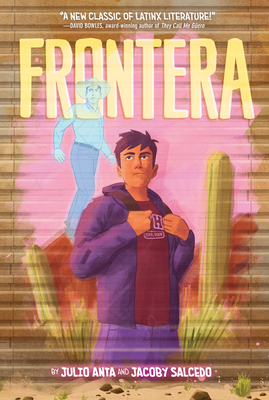
This is a book that’s been in my classroom library for a while. It hasn’t been super popular unfortunately, likely because it looks a little to realistic for kids who are browsing in the fantasy section of my library. When a kid had rave reviews for it, however, it was easy to give it a try. Frontera is a quick and emotional read. Immigration is a topic that affects pretty much any country in the world, but Frontera’s relevance is strongest to those living in Mexico and the US. At a brisk 240 pages, it won’t take too much of your time either!
Read if Looking For: immigrant narratives, heartfelt characters, badass cats, angsty teens that feel realistic
Avoid if Looking For: tightly plotted stories, lots of speculative elements, romance storylines
Elevator Pitch:
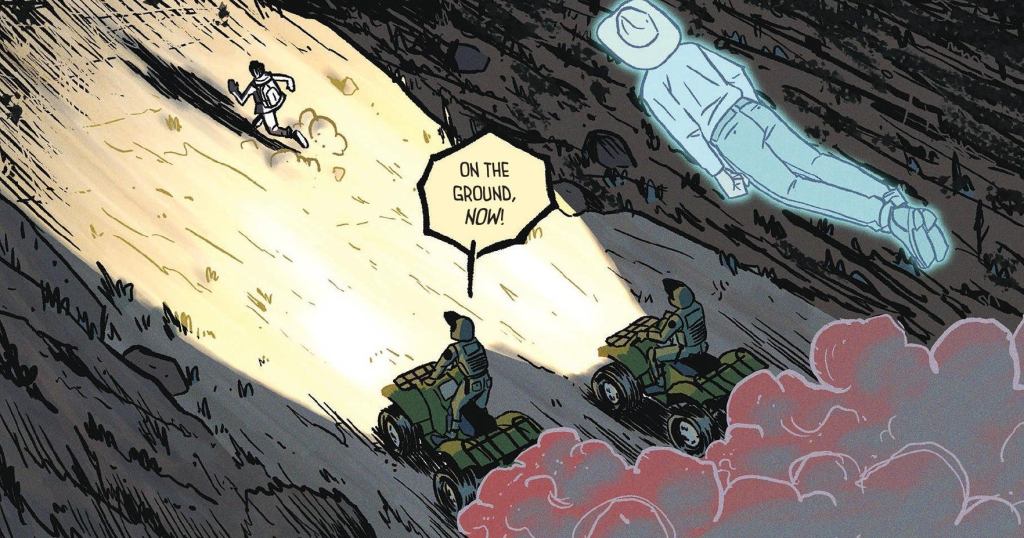
Mateo lived in America his whole life before being deported his Junior Year in high school. He and his parents make the choice to have him make the crossing back into the US to live with his grandmother. On the perilous journey, he encounters Guillermo, a ghost of a man who died during the same crossing many decades ago. Guillermo now helps others cross the border as he refuses to come to terms with his own history. However, perhaps the two can help each other more than either is willing to admit.
What Worked for Me
Frontera does a great job at presenting serious issues (ones which are rarely treated with empathy even from people who are supportive of reforms to help people make choices for themselves and their families) in a digestible format. Frontera never descends into preaching at the reader. Instead, it presents a lovable teen experiencing very real and tangible things, responding to them naturally. It places the emotional work on the reader and, while it clearly has a point of view, it guides you to that view naturally. I could see myself using this story as part of a collaborative immigration unit if I ever teach 7th grade English again (which lines up with American history classes in my school). I also learned a bit about Braceros from this book – Mexican farm workers who came to work the fields while US citizens were abroad in WWII, and whom were promptly deported once the war ended.
Of our two protagonists, I liked the ghost Guillermo more, though both were wonderful. His reflections on his history and passing, and his struggles seeing so many others meet his own fate, got me very emotional. Also, I’m a sucker for a man in a cowboy hat. The relationship between Mateo and Guillermo is often fraught. While this annoyed me sometimes in the moment (how many times does Mateo need proof he can’t do this alone before he accepts help!) before remembering that anger and frustration are very natural reactions to scary and stressful situations. I’d likely have reacted similarly. Expect lots of warm moments between Mateo and a wide variety of characters in this story, shining through the dark content like sunlight.
What Didn’t Work For Me:
In my mind, the weakest part of this book was the plot. The story itself was fine: mostly predictable, but that isn’t a bad thing. However, it had a habit of introducing and resolving serious problems very quickly, sometimes so casually or irrationally that it pulled me out of the story. It’s the sort of book that you read for the characters, and because it taps into something important that most people who aren’t immigrants don’t spend time thinking about. However, I wish it had narrowed the number of elements it wanted to include while maintain the same page count, allowing you to dwell on each element more deeply.
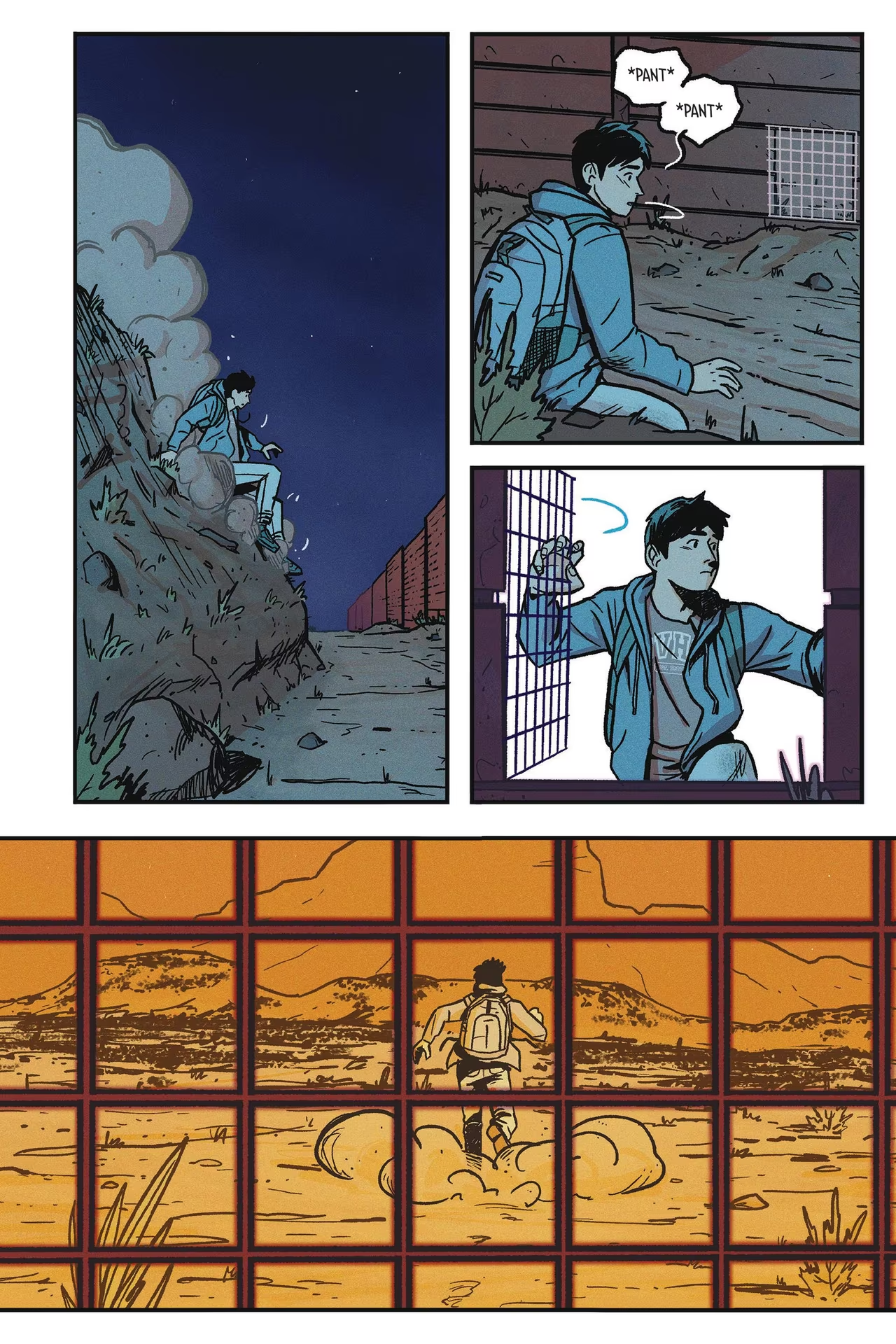
I did find the art a little bit on the flat side. It was never bad, but I didn’t find myself basking in the vast landscapes or feeling the thrill of an escape. It was at its strongest when illustrator Salcedo took risks on panel layout, but I wish they came more often.
Conclusion: an emotional read, but fairly predictable and too quickly paced for what it was trying to accomplish. A great read to digest in a single afternoon.
- Characters: 4
- Setting: 4
- Craft: 2
- Themes: 4
- Enjoyment: 4
 Marked for Plot