
I was a little hesitant when I heard Fonda Lee announced she was writing a book with Bruce Lee’s daughter. In part, I’ve put Jade City on a bit of a pedestal, which is always a dangerous proposition. However, I tend to be leery when children pick up the work of their parents (Lord of the Rings, Dune, etc), and this book was advertised as an homage of Bruce, as is most (but not all) of Shannon’s books. I’ll admit this isn’t necessarily rooted in anything particularly logical, and some people do it better than others.
Early reviews were that it was a fun, mindless, YA martial arts story that was a pleasant read. Thus, I picked it up on vacation and shelved it for when I needed something to read without putting too much energy into a book. Cue the week I go on 4 field trips in 6 schooldays, supervise 80 kids making pancakes, and generally don’t get any breaks to do the administrative parts of the teaching job that never end. This book met my expectations, meaning I don’t regret reading it, and probably won’t grab the sequel when it comes out.
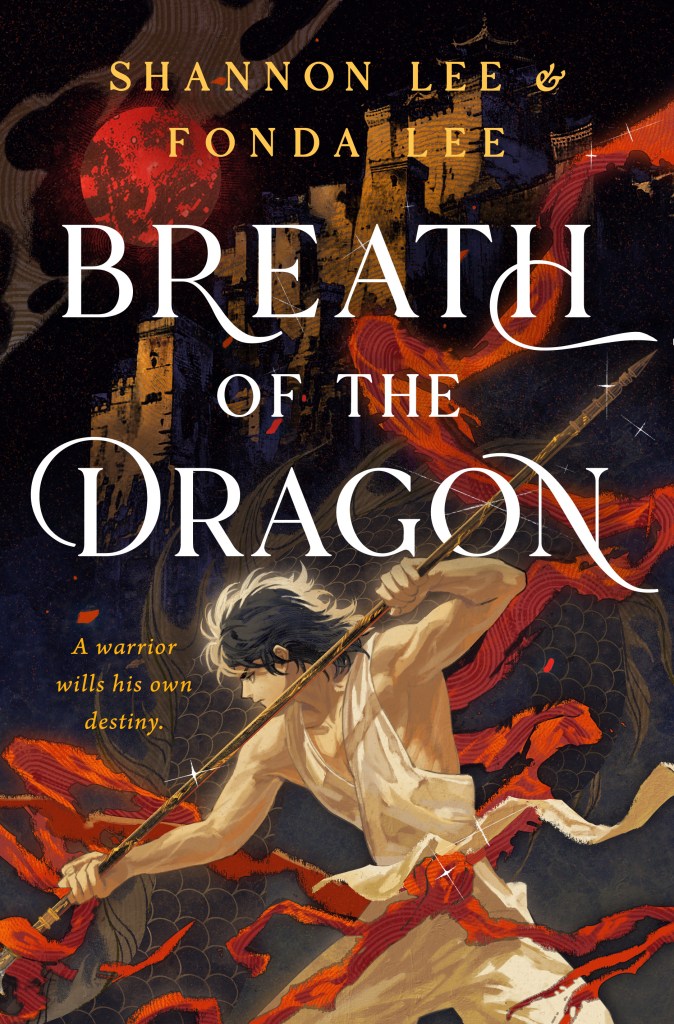
Read if Looking For: Fight scenes, tournament arcs, over the top villains, tropes on tropes on tropes
Avoid if Looking For: depth in any aspect of the story
Elevator Pitch:
A once great country was cut in half by civil war. The East prohibits an martial training except by those blessed by the Dragon with magic powers, killing those who do any training in secret. The West celebrates martial prowess to the point where a bloodthirsty general is a breath from taking power and toppling the world into war. Jun grew up in the East, but he and his father were exiled when their martial training was discovered. Now 16, he seeks to enter the tournament to be the new Guardian, tasked with keeping the great Scroll of Earth safe and enshrining his name in history as one of the greatest warriors of all time. He’s got no magic powers, no rich patron, and a dad who wants to live without violence.
What Worked For Me
I did really enjoy how this book was upfront about how unserious it was. While not comedic, it indulges in tropes with a level of awareness I don’t feel like I see much any more. The villains are over the top evil. The enigmatic blind teacher spouts wisdom like a fountain (and has a very pretty adoptive daughter). Ever single page slaps you in the face that this is a fun martial arts story. It knows what type of book it wants to be and mostly executes that vision.
Unsurprisingly, there’s lots of fight scenes, mostly unarmed but with a few weapon bouts thrown in. They’re good, with a strong focus on martial arts in a cinematic fashion. Each fight teachers Jun something new, and helps him grow to surpass his frenemy rival and the villainous General’s chosen fighter Leopard (a bloodthirsty pit fighter who mostly just wants to kill as many people as possible in the tournament). This was the core premise of the book, and it was executed well.
What Didn’t Work For Me:
I can only go so far with a fun story that doesn’t have any depth, and the final quarter of the book was a real slog for me. I had assumed this was a standalone book with a tournament arc at its center, but it became clear the story was setting up for a trilogy, and that doesn’t appeal to me at all for this type of book. If you want me to commit to several books, I need more to dig my teeth into. YA doesn’t mean mindless, and the strengths of this book weren’t strong enough to anchor a whole series when everything is transparent as glass and shallow as a puddle. Fonda Lee is a great writer. She’s proficient at mindlessly fun writing, but she can’t make it addictive like Dinnaman or Scalzi. It’s tough to know how much of this book is Fonda vs Shannon, but this story doesn’t play to Fonda’s strengths as a writer at all.
The big reason the final section of the book was challenging though, was that it should have been the introduction to book 2. When you structure a book around a tournament, it should be the climax of the story. The falling action should set up the overarching conflict for the trilogy and place the protagonist in a position to tackle bigger or wider challenges in book 2. Instead, the ending kept dragging on, trying to shove one climax after another at the reader. Extended escape and fight scenes, reconciliation with various characters, new plot twists that weren’t important enough to warrant a place after the epic fight scene between Jun and Leopard. Nothing in that ending section was bad, but my mind kept screaming ‘why hasn’t this book ended yet’, which isn’t what you want in a book that’s a fun page turner.
In Conclusion: A fun, but shallow book with some odd editing choices. It needed to be a sequel, or have some more bite to the deeper ideas.
- Characters: 3
- Worldbuilding: 3
- Craft: 4 (fights), 2 (everything else)
- Themes: 2
- Enjoyment: 3
 Marked for Plot